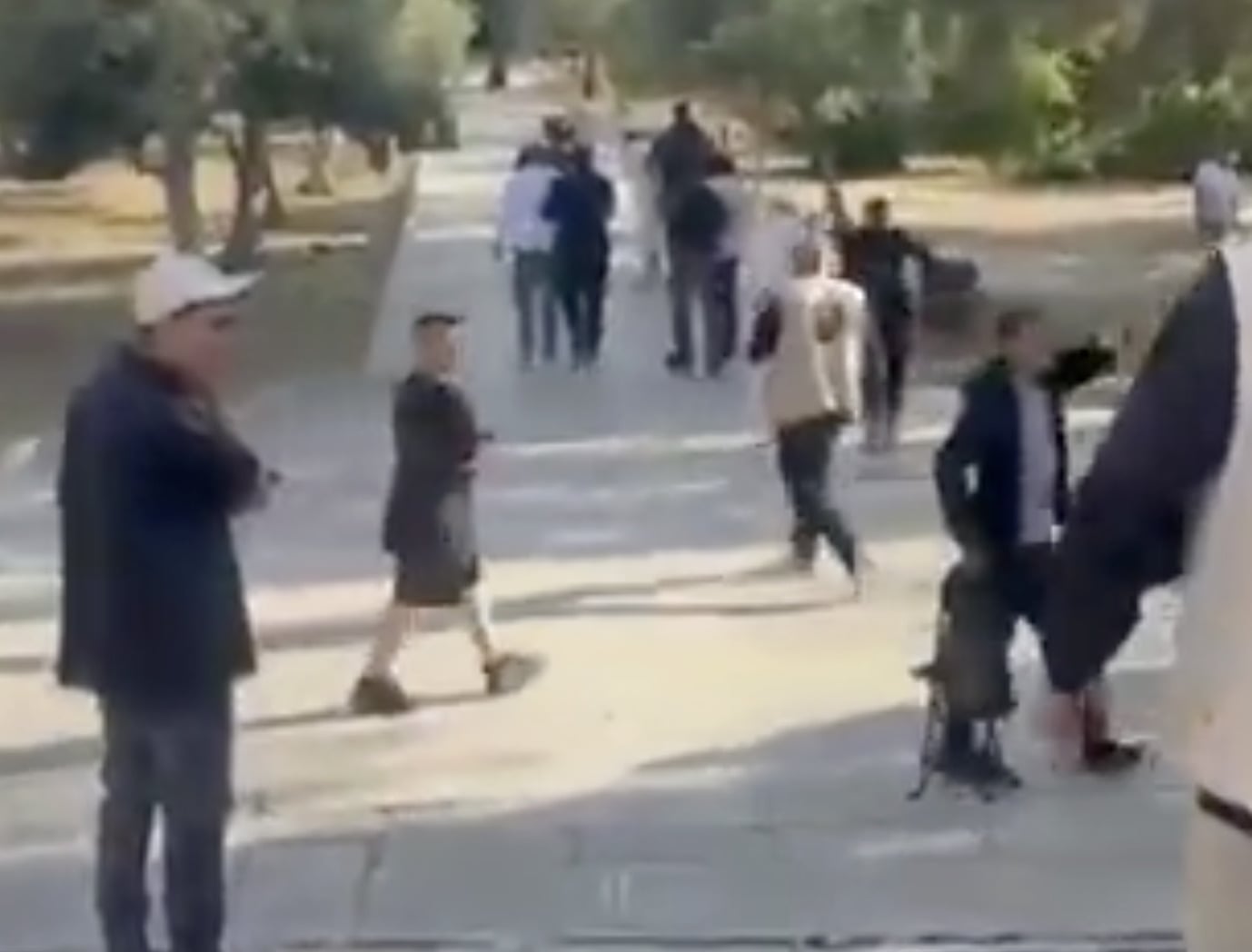
In a series of security incidents aimed at the Temple Mount in Jerusalem, law enforcement officials have arrested 13 individuals on suspicion of attempting to perform an animal sacrifice to mark the Jewish holiday of Shavuot. The arrests highlight ongoing tensions regarding religious practices at one of the world’s most contested holy sites, where strict regulations govern prayer and ritual activities.
The Temple Mount, known in Islam as the Haram al-Sharif, remains a focal point for religious activity in the Old City of Jerusalem. For decades, the status quo at the site has prohibited public prayer and ritual sacrifices by non-Muslim groups, a policy enforced by the Israel Police to prevent civil unrest and maintain public safety. According to the Israel Police, maintaining order at the site is a primary operational objective, particularly during major religious observances when foot traffic and public interest increase significantly.
Security Protocols and Religious Observance
The attempt to conduct a sacrifice on Shavuot is not an isolated event. Earlier this year, police intervened to stop similar efforts by fringe activist groups seeking to re-establish ancient ritual practices at the site. These groups often contend that the Temple Mount, as the historical location of the First and Second Temples, is the appropriate place for such observances. However, the Israeli government maintains that the status quo is essential for regional stability and religious freedom for all faiths.

During the recent arrest operation, authorities noted that some of the detained individuals were in possession of loaves of bread, which they reportedly intended to use as an alternative offering for the harvest holiday. Despite the change in materials, the police action was swift, citing the potential for these activities to provoke significant public disorder. The Israel Police confirmed the detention of the 13 suspects, emphasizing that any attempt to deviate from the established rules of conduct at the site will be met with immediate legal intervention.
The Legal and Geopolitical Context
The complexity of managing the Temple Mount involves various stakeholders, including the Jerusalem Islamic Waqf, which administers the site, and the Israeli security establishment. Under current regulations, Jewish visitors are permitted to enter the site as tourists during specific hours, but they are strictly forbidden from performing any form of religious worship or ritual. Violations of these protocols are treated as public order offenses, and those involved are typically subject to questioning and potential charges of disturbing the peace.
From a geopolitical perspective, the site is a flashpoint that can rapidly influence broader regional dynamics. Diplomatic efforts by international observers and regional neighbors frequently emphasize the necessity of preserving the current administrative arrangement to avoid escalation. The United Nations has long maintained that the status quo should be respected, noting that the site’s sanctity is vital to the identity of multiple faith communities.
What Happens Next
Following the arrests, the suspects were transferred to police custody for further investigation. The judicial process will determine whether charges of conspiracy to commit a crime or public disturbance will be formally filed in the Jerusalem Magistrate’s Court. The Israeli Ministry of Justice has not yet released a detailed statement regarding the specific indictments, but police officials have indicated that the investigation into the activists’ organizational network is ongoing.

Security forces remain on high alert throughout the remainder of the Shavuot holiday, with additional patrols stationed near the entrances to the Old City. As the situation develops, we will continue to monitor official reports from the police and judicial authorities. We invite our readers to share their perspectives on the importance of maintaining religious status quos in urban centers of historical significance in the comments section below.