Oslo police intercepted a 13-year-old boy riding an electric scooter that reached a top speed of 143 km/h (approximately 89 mph) while officers were responding to a fire in the Norwegian capital. The incident, which occurred during an active emergency response, has drawn attention to the increasing presence of high-performance, modified electric micro-mobility devices in urban environments.
Law enforcement officials reported that the encounter happened while units were dispatched to attend to a fire. During the transit to the scene, officers observed the minor operating the high-speed vehicle. Upon stopping the rider, police were able to measure the scooter’s velocity, confirming it had reached the 143 km/h mark.
How Oslo Police Intercepted the High-Speed Scooter
The interception occurred under circumstances that prioritized emergency response. According to reports from Oslo law enforcement, the officers were in the process of responding to a fire when they noticed the rapid movement of the electric scooter. The speed of the vehicle was significant enough to immediately flag the rider to the patrolling officers.
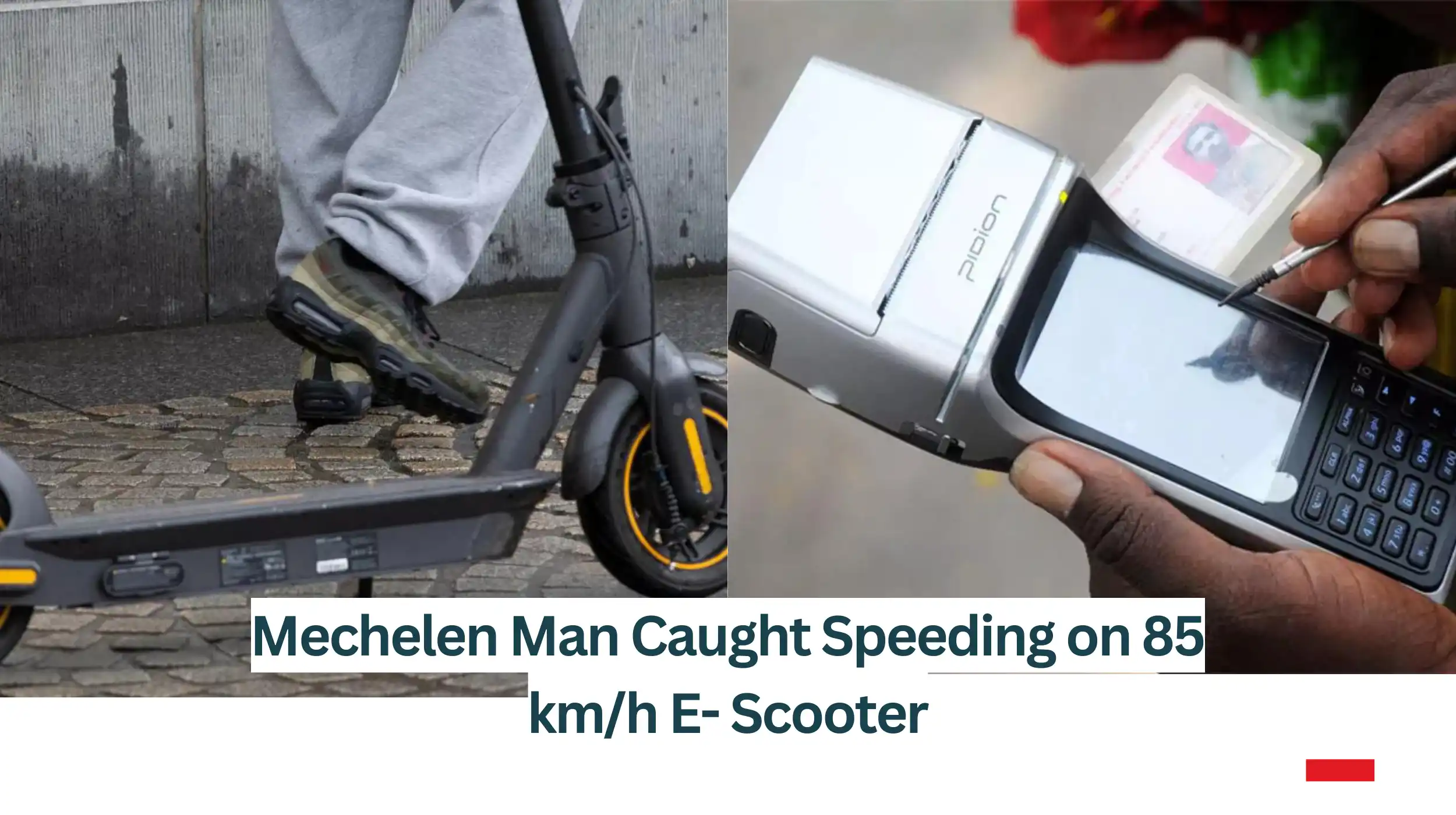
While the specific location within Oslo has not been detailed in official police statements, the incident highlights the difficulty law enforcement faces when encountering non-standard, high-velocity vehicles in residential or high-traffic areas. The scooter used by the 13-year-old was clearly not a standard consumer model, as commercial electric scooters are typically electronically limited to much lower speeds to comply with safety regulations.
Technical Implications of 143 km/h Micro-Mobility
The recorded speed of 143 km/h places this specific electric scooter in a category far beyond standard urban micro-mobility. For context, most electric scooters permitted for use on public roads in Europe are restricted to speeds between 20 km/h and 25 km/h. A speed of 143 km/h is comparable to the velocity of a vehicle traveling on a major highway or motorway.
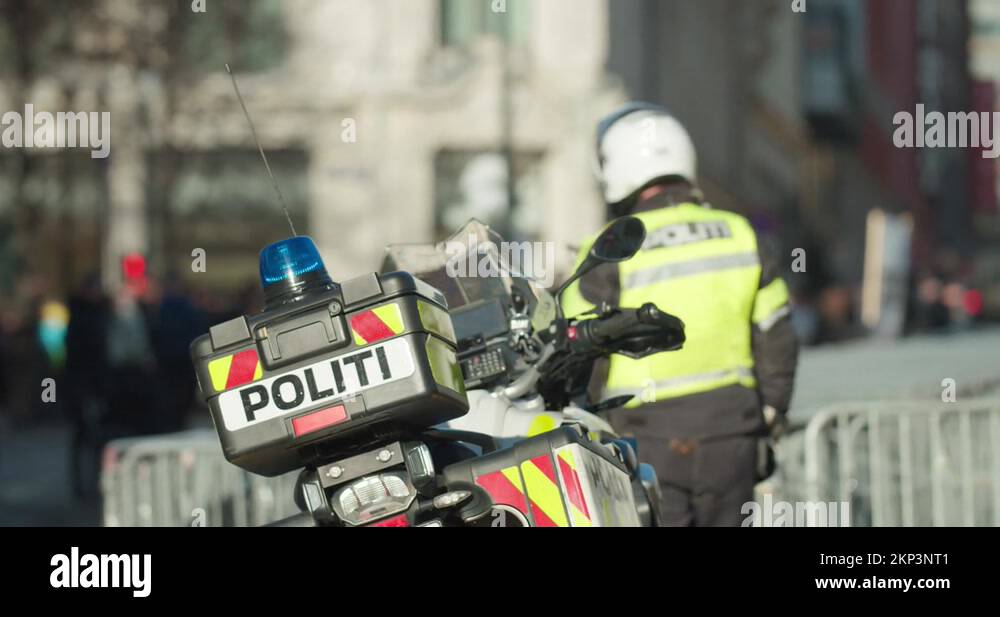
Achieving such speeds requires significant modifications to the motor, battery capacity, and controller of a standard scooter. These high-performance “off-road” or custom-built scooters often bypass the safety limiters required by law. Such modifications present several critical risks:
- Braking Limitations: Standard scooter braking systems are not engineered to dissipate the kinetic energy generated at nearly 90 mph.
- Structural Integrity: The frames and tires of most electric scooters are not designed to withstand the vibrations and stresses of high-speed travel.
- Stability: The small wheel diameter typical of e-scooters makes them highly susceptible to losing control due to minor road imperfections at high velocities.
Norwegian Regulations for Electric Scooters
Norway maintains strict regulations regarding the use of electric scooters to ensure public safety. The Norwegian Public Roads Administration and local police enforce specific rules that govern age, speed, and equipment.
Under current Norwegian traffic laws, there are specific requirements for different classes of electric scooters. Generally, riders must meet minimum age requirements, and vehicles must adhere to maximum speed limits to be considered legal for use on public paths and roads. The use of a vehicle capable of 143 km/h is a direct violation of the safety standards intended for micro-mobility devices in Norwegian municipalities.
Law enforcement agencies in Oslo have previously expressed concerns regarding the rise of “illegal” high-speed scooters, which often circulate through social media marketplaces and are used by minors. These devices frequently lack the necessary certifications required for legal operation on public infrastructure.
Safety and Urban Impact
The incident involving the 13-year-old rider raises broader questions about the regulation of high-speed electric vehicles and the responsibility of guardians. When high-performance devices are operated by minors in densely populated urban areas, the risk to pedestrians, cyclists, and motorists increases exponentially.
Urban planners and safety experts note that city infrastructure is designed for predictable speeds. The sudden appearance of a vehicle traveling at highway speeds in a zone meant for pedestrians or low-speed commuters creates a high-risk environment for all road users. Furthermore, the presence of such vehicles complicates the ability of emergency services, such as the police and fire departments, to perform their duties safely and efficiently.
The Oslo police are expected to continue their investigation into the incident to determine the origin of the modified scooter and the circumstances surrounding its use by a minor.
Please share your thoughts on the regulation of high-speed electric scooters in the comments below. How can cities better manage the rise of high-performance micro-mobility?
Related reading