
For entrepreneurs seeking to enter the market, investing in a franchise offers a structured path that often mitigates the risks associated with building a brand from the ground up. By leveraging an established business model, operational support, and existing brand recognition, franchisees can focus on execution rather than invention. However, the path to ownership varies significantly by sector, with initial investments ranging from modest startup costs to multi-million dollar capital requirements.
The franchising landscape in America continues to evolve, reflecting broader shifts in consumer spending and service demands. For those evaluating their options, understanding the financial commitment—including franchise fees and total initial investment—is the critical first step in business planning. As the global service industry expands, prospective owners should conduct rigorous due diligence, reviewing the Franchise Disclosure Document (FDD) for any brand they consider to ensure the opportunity aligns with their financial capacity and operational goals.
Evaluating Investment Requirements in Food and Beverage
The food and beverage sector remains a cornerstone of the franchising world, characterized by high brand visibility and consistent demand. Major chains such as McDonald’s, KFC, and Domino’s have developed sophisticated systems for expansion, though the cost of entry is substantial. For instance, McDonald’s requires significant liquid capital, with initial investments typically ranging from $1.4 million to $2.64 million per unit, depending on the site and development costs. Prospective franchisees must also be prepared to pay a standard initial franchise fee, which is currently set at $45,000 for a single restaurant.


KFC, another global leader in the quick-service restaurant (QSR) space, follows a similar trajectory. While the brand is recognized for its Southern-style fried chicken, the investment to launch a location is significant, often falling between $1.8 million and $3.7 million. The initial franchise fee for KFC is also $45,000 per unit. These figures underscore the necessity of securing robust financing before pursuing opportunities with established multinational brands.
In contrast, Domino’s offers a different entry point within the pizza industry. With a focus on delivery and carryout efficiency, the company has grown to thousands of locations globally. The investment range for a Domino’s franchise is generally lower than some full-service QSR competitors, starting at approximately $120,000 and extending beyond $700,000, with an average franchise fee of $25,000. This variance highlights how different operational models—ranging from small-footprint delivery hubs to full-scale dining facilities—impact the required capital.
Home Services and the Recurring Revenue Model
Beyond food, the home services sector has gained traction as a resilient franchise category. Companies like Molly Maid, which provides residential cleaning services, offer a model built on recurring revenue. Because these services are often scheduled on a weekly or bi-weekly basis, they can provide a more predictable cash flow than one-off retail transactions. The total investment to open a Molly Maid franchise generally falls between $138,300 and $196,200, with an initial franchise fee of $14,900. Successful franchisees in this space often emphasize the importance of staff management and service quality to maintain client retention.
For those interested in specialized restoration, SERVPRO provides fire and water cleanup services. This sector often experiences high demand due to unforeseen property damage, creating a unique market niche. The initial investment for a SERVPRO franchise is approximately $167,575 to $380,000, which includes the necessary equipment and operational setup. The franchise fee for this model is $60,000. Unlike retail-heavy franchises, this model relies heavily on technical capability and rapid response, making it a distinct choice for entrepreneurs with a background in service or trades.
Fitness and Hospitality: Capital-Intensive Opportunities
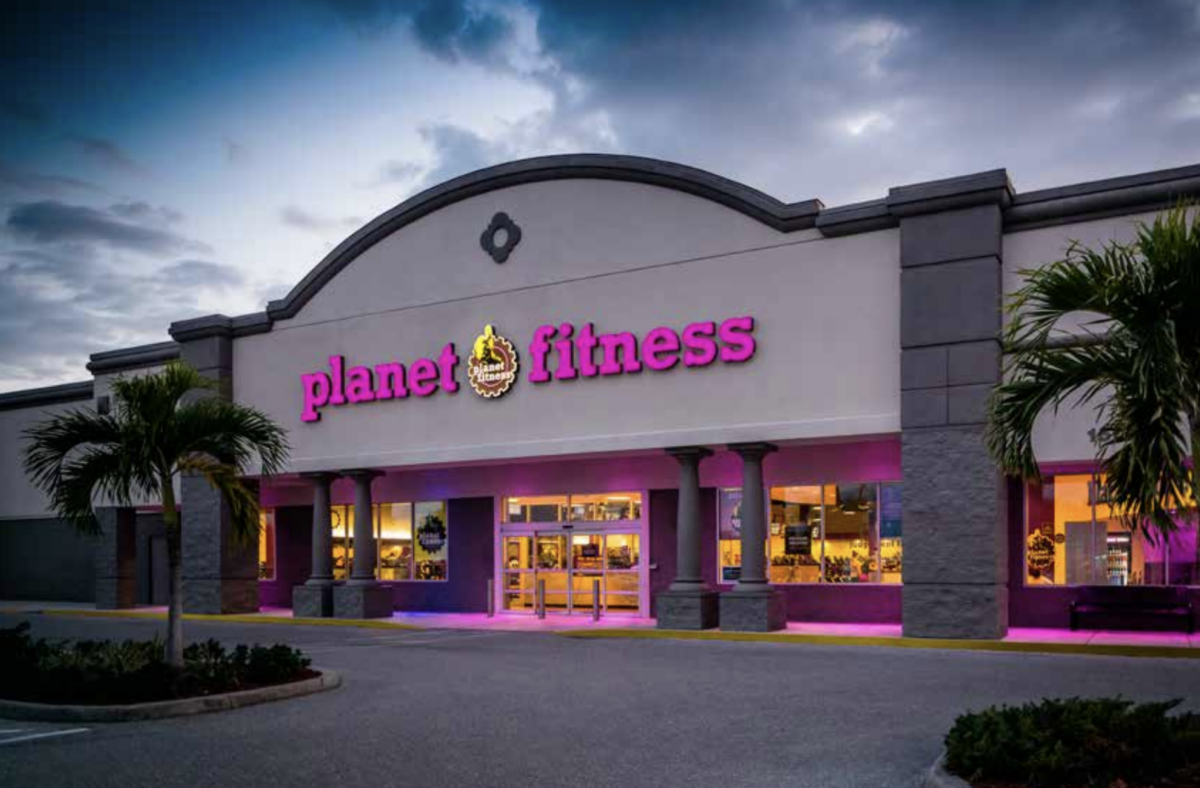
The fitness industry, exemplified by brands like Planet Fitness, continues to scale through large-format clubs that rely on high-volume memberships. The investment required for a Planet Fitness location is significant, ranging from $1.1 million to $5.25 million, with an initial franchise fee of roughly $20,000. These clubs often require substantial square footage and specialized gym equipment, which contributes to the higher end of the investment spectrum.
Hospitality franchises represent perhaps the most capital-intensive sector. Operating a hotel under a major banner like Holiday Inn or Marriott International involves not only the franchise fee but also the acquisition or development of real estate. Holiday Inn, part of the IHG portfolio, requires an initial investment that can range from $7.5 million to over $24 million per property, with a franchise fee of $50,000. Marriott International demands even higher thresholds, often requiring real estate assets valued between $67 million and $100 million, alongside an initial franchise fee of approximately $120,000.
Automotive Maintenance and Early Childhood Education
Automotive service franchises, such as Jiffy Lube and Valvoline Instant Oil Change, address the perennial need for vehicle maintenance. These businesses typically operate in high-traffic commercial zones and require specialized bays and disposal systems. A Jiffy Lube franchise requires an initial investment between $207,000 and $510,000 (excluding land), with a $35,000 franchise fee. Valvoline Instant Oil Change follows a similar investment profile, with costs ranging from $175,000 to $3.3 million and a franchise fee of $30,000.

In the education sector, brands like the Goddard School and Primrose Schools target the demand for private preschool and early childhood development. These franchises are highly regulated and require significant investment in specialized facilities and certified staff. The Goddard School franchise fee is $135,000, while Primrose Schools may require an initial investment of $667,900 to over $6.3 million, depending on the scale of the facility. For these education-focused franchises, the brand reputation is a primary driver of enrollment, making the initial investment a reflection of the high standards required for accreditation and parental trust.
Navigating the Due Diligence Process
Before committing to any franchise, potential owners should consult the official Franchise Disclosure Document (FDD) provided by the franchisor. This document is required by law and contains essential information regarding the company’s financial health, legal history, and the specific obligations of the franchisee. Prospective owners are encouraged to:
- Review the Item 7 of the FDD, which details the estimated initial investment.
- Speak with existing franchisees to gain insight into the day-to-day operational realities.
- Assess the training and ongoing support provided by the corporate office.
- Consult with a financial advisor or attorney specializing in franchise law to ensure the contract aligns with personal risk tolerance.
As the business environment shifts throughout 2026, staying informed about economic conditions and sector-specific trends remains essential. Most franchisors provide updated disclosures annually; always request the most recent version before signing any agreements. If you have experience with these franchises or are currently navigating the selection process, feel free to share your insights or questions in the comments section below.