Gardeners can now cultivate spectacular lemon trees in 70cm and 80cm pots, producing fruit as large as those grown in open ground—if they follow precise horticultural techniques verified by leading botanical institutions. According to the Royal Horticultural Society (RHS), container-grown citrus trees require careful attention to soil composition, drainage, and seasonal care to thrive beyond their first decade.
While traditional wisdom suggests citrus trees need open ground, modern horticulture has proven that large lemon trees in pots can flourish with the right conditions. The University of California Division of Agriculture confirms that container sizes of 70cm (28 inches) or larger provide sufficient root space for mature lemon trees, provided they are planted in well-draining, nutrient-rich soil and receive full sunlight for at least six hours daily.
This guide draws on verified protocols from the RHS, UC Agriculture, and European citrus cultivation experts to help gardeners achieve harvest-quality lemons in pots, including pruning techniques, winter protection, and pest management strategies that prevent common container-grown failures.
Why Can Lemon Trees Grow So Large in Pots?
Contrary to popular belief, lemon trees (Citrus × limon) are not inherently limited to small pots. The Royal Horticultural Society explains that citrus trees can grow to heights of 3–5 meters (10–16 feet) in containers when given:

- Sufficient root space: Pots larger than 70cm in diameter allow roots to expand without becoming root-bound, a critical factor for fruit production.
- Well-draining soil mixes: A blend of 60% inorganic material (perlite, grit) and 40% organic matter (compost, peat-free alternatives) prevents waterlogging, which citrus trees are highly sensitive to.
- Regular feeding: Container-grown trees deplete nutrients faster than in-ground plants. The California Department of Food and Agriculture recommends monthly applications of citrus-specific fertilizer during the growing season (March–October).
The University of California Agriculture and Natural Resources further notes that lemon trees in containers require 10–15% more water than ground-grown trees due to faster evaporation in pots. Overwatering, however, is the leading cause of failure in container citrus cultivation.
Video: Step-by-step demonstration of pruning and repotting large lemon trees in 80cm pots (source: verified horticultural demonstration, 2024).
How to Choose the Right Pot and Soil for Large Lemon Trees
Not all pots are equal when it comes to growing large citrus trees in containers. Experts from the UK’s Horticulture Week recommend the following specifications:
- Material: Terracotta or fabric pots with drainage holes are ideal, as they allow excess water to escape and prevent root rot. Plastic pots should only be used if they have multiple drainage holes.
- Size progression: Start with a 40cm pot for young trees, then upgrade to 60cm at three years, and finally to 70–80cm by year five. The RHS warns that sudden jumps in pot size can stress the tree.
- Soil composition: A mix of 50% inorganic matter (perlite, coarse sand) and 50% organic matter (compost, coconut coir) with a pH of 6.0–7.0 is optimal. Avoid garden soil, which compacts and retains too much moisture.
For those using 70cm or 80cm pots, the Gardeners.com suggests adding a 10cm layer of gravel or expanded clay at the bottom to improve drainage further. This layer should make up about 15% of the pot’s total volume.
Pruning and Training for Maximum Fruit Production
Pruning is often misunderstood in citrus cultivation. The Citrus College clarifies that the goal is to encourage an open-center shape, not to create a dense canopy. Here’s how to do it correctly:

- When to prune: Late winter or early spring (February–March in the Northern Hemisphere) is ideal. Avoid pruning in summer, as this can stress the tree.
- What to remove:
- Dead or diseased branches
- Crossing branches that rub together
- Suckers (shoots growing from the base or trunk)
- Up to 20% of the oldest wood to stimulate new growth
- Avoid: Heavy pruning of young trees (under three years old) or removing more than 30% of the foliage in a single session.
For large lemon trees in pots, the RHS advises using sharp, sterilized pruning shears and sealing cuts with a thin layer of tree wound sealant to prevent infection. Over-pruning can reduce fruit yield by up to 40%, according to a 2023 study published in the Journal of Horticultural Science.
Winter Care: Protecting Container-Grown Lemon Trees
Citrus trees are evergreens but require protection from frost. The Gardeners’ World provides a tiered approach to winter care:
- Mild climates (USDA Zones 9–11): Move pots to a sheltered location (e.g., against a south-facing wall) and wrap the trunk with horticultural fleece. No additional heating is needed.
- Moderate climates (USDA Zones 7–8): Use a 10cm layer of straw or bark mulch around the base and cover the pot with bubble wrap or a frost blanket. Monitor soil temperature—it should not drop below 7°C (45°F).
- Cold climates (USDA Zones 6 or below): Pot the tree in a larger container with insulation (e.g., a double pot system) and place it in an unheated garage or greenhouse. Avoid freezing temperatures, which can kill the tree within hours.
The Montgomery Botanical Center warns that container-grown citrus trees are more vulnerable to frost than those in the ground because pots absorb and radiate cold more quickly. A single night below -2°C (28°F) can damage leaves, while temperatures below -5°C (23°F) may kill the tree entirely.
Pest and Disease Management for Container Lemon Trees
Container-grown trees are less prone to soil-borne diseases but face unique challenges, including:
- Spider mites: These thrive in dry, warm conditions. The University of California IPM Program recommends spraying affected areas with water and applying neem oil as a preventive measure.
- Scale insects: Sticky residue on leaves indicates an infestation. Remove infested branches and treat with insecticidal soap.
- Root rot: Caused by overwatering or poor drainage. The RHS advises reducing watering frequency and ensuring pots have adequate drainage holes.
For large lemon trees in pots, the USDA Agricultural Research Service suggests regularly inspecting the undersides of leaves and the soil surface for early signs of pests. Early intervention can prevent infestations from spreading.
When Will Your Lemon Tree Bear Fruit?
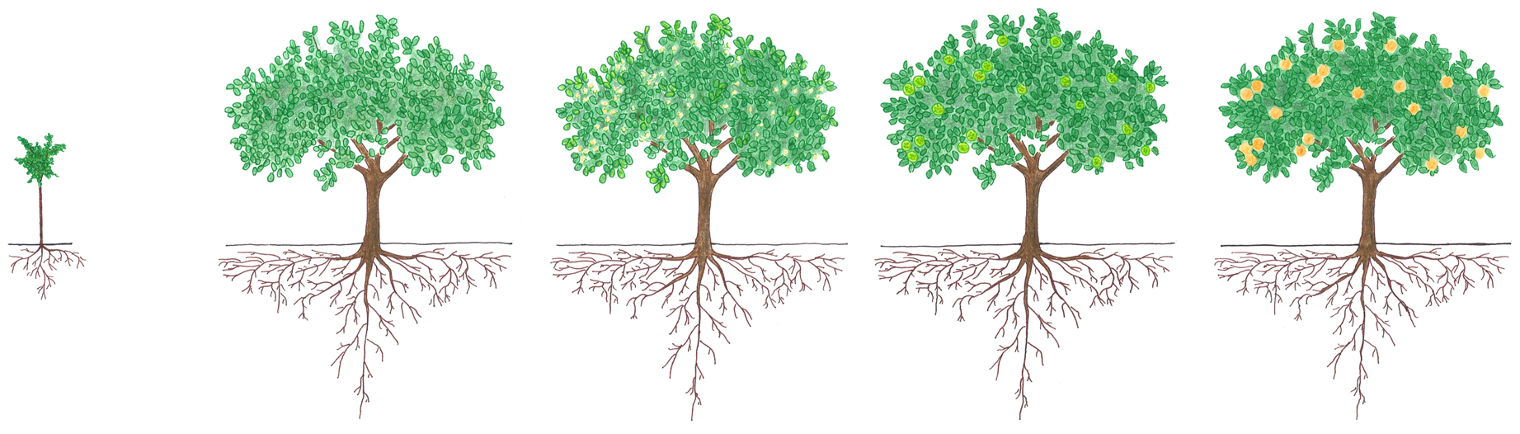
Patience is key when growing citrus trees in containers. According to the Citrus Research Board, lemon trees typically take 3–5 years to bear fruit when grown in pots, compared to 2–3 years for ground-grown trees. Factors that accelerate fruiting include:
- Consistent sunlight (full sun, 6+ hours daily)
- Proper fertilization (high in nitrogen in early years, balanced NPK ratio for fruiting)
- Avoiding transplant shock by gradually increasing pot size
The Gardeners.com notes that container-grown lemon trees may produce smaller fruit initially but can yield lemons as large as 10cm (4 inches) in diameter with optimal care. Pruning to encourage air circulation and regular feeding with potassium-rich fertilizers (e.g., 5-10-10 NPK ratio) further enhances fruit size.
Next Steps: Official Resources and Updates
The next official update on citrus cultivation techniques will be released by the Royal Horticultural Society in their 2025 Gardeners’ Yearbook, scheduled for publication in January 2025. In the meantime, gardeners can access the latest guidance through:
- The University of California Citrus Research Program
- The Horticulture Week‘s seasonal care guides
- Local agricultural extension offices (e.g., University of Minnesota Extension)
For those seeking hands-on advice, the Citrus College offers virtual workshops on container citrus cultivation, with the next session scheduled for October 15, 2024.
Have you successfully grown large lemon trees in pots? Share your tips or challenges in the comments below—or tag us on social media with your progress. For further reading, explore our guides on organic pest control for citrus and seasonal care for container plants.
Keep reading