For many of us, a nagging ache between the shoulder blades has turn into a standard part of the workday. Whether it is the result of hours spent hunched over a laptop, constant screen time on a smartphone, or the physical manifestation of a high-stress environment, the upper back often becomes a primary storage unit for tension. This discomfort is not merely a nuisance. it is a physical response to the modern lifestyle.
When we experience “forward head posture,” the muscles in the neck and upper back must work overtime to support the weight of the head. This chronic strain can lead to a rounded, forward slump that affects not only our physical alignment but also our emotional state. Research indicates that an upright posture is associated with lower levels of fear, better mood, and higher self-esteem, while a slumped posture can reinforce fatigue and negative emotions.
Addressing this tension requires a conscious effort to open the thoracic spine—the section of the spine running from the base of the neck to the bottom of the rib cage. By incorporating targeted 15-minute stretches, individuals can release tight muscles, improve their overall posture, and create the necessary room for the lungs to expand. This practice is an investment in long-term health that can help a person stand taller and move with more ease in everyday life.
As a physician and health journalist, I have seen how critical these minor “resets” are for maintaining musculoskeletal health. The goal is to move from a state of constant contraction to one of openness and flexibility, reducing the risk of chronic injury and improving the body’s range of motion.
Understanding the Anatomy of Upper Back Tension
To effectively treat tightness, it is important to understand what is happening anatomically. The upper back, or thoracic spine, is designed for stability and the protection of vital organs. It naturally curves slightly forward and allows for twisting and reaching. However, when we slouch, key muscles—such as the trapezius (the large diamond-shaped muscle spanning the neck, shoulders, and mid-back) and the rhomboids (which connect the spine to the shoulder blades)—become overstretched and weak. Simultaneously, the chest muscles tighten, pulling the shoulders forward into a slump.

This imbalance creates a cycle of tension. When the shoulders are rounded, the head shifts forward, increasing the load on the thoracic spine. This is why many people find a “mini reset”—such as subtly squeezing the shoulder blades together—to be satisfying; it is the body’s instinctive attempt to wake up the upper back and restore balance. When the “straps” of the upper back are balanced, the chest lifts, the shoulders draw back and down, and the head and neck feel evenly supported.
The benefits of addressing this tension through yoga and stretching are multifaceted. Beyond the immediate relief of a nagging ache, these practices help strengthen the muscles that support the spine and promote proper alignment. This is particularly important as we age, as muscles naturally tend to become tighter and less flexible, increasing the risk of muscle strains.
Effective Poses for Upper Back Relief
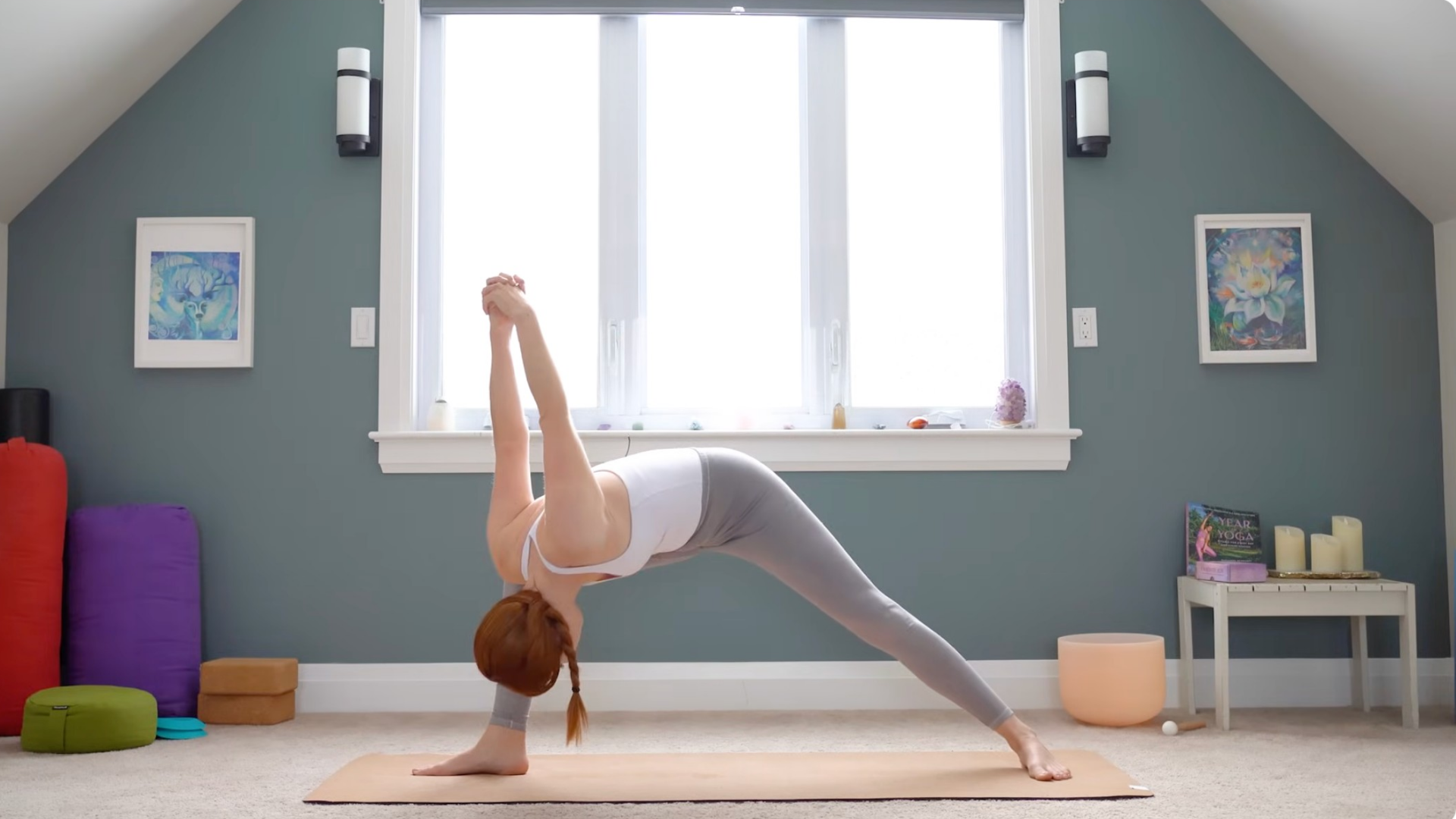
Incorporating a few foundational poses into a daily routine can significantly alleviate stiffness and increase flexibility. The following poses are recognized for their ability to open the thoracic spine and release long-held tension:
- Child’s Pose: A restorative posture that helps release tension and promote relaxation.
- Cat-Cow Pose: A dynamic stretch that improves the mobility of the entire spine.
- Thread the Needle Pose: Specifically targets the upper back and shoulders to increase the range of motion.
- Downward Facing Dog: A comprehensive stretch that helps lengthen the spine and relieve pressure.
- Bridge Pose: Helps open the chest and strengthen the muscles that support an upright posture.
For those seeking a structured approach, these movements can be combined into a soothing 15-minute flow. The key is to pair these stretches with conscious breathing, as the path to a more comfortable body begins with a single, conscious breath. For those who also experience discomfort in the lower back, these upper-body stretches can be paired with targeted lower-back routines for a full-spine release.
The Connection Between Posture and Well-being
The impact of upper back tension extends beyond physical pain. Due to the fact that the thoracic spine attaches to the ribs, tightness in this area can limit the room the lungs have to expand, potentially affecting breathing efficiency. The psychological link between posture and mood is significant. Moving out of a rounded slump and into an upright position can help shift one’s internal state from fatigue to alertness.
Regular practice not only provides immediate relief but also cultivates long-term strength. By strengthening the rhomboids and trapezius while opening the chest, individuals can break the cycle of “forward head posture” and reduce the likelihood of future pain or injury. For those with specific spinal conditions, such as scoliosis, targeted yoga has shown potential for benefit; one study led by Dr. Loren Fishman at Columbia University found that practicing a single yoga pose for 90 seconds, three times a week, could reduce spine curvature in scoliosis patients within three months via Yogalian.
Practical Tips for Lasting Relief
To maintain the benefits of these 15-minute stretches, it is helpful to implement “micro-breaks” throughout the day. If you work a desk job or spend significant time on a phone, set a timer to perform a quick shoulder squeeze or a gentle neck stretch every hour. This prevents the muscles from locking into a slumped position for extended periods.
When practicing these stretches, avoid common mistakes such as forcing a pose or holding your breath. Yoga should be a compassionate investment in your health, not a source of further strain. Focus on the sensation of the muscles releasing and the expansion of the chest. If you experience sharp pain rather than a gentle stretch, it is important to modify the pose or consult a healthcare provider.
Key Takeaways for Upper Back Health
- Identify the Cause: Tension is often a result of “forward head posture” caused by screen use and stress.
- Target the Thoracic Spine: Focus on the area from the base of the neck to the bottom of the rib cage to improve posture.
- Balance the Muscles: Stretch the chest and strengthen the rhomboids and trapezius to counteract slouching.
- Consistency Matters: A 15-minute daily flow of poses like Child’s Pose and Cat-Cow can provide lasting relief.
- Mind-Body Connection: Upright posture is linked to better mood and lower levels of fear.
Maintaining a healthy upper back is a continuous process of awareness and movement. By dedicating just 15 minutes a day to these stretches, you can counteract the physical tolls of a modern, sedentary lifestyle and improve your overall quality of life.
For those looking for further guidance on spinal health or specific therapeutic exercises, consulting a licensed physical therapist or a certified yoga instructor is the recommended next step to ensure poses are performed with correct alignment.
We encourage our readers to share their experiences with posture correction and tension relief in the comments below. Please share this guide with colleagues or friends who may be struggling with desk-related tension.