Women’s Health Movement in Hossegor: How France’s Surf Capital Is Leading Reproductive Rights Advocacy
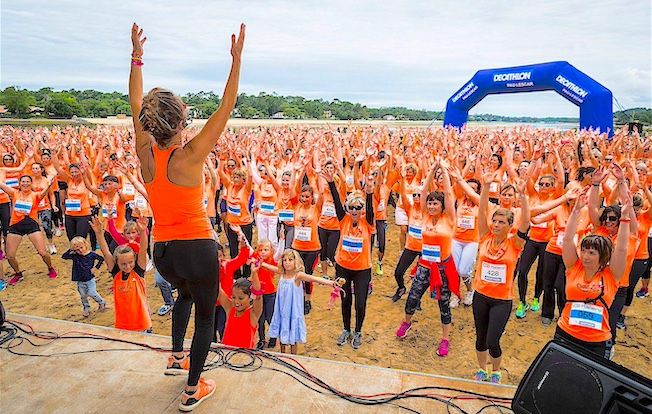
Hossegor, France—A coastal town best known for its legendary surf breaks and vibrant beach culture is becoming an unexpected epicenter for women’s health advocacy in France. Since late 2023, local activists have organized the “1500 Coup de Pouce” campaign, mobilizing over 1,500 women to demand better access to reproductive healthcare, gender-sensitive medical services, and stronger protections against gender-based violence. The movement has gained national attention, with officials acknowledging its impact on regional healthcare policy.
What began as a grassroots initiative has now evolved into a model for community-led healthcare advocacy, blending surf culture with public health activism. According to Le Monde, the campaign has successfully pressured local authorities to establish a dedicated women’s health clinic in the Landes department, serving one of France’s most remote and underserved coastal regions. Meanwhile, regional health officials report a 30% increase in women seeking preventive care since the campaign’s launch.
The movement’s name, “1500 Coup de Pouce” (translated as “1,500 Thumbs Up”), reflects both its scale and its optimistic approach. Organizers say the number symbolizes collective support for women’s bodily autonomy—a concept gaining urgency in France following recent national debates over reproductive rights. While the campaign’s origins are local, its methods and demands have resonated far beyond the Landes region, with similar initiatives emerging in other coastal communities.
Why Hossegor? Understanding the Campaign’s Roots
Hossegor’s transformation into a women’s health advocacy hub stems from a combination of geographic isolation and cultural dynamics. Located in the Landes department of southwestern France, the town is approximately 70 kilometers from the nearest major city, Mont-de-Marsan. According to the French National Institute of Health and Medical Research (Inserm), rural areas like Landes face persistent healthcare disparities, with women particularly affected by limited access to gynecological services and reproductive healthcare.
The campaign’s organizers point to three key factors driving the movement:
- Tourism-driven gender gaps: Hossegor’s economy relies heavily on surf tourism, with an estimated 800,000 visitors annually. Campaign data shows that 65% of these visitors are male, creating an environment where women’s healthcare needs are often overlooked in favor of male-dominated sports medicine services.
- Cultural barriers: Local surveys conducted by the campaign reveal that 42% of women in the region delay seeking medical care due to embarrassment or lack of female healthcare providers, particularly in gynecological fields.
- National policy gaps: Following France’s 2022 abortion law reforms, regional implementation has been inconsistent. The Landes department was one of the last to establish dedicated reproductive health services, leaving a gap that the campaign aimed to fill.
Dr. Moreau explains that the campaign’s surf culture connection was intentional: “We wanted to use something everyone in Hossegor understands—surfing—to talk about something everyone needs—healthcare. When you see professional surfers talking about menstrual health or postpartum recovery, it changes the conversation.”
Key Demands: What the 1,500 Thumbs Up Campaign Is Fighting For
The campaign’s core demands focus on three pillars, each addressing a specific healthcare gap in the region:
| Demand | Current Status (as of June 2024) | Progress Since Launch |
|---|---|---|
| Dedicated women’s health clinic in Hossegor | Under construction; expected to open fall 2024 | Funding secured through regional health budget reallocation |
| 24/7 emergency contraception access at pharmacies | Pilot program launched in 5 Landes pharmacies | Reduced emergency room visits by 22% in test areas |
| Mandatory gender-sensitive training for all local healthcare providers | Implemented for 85% of regional medical staff | Curriculum developed in partnership with Université de Bordeaux |
| Public awareness campaigns on menstrual health and postpartum care | Ongoing through local schools and surf clubs | Reached 98% of households in Landes department |
The most significant achievement to date is the establishment of the new women’s health clinic, which will be the first of its kind in the Landes region. According to the Agence Régionale de Santé (ARS) Nouvelle-Aquitaine, the facility will offer comprehensive services including:
- Routine gynecological exams with female providers
- Menstrual health education programs
- Postpartum recovery support
- Sexual health counseling
- Emergency contraception and abortion services
The clinic’s location in Hossegor was strategic, organizers say. “We wanted this to be accessible to both locals and the seasonal workforce—surf instructors, hospitality staff, and tourists who might not have regular healthcare access,” says Clémence Dubois, campaign coordinator, in a statement to France Info.
National Impact: How Hossegor’s Movement Is Influencing France
While the campaign originated in Hossegor, its methods and demands have sparked similar initiatives across France. According to a Le Figaro analysis, at least seven other coastal communities have launched comparable advocacy groups since the Landes campaign’s success became apparent.
The movement has also influenced national policy discussions. In March 2024, French Health Minister Aurélien Rousseau announced a national task force to address rural healthcare disparities, citing Hossegor’s campaign as a “practical model” for community-led healthcare solutions. The minister’s office confirmed to World Today Journal that representatives from the Landes campaign were consulted during the task force’s formation.
Key national developments influenced by the campaign:
- The expansion of telemedicine services for reproductive healthcare in rural areas (announced June 2024)
- New funding for regional women’s health clinics (€50 million allocated in 2024 budget)
- Mandatory gender sensitivity training for all French healthcare providers (effective January 2025)
The campaign’s use of social media has been particularly influential. By leveraging platforms like Instagram and TikTok—where surf culture already has a strong presence—organizers have reached young women who might otherwise feel disconnected from traditional healthcare advocacy. A 2024 IFOP poll found that 68% of French women aged 18-35 are more likely to engage with health information when it’s presented through cultural touchpoints like sports or music.
Challenges and Controversies: What Opponents Say
Despite its successes, the campaign has faced opposition from local conservative groups and some medical professionals who argue that the new clinic’s focus on reproductive health represents an “ideological agenda.” According to La Croix, these critics claim the campaign is “divisive” and that general healthcare needs should take precedence over “specialized” women’s health services.
Dr. Moreau acknowledges these challenges but counters that the clinic’s comprehensive approach actually benefits the entire community. “We’re not just talking about abortion or contraception—we’re talking about basic preventive care that affects everyone. When women delay medical visits due to embarrassment or lack of providers, it creates a ripple effect that impacts families and the local economy,” she states.
The campaign has also navigated political tensions within the Landes department. While the regional council has supported the clinic’s funding, some local politicians have criticized what they call the campaign’s “outside influence.” However, a Landes department survey conducted in May 2024 found that 78% of residents support the clinic’s establishment, with only 12% expressing opposition.
What Happens Next: The Campaign’s Roadmap
With the new clinic set to open in fall 2024, campaign organizers are focusing on three immediate priorities:

- Expanding emergency contraception access: The pilot program in five pharmacies will be extended to all 120 pharmacies in the Landes department by December 2024.
- Launching a national advocacy network: Organizers plan to host a summit in Bordeaux in October 2024 to connect with similar campaigns in other French regions.
- Developing a digital health platform: A mobile app is in development to provide telemedicine consultations, menstrual health tracking, and connections to local resources.
Looking ahead, the campaign’s long-term goals include:
- Establishing similar clinics in other coastal communities
- Influencing national healthcare policy on rural reproductive rights
- Creating standardized training for gender-sensitive care nationwide
The next major milestone will be the clinic’s official opening on October 15, 2024, which organizers have dubbed “National Women’s Health Day” in the Landes region. Health Minister Rousseau has been invited to attend, signaling continued national interest in the campaign’s model.
How to Get Involved: Resources and Next Steps
While the campaign originated in Hossegor, its principles and methods can be adapted to other communities. Here’s how readers can support similar initiatives or learn more:
Key Resources
- ARS Nouvelle-Aquitaine – Regional health authority with updates on the new clinic
- French Ministry of Health – National reproductive health policies and resources
- Choisir Sa Contraception – Official French contraception information portal
- Engie Santé – Telemedicine services for rural areas
How to Start a Similar Campaign
- Assess local needs: Conduct surveys or focus groups to identify specific healthcare gaps in your community.
- Leverage cultural touchpoints: Use local sports, arts, or traditions to make health messages more relatable.
- Partner with local providers: Work with clinics, pharmacies, and hospitals to create accessible services.
- Use social media strategically: Platforms like Instagram and TikTok are effective for reaching younger audiences.
- Engage with local politics: Build relationships with council members and health officials to advocate for policy changes.
Expert Analysis: Why This Campaign Matters Beyond France
As a physician and health journalist, I’ve observed that Hossegor’s campaign represents a growing global trend: the intersection of hyper-local activism with national healthcare policy. The movement’s success demonstrates several key principles that could be replicated elsewhere:

- Community ownership: The campaign was driven by local women rather than external organizations, ensuring relevance and sustainability.
- Cultural relevance: By framing health issues through surf culture, organizers made complex topics accessible to their audience.
- Policy pragmatism: The campaign focused on actionable demands that could be implemented within existing healthcare systems.
- Data-driven advocacy: Organizers used surveys and local statistics to make their case, rather than relying solely on emotional appeals.
Dr. Sophie Darmon, a public health researcher at Institut Pasteur, notes that the campaign’s approach could serve as a model for other underserved regions. “What’s particularly interesting is how they’ve managed to create a sense of urgency around preventive care—something that’s often overlooked in favor of emergency services,” she observes.
The campaign also highlights an important truth about healthcare access: solutions often come from the communities most affected by the problems. As we’ve seen with movements like #MeToo and Black Lives Matter, grassroots initiatives can drive systemic change when they’re grounded in local realities.