
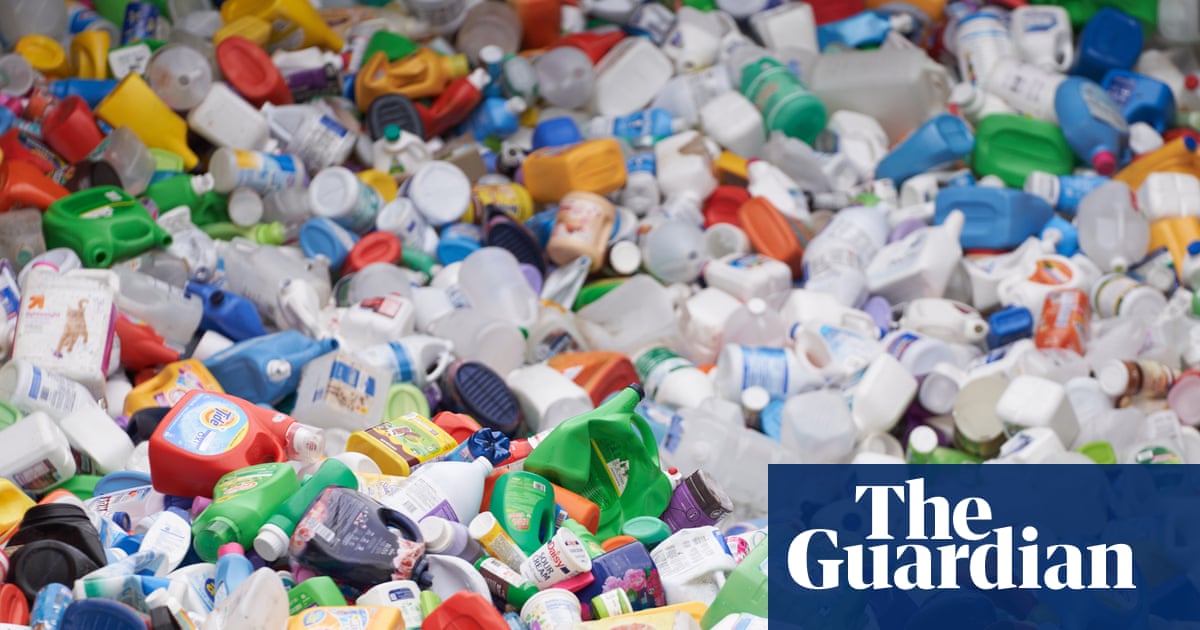
A coalition of 17 states has filed a lawsuit against the state of California, challenging the constitutionality of a landmark plastics packaging law. The legal action, led by a group of Republican attorneys general, argues that the California statute—formally known as the Plastic Pollution Producer Responsibility Act, or Senate Bill 54—violates the Commerce Clause of the U.S. Constitution by imposing excessive regulatory burdens on out-of-state businesses. Plaintiffs contend the law effectively forces companies across the country to alter their manufacturing processes to meet California’s specific environmental standards.
The lawsuit, filed in the U.S. District Court for the Eastern District of California, represents a significant escalation in the ongoing national debate over extended producer responsibility (EPR) policies. According to the California Attorney General’s Office, the law was designed to shift the financial burden of waste management from local taxpayers to the producers of single-use plastic packaging. The 17 states, led by Iowa Attorney General Brenna Bird, allege that the statute constitutes an unlawful attempt by California to dictate national manufacturing policies, potentially increasing costs for consumers and supply chains nationwide.
The Legal Basis for the Challenge
The core of the legal challenge centers on the assertion that California is unconstitutionally regulating interstate commerce. The plaintiffs argue that because the plastic packaging market is national in scope, companies cannot feasibly create separate product lines solely for the California market. By setting stringent mandates, the states argue that California is effectively regulating manufacturing activities occurring within their own borders, which they claim falls outside the scope of California’s legal authority.
The Commerce Clause, found in Article I of the U.S. Constitution, has historically been used to prevent individual states from erecting barriers to trade or imposing regulations that unduly burden out-of-state economic interests. In this instance, the coalition of states asserts that the requirement for producers to pay annual fees—intended to fund the state’s recycling infrastructure—functions as a tax on interstate commerce that provides no direct benefit to the residents of the states challenging the law. The litigation seeks a permanent injunction to prevent the implementation of key provisions of the statute.
Impact on Industry and Environmental Policy
Industry stakeholders remain divided on the implications of the law. Supporters of SB 54, including environmental advocacy groups, maintain that the legislation is a necessary response to the global plastic waste crisis. Proponents point to the fact that California is the world's fifth-largest economy, arguing that the law will create a "market pull" that incentivizes sustainable innovation in packaging materials.

Conversely, the industry groups supporting the lawsuit argue that the timeline is unrealistic and will lead to significant economic disruptions. Retailers and manufacturers have expressed concerns regarding the complexity of tracking packaging materials across diverse supply chains to ensure compliance with the state’s specific definitions of “recyclable.” The legislation signed into law in 2022 requires producers to join an approved producer responsibility organization (PRO) and pay fees. These funds are earmarked for infrastructure improvements, such as advanced sorting facilities and the development of more robust composting systems.
Comparison of Regulatory Perspectives
The dispute highlights a growing divide between states that favor aggressive, state-level environmental mandates and those that advocate for a voluntary or industry-led approach to packaging sustainability. While California’s approach relies on mandatory, performance-based targets, the plaintiffs argue for a more decentralized model that respects state sovereignty. Below is a summary of the conflicting positions currently before the court:
| Stakeholder | Primary Stance | Key Concern |
|---|---|---|
| California State Government | Mandatory EPR targets are essential to reduce waste. | Environmental impact and public health costs. |
| Coalition of 17 States | State-level mandates violate the Commerce Clause. | Economic burden on interstate supply chains. |
Legal analysts suggest that this case could reach the U.S. Supreme Court, given the constitutional nature of the arguments presented. The outcome of the litigation may set a significant precedent for how states can regulate goods that are manufactured and sold across multiple jurisdictions. If the court upholds the law, it could embolden other states to adopt similar EPR policies, potentially accelerating a national shift toward circular packaging economies. If the law is struck down, it may limit the ability of individual states to enact ambitious environmental regulations that impact the broader domestic market.
Next Steps in the Litigation
The case is currently in the initial filing stage within the U.S. District Court for the Eastern District of California. Both parties are expected to enter a period of discovery and motion practice, which will likely take several months. No date for an evidentiary hearing or oral arguments on a motion for summary judgment has been set. Interested parties and stakeholders can monitor the court’s docket for updates on filings and scheduled proceedings. As the legal process unfolds, the implementation of the specific fee structures and compliance deadlines remains a point of intense focus for manufacturers and environmental regulators alike.

Readers interested in the ongoing developments of this case are encouraged to share this report or subscribe to our newsletter for updates on the next major filing. Comments regarding the impact of these regulations on local businesses and environmental efforts are welcome below.