
New York City officials are intensifying calls to ban horse-drawn carriage rides following the death of an 18-year-old tourist who was thrown from a carriage in Central Park. The incident, which occurred during a runaway carriage event, has renewed a long-standing political and ethical debate regarding the safety and viability of the horse carriage industry in Manhattan. According to the New York City Mayor’s Office, the administration is currently reviewing regulatory options to address public safety concerns after the fatality.
The incident involved an 18-year-old visitor who sustained fatal injuries after being ejected from a carriage. Emergency responders and police were dispatched to the scene, and the New York City Police Department confirmed that the carriage was involved in a collision before the victim was thrown. While the investigation into the exact mechanical or animal-related causes of the runaway carriage remains ongoing, the death has prompted immediate administrative action to suspend operations temporarily while the city conducts a safety review of the carriage trade.
Regulatory Scrutiny and Public Safety Concerns
The push to end the use of horse-drawn carriages is not a new development in New York City politics, but the recent tragedy has significantly elevated the urgency of the discussion. Advocates for a ban, including various City Council members and animal welfare organizations, argue that the dense traffic and urban environment of Manhattan are inherently dangerous for horses and passengers alike. The New York City Council has previously debated legislation aimed at phasing out the industry, citing recurring incidents of carriages colliding with motor vehicles or animals becoming spooked in traffic.
Industry representatives maintain that the carriage trade is highly regulated and that horses are subjected to strict veterinary oversight and labor standards. According to data from the New York City Department of Health and Mental Hygiene, which oversees the licensing of horse-drawn carriages, operators must adhere to specific temperature limits and working hour restrictions. However, opponents contend that these regulations are insufficient to mitigate the risks inherent in mixing heavy carriage traffic with the city’s high-volume vehicle flow.
The Evolution of the Debate
The conflict over Central Park carriage rides represents a clash between tourism-driven tradition and modern urban safety standards. Historically, horse-drawn carriages have been a staple of the New York City tourism experience, often marketed as a scenic way to view the city’s landmark parks. Critics, however, point to a history of documented accidents—ranging from minor collisions to more severe events—as evidence that the practice is outdated. The current administration has signaled a willingness to reconsider the industry’s future, with Mayor Eric Adams acknowledging the need for a comprehensive evaluation of the carriage program in light of the recent fatality.
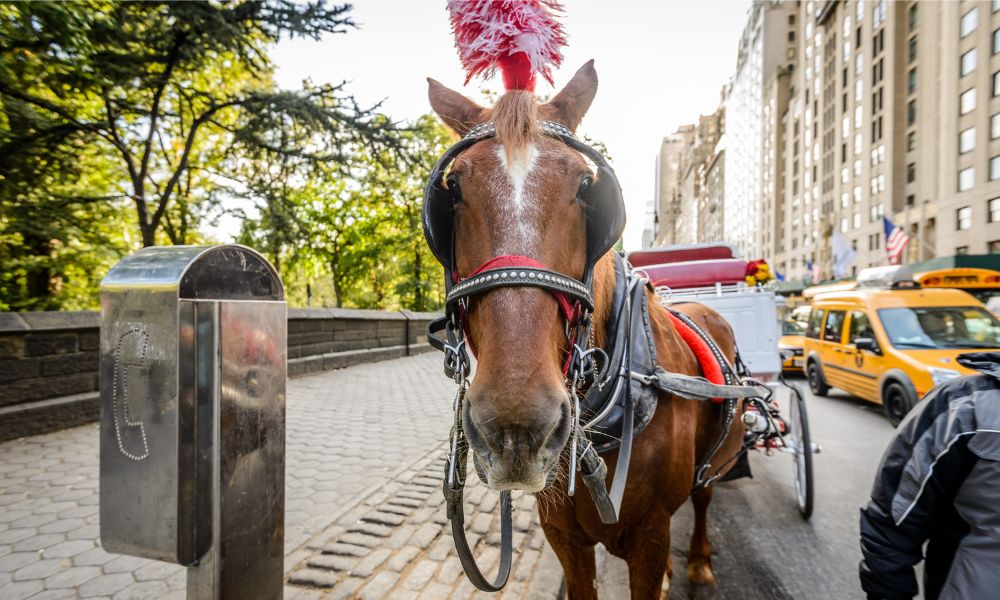
Comparative analysis of similar metropolitan policies shows a trend toward restricting or banning such operations. Several major cities globally have transitioned to electric-powered carriage alternatives to preserve the aesthetic of the tour while eliminating the safety risks associated with live animals in traffic. In New York, the conversation now centers on whether the economic impact of the carriage industry outweighs the liability and safety concerns highlighted by this latest incident.
What Happens Next: Investigations and Policy Reviews
The immediate next step for the city is the conclusion of the formal investigation into the circumstances surrounding the 18-year-old’s death. The police investigation is expected to provide a detailed account of the events leading up to the carriage becoming uncontrollable, which will likely serve as the primary evidence for any proposed legislative changes. As of the latest update, the city has implemented a temporary suspension of carriage operations, a measure intended to allow for a thorough safety audit of all licensed carriage companies.
City officials have indicated that they will provide updates on the status of these operations following the completion of the departmental review. For residents and tourists alike, the future of this iconic, yet controversial, aspect of New York City life remains uncertain. The City of New York continues to update its official portal with information regarding public safety and any potential changes to municipal codes governing street vendors and carriage operators. Interested parties are encouraged to monitor future City Council hearings for updates on potential legislative action or permanent policy shifts regarding the industry.
Jonathan Reed serves as the News Editor for World Today Journal. With over 16 years of experience in investigative reporting, he provides analysis on global affairs and local governance from his base in London.
Keep reading