As the international community monitors developments in East Asia, preparations are underway for the 18th Straits Forum, an annual event centered on cross-strait engagement. Scheduled for mid-June in Fujian Province, the forum remains a focal point for discussions surrounding regional connectivity, cultural heritage, and economic cooperation between mainland China and Taiwan. As a journalist who has spent over 16 years reporting on international affairs, I find that understanding the nuances of these platforms is essential for grasping the broader dynamics of cross-strait relations.
The Straits Forum, which has historically functioned as a venue for grassroots and civil society exchanges, serves as a barometer for the current climate of regional interaction. While high-level diplomatic channels between Beijing and Taipei have experienced significant fluctuations in recent years, the forum continues to emphasize interpersonal, cultural, and economic ties. This year’s assembly is expected to draw participants from various sectors, including youth representatives, business leaders, and cultural organizations, all converging in Fujian—a province that shares deep historical and linguistic roots with Taiwan.
For those following global affairs, the significance of the 18th Straits Forum lies in its persistence as a bridge-building exercise. Whether through the lens of maritime history, ancestral lineage, or contemporary trade, the event highlights the complex, often delicate, nature of maintaining dialogue across the Taiwan Strait. As we look toward mid-June, the focus will remain on how these interactions are framed and the extent to which they influence the evolving landscape of regional policy. For official updates and schedule details, stakeholders typically monitor announcements from the Taiwan Affairs Office of the State Council, which oversees the coordination of such cross-strait initiatives.
Historical Context and the Role of Cultural Diplomacy
A recurring theme at the Straits Forum is the emphasis on “shared heritage.” This often manifests through discussions on folk beliefs, genealogy, and the preservation of historical records. Fujian, particularly regions like Putian, is frequently highlighted as a hub for Mazu culture, a prominent maritime belief system that resonates deeply with many in Taiwan. By focusing on these cultural markers, organizers seek to maintain a sense of continuity in identity, which they argue serves as a foundation for broader political and economic stability.
The practice of “genealogy tracing”—where families from both sides of the strait connect to verify their ancestral roots—is a core component of this strategy. According to reports from the Xinhua News Agency, these initiatives are designed to foster a sense of “belonging” that transcends contemporary political divides. We see an approach that prioritizes soft power, utilizing history and tradition to encourage participation from non-governmental sectors in Taiwan. However, the reception of these events in Taiwan is often polarized, reflecting a wider debate within the island regarding identity and the nature of future relations with the mainland.
Economic Engagement and Regional Integration
Beyond the cultural aspects, the Straits Forum serves as a platform for discussing economic integration. Fujian Province has been designated as a “demonstration zone” for integrated development, a policy framework aimed at lowering barriers for Taiwanese businesses and individuals looking to work or study on the mainland. The State Council of the People’s Republic of China has previously issued guidelines aimed at facilitating this integration, including measures to streamline professional qualification recognition and improve social security access for Taiwan residents.
For international observers, these economic policies are indicative of a long-term strategy to tether the two economies more closely. By offering incentives for Taiwanese youth and entrepreneurs to participate in the Fujian market, authorities are attempting to build a constituency that has a vested interest in the maintenance of stable cross-strait ties. The forum provides the stage for these initiatives to be presented and debated, offering a glimpse into the mechanics of how economic interdependence is promoted as a pathway to stability.
Navigating a Complex Geopolitical Landscape
The 18th Straits Forum takes place against a backdrop of heightened geopolitical sensitivity. The Taiwan Strait remains one of the most closely watched maritime regions in the world, with international powers closely monitoring any shifts in the status quo. As I have observed throughout my career, even events framed as “grassroots” or “cultural” are often analyzed for their political subtext by stakeholders in Washington, Brussels, and Tokyo.
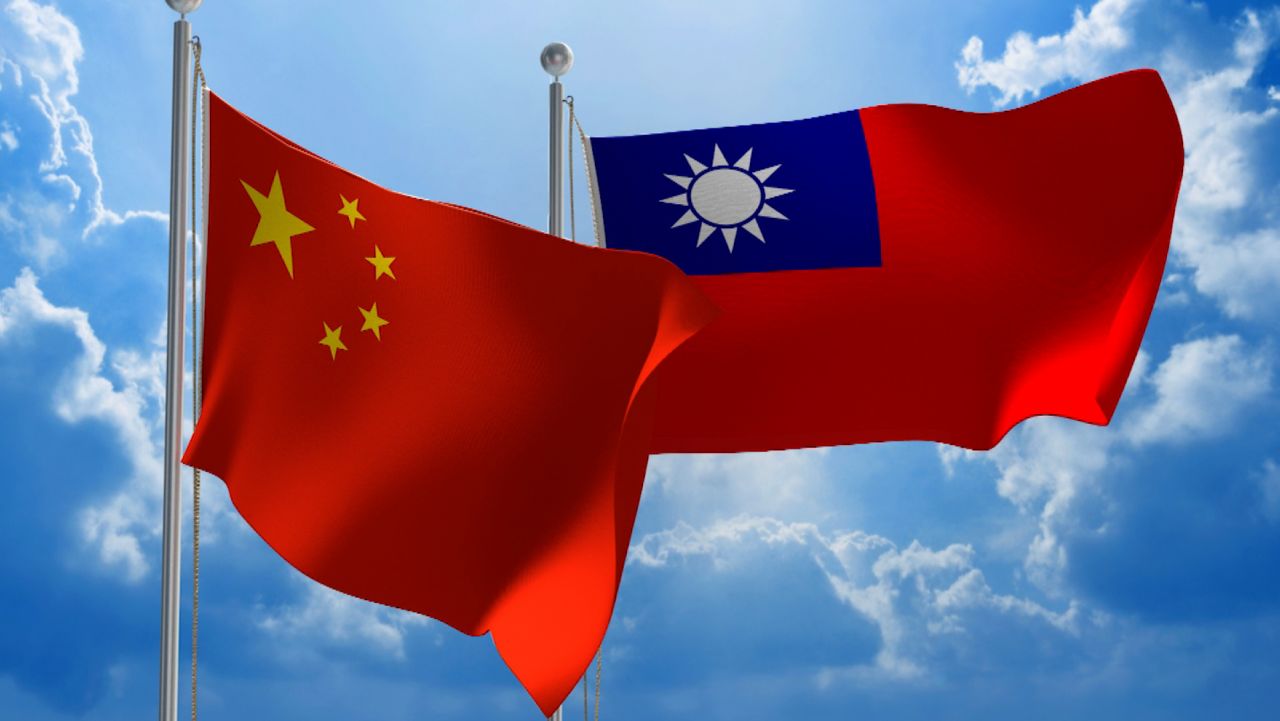
The challenge for participants and observers alike is to distinguish between the stated goals of the forum—promoting peace and development—and the wider strategic objectives of the parties involved. As noted by the Center for Strategic and International Studies (CSIS), the regional security environment is characterized by a “complex interplay of military posturing, economic pressure, and diplomatic signaling.” the forum is not merely an isolated event but a constituent part of a much larger, global geopolitical architecture.
Key Takeaways for Global Observers
- Cultural Focus: The event emphasizes shared traditions, such as Mazu belief and genealogy, to foster interpersonal connections.
- Economic Integration: Fujian serves as the primary testing ground for policies designed to integrate the economies of mainland China and Taiwan.
- Strategic Intent: While framed as a civil society event, the forum is a key component of broader cross-strait policy and regional influence efforts.
- Geopolitical Sensitivity: The forum occurs within a high-stakes environment where every gesture is scrutinized by regional and international actors.
Looking Ahead: What to Watch in June
As we approach the mid-June timeline, the international community will be watching for several indicators. First, the level of participation from various political and social factions in Taiwan will provide a clear signal of the current sentiment toward cross-strait dialogue. Second, any new policy announcements regarding the “integrated development” of Fujian and Taiwan will be carefully parsed for their impact on regional trade and migration.

the Straits Forum represents an ongoing effort to manage a deeply complex relationship through the lens of history, culture, and economic necessity. Whether these efforts succeed in bridging the divide remains a subject of intense debate among political scientists and policymakers. For my part, I will continue to track these developments and provide updates as they emerge. I encourage you to share your thoughts on the evolution of cross-strait relations in the comments section below, as we continue to monitor this essential aspect of contemporary world affairs.
Jonathan Reed is the News Editor at World Today Journal, specializing in international affairs and political analysis. With over 16 years of experience, he provides in-depth reporting on the events shaping our global landscape.
Keep reading