The Pioneering Work That Revealed How Bacteria Evolve
The story of how we understand bacterial evolution is a engaging journey of scientific discovery, spearheaded by a group of researchers who fundamentally changed our understanding of genetics and natural selection. This exploration began with a simple question: do mutations arise randomly, or are they triggered by the environment? The answer, revealed through ingenious experimentation, laid the groundwork for modern genetics and earned its discoverers a Nobel Prize.
Challenging the Status Quo: The Fluctuation Test
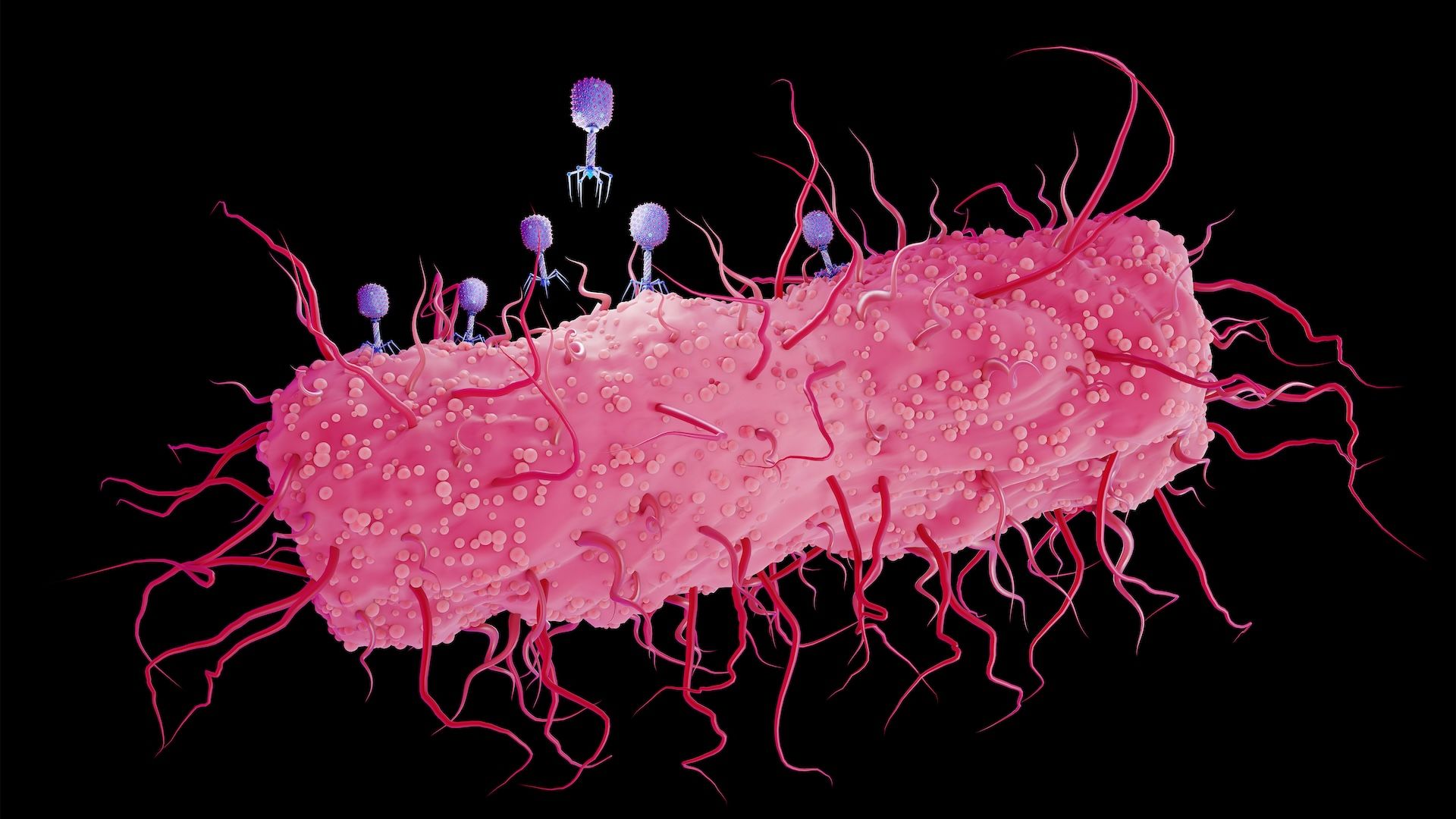
prior to the 1940s, a prevailing belief held that bacteria developed resistance to viruses (phages) as a direct response to being exposed to them. Salvador Luria and Max Delbrück, two physicists turned biologists, challenged this adaptive mutation hypothesis.They reasoned that if mutations were indeed triggered by the environment, you’d expect to see a consistent level of resistance develop across different bacterial cultures exposed to the same phage.
Instead, they devised what became known as the “fluctuation test.” This involved growing multiple independent cultures of E. coli bacteria and then exposing them to a phage. Their observations were striking: some cultures showed a high number of resistant bacteria, while others showed very few. This wasn’t consistent with a directed response; it suggested something else was at play.
* Consistent Proportions: Resistant bacteria appeared in the same proportions across cultures.
* Timing is Key: Resistance only emerged after the phage was introduced.
This pattern strongly indicated that mutations conferring resistance weren’t caused by the phage itself, but rather occurred randomly before exposure. Some cultures simply happened to have bacteria that mutated to become resistant earlier in their growth cycle, leading to a “jackpot” effect.
Confirming Random Mutation and Expanding Genetic Understanding
In 1943, Luria and delbrück published their findings, definitively demonstrating that mutations arise randomly in bacteria. This was a pivotal moment, solidifying the Darwinian principle of natural selection acting upon pre-existing, random variation.
their collaboration soon expanded with the addition of Alfred Hershey,a microbial chemist. Together, the trio made further groundbreaking discoveries:
- Phages contain more than one gene.
- Viruses can exchange genetic material with each other within a single bacterium - a process called genetic recombination.
- DNA, not protein, is the carrier of genetic information.
These contributions were so significant that Hershey, Luria, and Delbrück were jointly awarded the 1969 Nobel Prize in Physiology or Medicine.
A Nuanced View of Mutation: Beyond Randomness?
For decades, the understanding that mutations are fundamentally random has been a cornerstone of evolutionary biology. However, recent research is adding layers of complexity to this picture. It seems not all mutations are created equal.
* Essential Genes: Mutation rates in genes essential for survival tend to be lower.
* Non-Randomness in Plants: Studies in certain plants suggest a bias in mutation rates, favoring less critical genes.
Interestingly, the statistical clarity of Luria, Delbrück, and Hershey’s original results might have been system-dependent. If they had chosen a different bacterial and phage system – one utilizing the CRISPR bacterial immune system, for example – the results may not have been so definitive.
The Legacy of Their Work
The work of Luria, Delbrück, and Hershey revolutionized our understanding of genetics and evolution. Their rigorous experimentation and insightful analysis not only confirmed the randomness of mutation but also opened up entirely new avenues of research. While our understanding continues to evolve, their foundational contributions remain central to the field of biology, shaping how we approach the study of life itself.
Related reading