
Exercise: A Powerful Tool for Managing Chronic Pain & Improving Quality of Life
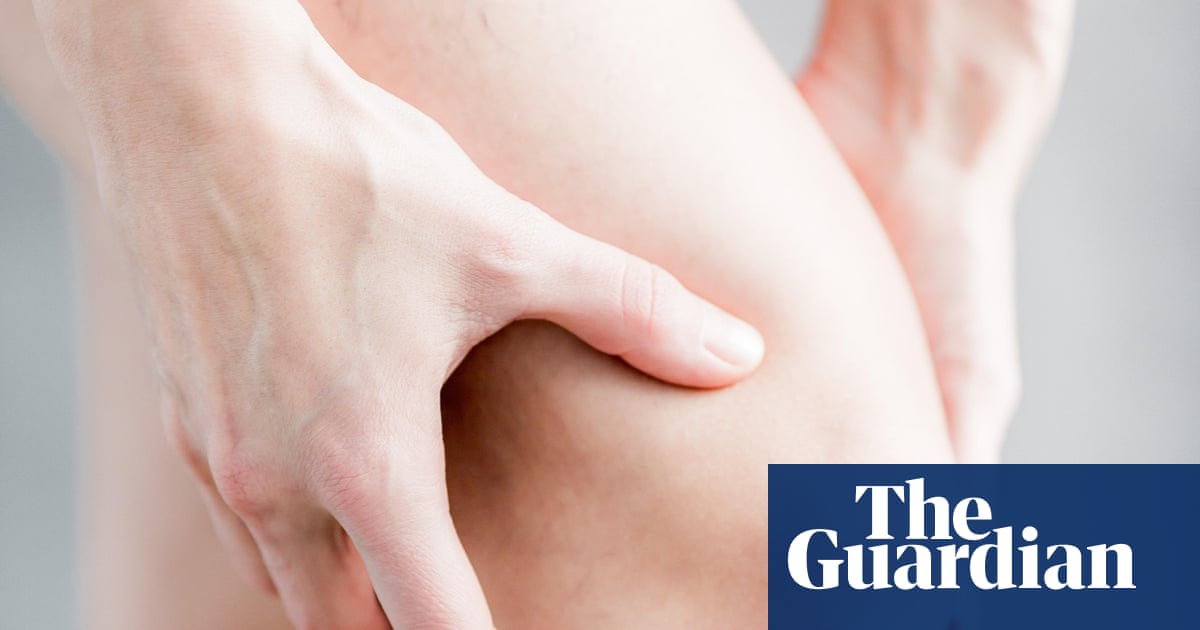
Chronic pain affects millions, substantially impacting daily life and well-being. Recent research highlights a compelling solution: structured exercise programs. these programs aren’t just about fitness; they represent a transformative approach to pain management, offering hope for a better quality of life and even a return to work for some.
The Growing Evidence for Exercise as Pain Relief
For years, healthcare professionals have understood the benefits of physical activity. Though, a new analysis demonstrates the economic and personal value of targeted exercise interventions for chronic pain. Specifically, the Nuffield Trust-funded research revealed a 10% increase in family life satisfaction among participants, valued at a ample £4,765.
This isn’t simply about feeling happier. It’s about regaining function and independence. Initially, one in four participants in a joint pain program where unable to work. Remarkably, after 12 weeks, nearly one in ten were fit to return to the workforce.
How Does Exercise Help?
The science behind this is multifaceted.Exercise isn’t a cure-all, but it addresses pain on several levels:
* Physical Strengthening: Building strength and flexibility supports joints and reduces strain.
* Endorphin Release: Physical activity triggers the release of natural pain relievers, endorphins.
* Improved Mental Wellbeing: Exercise combats stress, anxiety, and depression, all of which can exacerbate pain.
* Neuroplasticity: Movement can actually “rewire” the brain to process pain signals differently.
Professor Tim Cable,director of Manchester Metropolitan University’s institute of sport,emphasizes the “transformative role of movement” for the 25 million Britons living with long-term health conditions. He believes this research provides “a blueprint” for a nationwide,NHS-provided exercise program.
What Programs Are Already Showing Promise?
Several initiatives are already demonstrating positive results.
* escape Pain: This six-week program, combining education, exercise, and self-management techniques, has helped 15,000 people with arthritis improve thier quality of life and save the NHS resources.
* Nuffield Joint Pain Program: This program, as highlighted in the initial research, shows meaningful improvements in life satisfaction and return-to-work rates.
the path Forward: Integrating Exercise into NHS Care
The analysis strongly recommends that the NHS incorporate structured exercise programs into its best practice guidelines. Furthermore, hospitals and GPs should proactively refer eligible patients to these programs. This proactive approach could significantly reduce the burden of chronic pain on individuals and the healthcare system.
Addressing the Challenges & Realistic Expectations
While the benefits are clear, it’s crucial to acknowledge the hurdles. Deborah Alsina, chief executive of Versus Arthritis, rightly points out that exercise isn’t a “solve-all.”
You may face challenges like:
* time Constraints: Fitting exercise into a busy life can be difficult.
* Access to Treatment: Long delays for diagnosis and limited treatment options remain significant barriers.
* Finding Effective Support: Navigating the healthcare system and finding the right program can be overwhelming.
It’s vital to remember that managing chronic pain is often a multi-faceted process. Exercise is a powerful tool, but it’s most effective when combined with other therapies and a supportive healthcare team.
The Future of Pain Management: A Preventative Approach
The Department of Health and Social Care recognizes the impact of chronic pain. Their 10-year health plan focuses on shifting care from simply treating illness to preventing it.
This includes:
* Leveraging Technology: Providing access to wearable technology to help people stay active, notably in underserved communities.
* Promoting Early Intervention: Identifying and addressing pain early on to prevent it from becoming chronic.
* Empowering Patients: Giving you the tools and knowledge to manage yoru pain effectively.
Taking Control of Your Pain
If you’re living with chronic pain, don’t lose hope. Talk to your doctor about whether a structured exercise program is right for you. You deserve to live





![LIV Golf Retirement: [Pro’s Name] Announces Shock Exit
OR
[Pro’s Name] Retires From LIV Golf: The Real Reason Why
OR
Surprise LIV Golf Exit: [Pro’s Name] Announces Retirement
OR
LIV Golf News: [Pro’s Name] Unexpectedly Retires – Details](https://i0.wp.com/golf.com/wp-content/uploads/2025/12/mito-pereira-liv-retirement.jpg?resize=150%2C100&ssl=1 "LIV Golf Retirement: [Pro’s Name] Announces Shock Exit
OR
[Pro’s Name] Retires From LIV Golf: The Real Reason Why
OR
Surprise LIV Golf Exit: [Pro’s Name] Announces Retirement
OR
LIV Golf News: [Pro’s Name] Unexpectedly Retires – Details")

