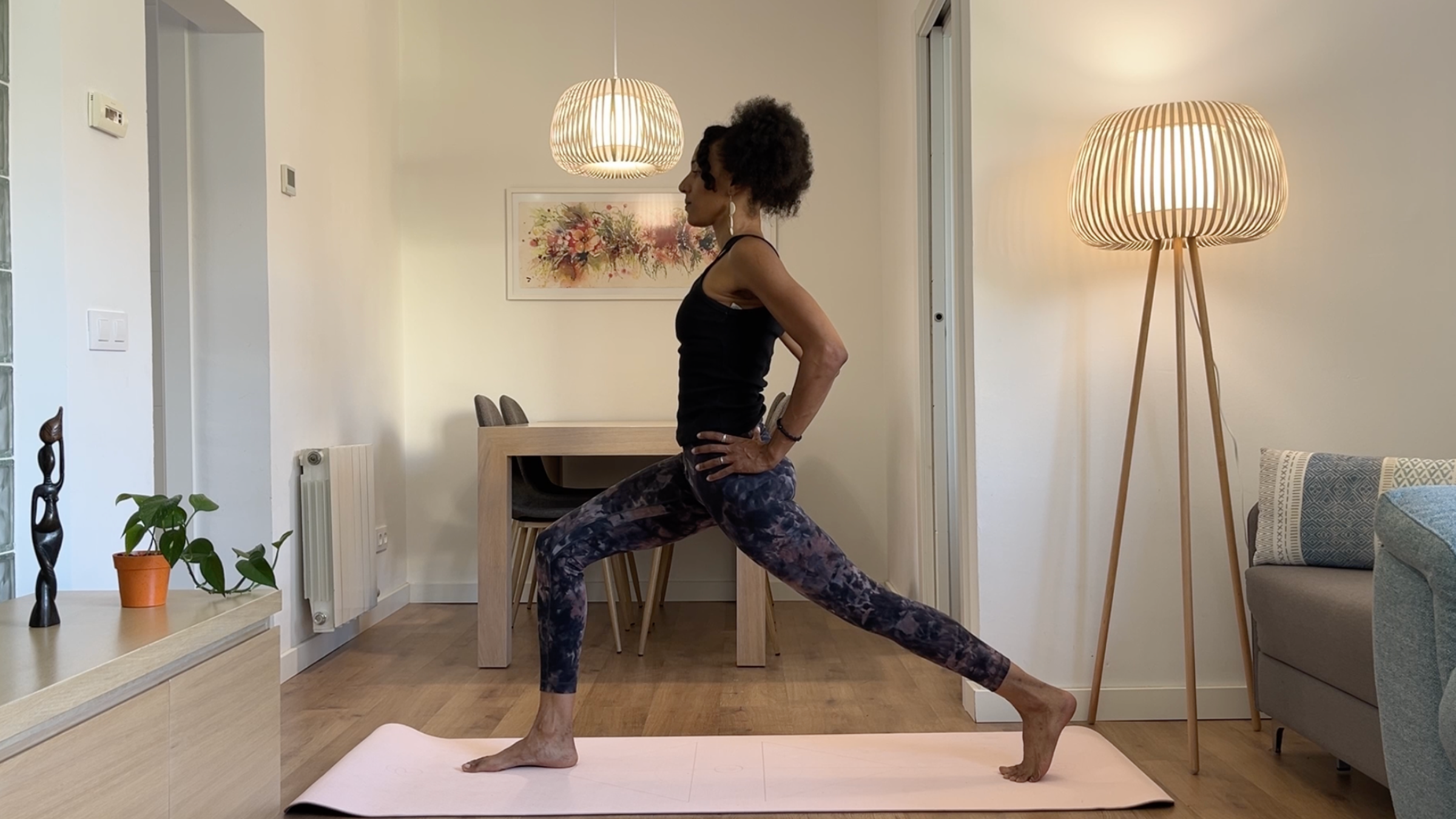
Returning to a yoga practice after a hiatus requires a measured approach that prioritizes consistency over intensity. For many practitioners, the most effective way to re-establish a routine is to commit to shorter, manageable sessions—such as a 20-minute yoga flow—rather than attempting to replicate previous levels of endurance immediately. According to guidance from the National Center for Complementary and Integrative Health (NCCIH), yoga can improve general wellness and relieve stress, but beginning at a pace that respects current physical limitations is essential for preventing injury and maintaining long-term adherence.
As a physician, I frequently see patients who struggle with the “all-or-nothing” mentality when restarting physical activity. When you step back onto the mat, your body may not respond with the same flexibility or strength you possessed months or years ago. This is a normal physiological response to detraining. By focusing on a 20-minute window, you lower the barrier to entry, making it easier to integrate movement into a busy schedule while allowing your neuromuscular system to recalibrate safely.
The Physiological Advantages of Short-Duration Sessions
Shorter sessions are not merely a compromise; they are a strategic tool for habit formation. Research published by the Mayo Clinic indicates that the benefits of yoga, including improved balance, strength, and flexibility, are cumulative. You do not need an hour-long session to derive physiological value. A 20-minute practice is sufficient to engage the parasympathetic nervous system, which helps lower cortisol levels and mitigates the physiological effects of chronic stress.

When returning to the mat, the primary goal should be “mindful movement.” This means focusing on the quality of breath and alignment rather than the depth of a pose. For those who have taken a break, the muscles and connective tissues require time to regain their elasticity. Forcing deep stretches too quickly can lead to strain. Instead, use these 20 minutes to perform foundational movements—such as Cat-Cow, Downward-Facing Dog, and gentle spinal twists—which serve as an effective “reset” for both the musculoskeletal and nervous systems.
Structuring Your 20-Minute Return
To maximize your 20 minutes, consider a structured approach that avoids the need for complex decision-making. A simple, repeatable framework helps reduce the mental fatigue that often accompanies the start of a new routine. The American Heart Association highlights that consistent, moderate physical activity is key to cardiovascular health, and yoga can be a vital component of this regimen when approached with care.

Consider this recommended flow for your 20-minute sessions:
- Minutes 0–5: Grounding and Breathwork. Sit in a comfortable position. Focus on deep, diaphragmatic breathing to center your attention.
- Minutes 5–15: Gentle Flow. Move through basic sun salutations or floor-based movements. Keep the pace slow to ensure you are listening to your body’s feedback.
- Minutes 15–20: Restorative Poses. Conclude with a reclined posture or a gentle hip opener to allow the nervous system to settle before you transition back to your daily tasks.
Managing Expectations and Safety
It is important to distinguish between the sensation of “working” a muscle and the sensation of sharp, localized pain. If you experience pain, particularly in the joints, stop immediately. According to the U.S. Department of Health and Human Services (HHS), the Physical Activity Guidelines for Americans emphasize that adults should listen to their bodies and modify activities based on their current fitness level. There is no requirement to perform advanced inversions or deep backbends to achieve the health benefits of a yoga practice.
If you have underlying health conditions, such as hypertension, arthritis, or a history of spinal injury, consult your primary care physician before beginning a new physical routine. This is particularly relevant if you have been sedentary for an extended period. Your physician can provide personalized guidance on which poses to avoid or modify to ensure your return to yoga remains a positive, injury-free experience.
Building Consistency Over Time
The success of your return depends on your ability to show up consistently rather than the intensity of any single session. If 20 minutes feels daunting on a particular day, aim for 10. The objective is to maintain the habit of movement. By keeping the session brief, you minimize the “excuse-making” phase that often happens when we feel overwhelmed by the prospect of a long workout.

As you build momentum, you may find that your body naturally begins to crave longer sessions or more challenging poses. This is the natural progression of a sustainable practice. Listen to those signals, but do not feel pressured to accelerate your timeline. Yoga is a lifelong practice, and there is no deadline for returning to your previous level of proficiency. Focus on the present moment, prioritize your breath, and acknowledge the progress you make each time you step onto your mat.
Dr. Helena Fischer is the Editor of Health at World Today Journal. She holds an MD from Charité – Universitätsmedizin Berlin and focuses on public health and medical innovation. For more updates on wellness and evidence-based health practices, join the conversation in our comments section below.