
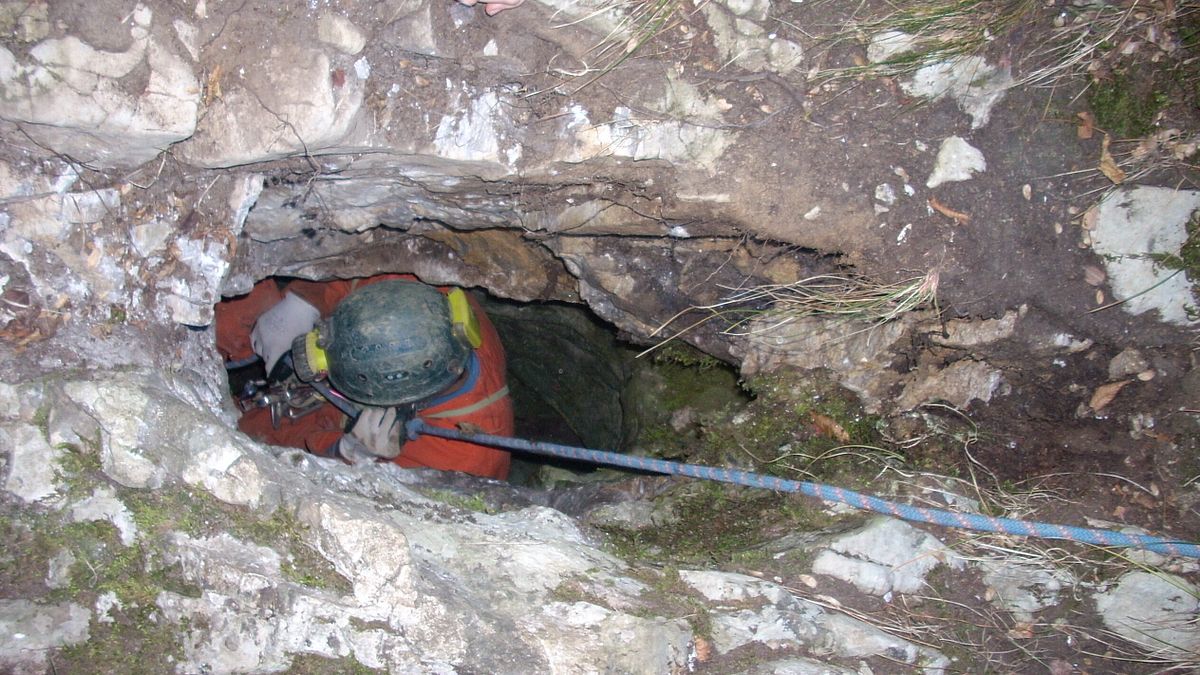
A high-stakes rescue operation is currently unfolding in the rugged terrain of the Piedmont region as emergency responders work to extract a 20-year-old speleologist trapped deep within a cave system. The individual, a resident of Liguria, is reportedly pinned by a large rock at a depth of approximately 120 meters within the Grotta dei Cinghiali Volanti, located in the municipality of Garessio, in the province of Cuneo.
The incident, which was reported late yesterday afternoon, has triggered a massive multi-regional response involving specialized Alpine and Speleological rescue units. While the victim remains conscious and is reportedly cooperating with medical personnel, the technical complexity of the environment and the nature of the entrapment present significant challenges for the teams working to secure his release.
Rescue efforts are being coordinated by the Piedmontese Alpine and Speleological Rescue (Soccorso Alpino e Speleologico), with additional support mobilized from the Ligurian and Lombardy delegations. The operation is not merely a matter of physical extraction but a delicate medical and technical maneuver designed to stabilize the victim before attempting to move the debris pinning his leg.
The Incident: A Sudden Entrapment in the Grotta dei Cinghiali Volanti
The emergency was first signaled around 17:00 local time when the young man’s companions alerted authorities to the accident. Preliminary reports suggest that the entrapment occurred during a routine passage through a narrow section of the cave. As the speleologist moved through the passage, a large rock or boulder reportedly detached from the cave ceiling or wall, falling and pinning the individual’s leg.
The Grotta dei Cinghiali Volanti is situated within the Rocca d’Orse karst area, a region known for its complex and sometimes unpredictable geological formations. This area, located in the Val d’Inferno, is a frequent destination for geologists, explorers, and experienced hikers due to its striking natural beauty and challenging terrain. However, the very characteristics that make it a site of scientific interest—its deep fissures and limestone structures—also contribute to the inherent risks of subterranean exploration.
To maintain a vital link with the surface, rescue teams have successfully established a dedicated telephone line into the cave. This communication channel allows medical professionals and incident commanders to monitor the victim’s status in real-time, which is critical given the depth and the physical isolation of the site.
Technical Complexity: The Multi-Regional Rescue Effort
Cave rescues are widely considered among the most difficult operations performed by emergency services. Unlike mountain rescues, which often deal with elevation and weather, speleological rescues must contend with extreme confinement, total darkness, verticality, and the constant threat of further geological instability.

The current operation in Garessio involves several specialized layers of expertise:
- Alpine and Speleological Rescue Units: These teams are trained in technical rope work and navigating highly constricted environments.
- Specialized Extrication Teams (Disostruttori): These technical specialists are specifically tasked with the “unblocking” or “disobstruction” process. Their role is to study the weight, stability, and positioning of the rock pinning the victim to determine the safest method for moving it without causing further injury or triggering a secondary collapse.
- Medical Commission: Because the victim is trapped at significant depth, medical teams must be able to provide advanced life support in a confined space, ensuring that the physiological impact of the injury and the stress of the situation do not escalate.
- Inter-Regional Cooperation: The involvement of rescue delegations from Piedmont, Liguria, and Lombardy underscores the scale of the mobilization required for such a specialized event.
The strategy currently being employed involves a dual focus: medical stabilization and technical assessment. Rescuers are working to ensure the victim’s health remains stable while simultaneously calculating the most effective way to shift the rock. Once a safe method of movement is identified, the extraction process will begin, which may require the victim to be carefully moved through narrow passages to reach the surface.
The Perils of Karst Exploration: Understanding the Val d’Inferno
The geological setting of the rescue—the Rocca d’Orse in the Val d’Inferno—is a classic example of a karst landscape. Karst topography is formed by the dissolution of soluble rocks, such as limestone or dolomite, by water. This process creates a labyrinth of sinkholes, underground rivers, and expansive cave systems.
While these environments are invaluable for studying Earth’s hydrological cycles and biological diversity, they are notoriously unstable. The movement of water through these systems can cause internal erosion, leading to the sudden detachment of rocks or the shifting of entire cave segments. For speleologists, this means that even well-mapped routes can present sudden, unforeseen hazards.
The Val d’Inferno is characterized by its “aspra” or rugged nature, making even the approach to the cave entrance a logistical challenge for rescue teams carrying heavy equipment. The combination of steep terrain and the verticality of the cave itself means that every meter of progress for the rescuers is hard-won.
Key Takeaways from the Garessio Rescue Operation
As the operation continues, several critical factors define the current situation:

- Victim Status: The 20-year-old remains conscious and is actively communicating with rescuers, which is a positive indicator for medical management.
- Primary Challenge: The physical obstruction caused by a large rock pinning the victim’s leg at a depth of 120 meters.
- Technical Approach: Specialists are utilizing a combination of medical monitoring and advanced technical extrication to prevent further injury during the move.
- Logistical Scale: A major coordinated effort involving multiple regional rescue delegations and specialized medical and technical teams.
The success of the mission depends on the precision of the extrication teams and the continued stability of the cave environment. The next phase of the operation will involve the actual movement of the rock and the subsequent vertical transport of the victim to the surface.
Official updates regarding the victim’s condition and the progress of the extraction are expected as the rescue teams reach key milestones in the operation. We will continue to monitor the situation as more information becomes available from the Piedmontese rescue authorities.
Next Update: Expected following the completion of the technical assessment by the extrication teams.
To stay informed on this developing story and other global breaking news, please share this article and follow our updates. What are your thoughts on the increasing complexity of technical rescue operations? Let us know in the comments below.