
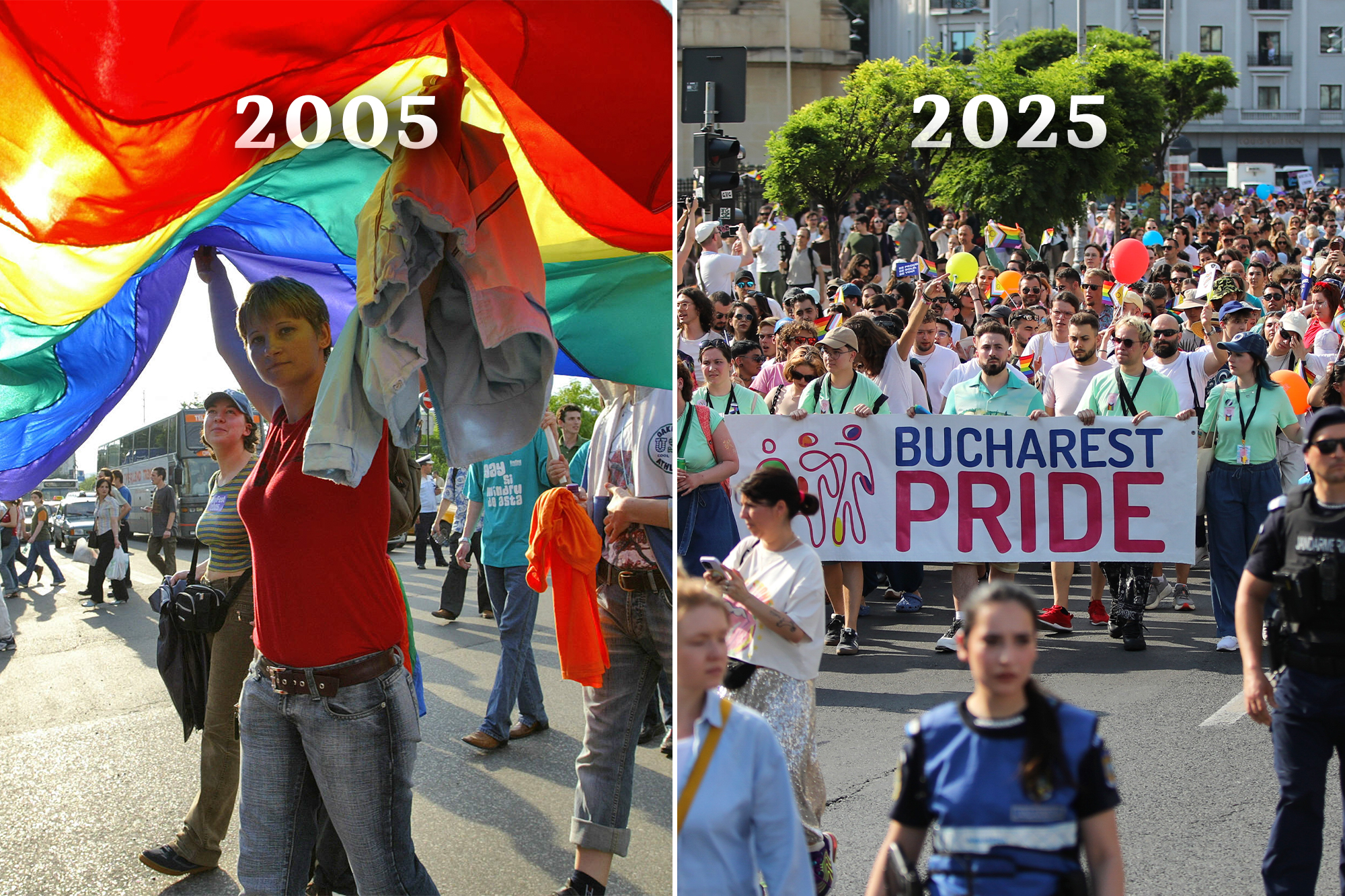
The Bucharest Pride march has evolved from a small, heavily policed demonstration two decades ago into one of Romania’s most prominent public events for the LGBTQ+ community. While early iterations faced significant hostility and state-imposed restrictions, recent years have seen the march draw thousands of participants to the capital’s streets, signaling a shift in public visibility despite persistent legislative and social challenges regarding civil rights.
As the event prepares for its next installment, organizers and human rights observers continue to weigh the progress of visibility against the current legal framework in Romania. Although street presence has grown, the community remains largely excluded from key legal protections, such as marriage equality or civil partnerships, which remain unrecognized under the Romanian Civil Code.
Two Decades of Public Visibility in Bucharest
The history of Bucharest Pride is marked by a transition from relative isolation to mass public engagement. Twenty years ago, the first marches were characterized by a heavy presence of the Gendarmerie—the national gendarmerie force—which served to separate participants from counter-protesters. During those formative years, activists reported being met with organized opposition, including public protests from religious groups and local residents who challenged the legitimacy of the march.
According to reports from the national broadcaster Radio România Cultural, the journey of the LGBTQ+ community in Romania has been defined by a paradox: while the community has become increasingly visible in the public square, it remains largely “invisible” within the nation’s legal system. This disparity highlights the tension between social expression and the lack of institutional recognition for same-sex couples, a core issue for organizers who view the march as a platform for advocacy rather than just a celebration.
Current Landscape and Institutional Context
The upcoming Bucharest Pride event is scheduled to feature a mix of local and international performers, including figures from the global drag scene, such as Pakita, a contestant from RuPaul’s Drag Race España. These cultural elements are hosted in public spaces like Izvor Park, reflecting a level of municipal cooperation that was unavailable during the early 2000s. The coordination involves various stakeholders, including the Bucharest City Hall, which facilitates permits for the route and the associated public gatherings.

However, the march continues to draw opposition from traditionalist organizations. The Basilica News Agency, the official media outlet of the Romanian Orthodox Church, has frequently published calls for the “defense of Christian values” in the days leading up to the parade. These statements often emphasize the church’s stance on the traditional family unit, creating a recurring point of friction that is reflected in the heavy security presence that remains a standard feature of the event today.
Legal Status and Ongoing Advocacy
Despite the growth in participant numbers, the legal status of LGBTQ+ individuals in Romania has seen few advancements. The European Court of Human Rights (ECHR) issued a landmark ruling in the case of Buhuceanu and Others v. Romania in 2023, which found that Romania failed to provide any legal framework to recognize and protect same-sex unions. This ruling, accessible via the ECHR HUDOC database, remains a primary reference point for activists who argue that the state is in violation of its obligations to provide protection for private and family life.

For those tracking the movement’s progress, the discrepancy between the ECHR ruling and the lack of domestic legislative action is a central focus. While the march serves as a barometer for social tolerance, legal experts frequently point to the Romanian Parliament as the primary venue where change must occur. As of mid-2024, no comprehensive legislation for civil unions has been passed by the national legislature, leaving same-sex couples without the legal protections afforded to heterosexual couples under the Civil Code.
Looking Ahead: The Next Steps for Organizers
The Bucharest Pride march remains a fixed date on the city’s calendar, typically occurring in the summer months. Organizers continue to provide updates via official social media channels and the ACCEPT Association, the primary NGO responsible for the logistics and advocacy surrounding the event. For participants and observers, the focus is currently on the implementation of the ECHR ruling and the ongoing dialogue with municipal authorities regarding safety and access to public space.

The next major update regarding the event’s logistics and schedule will be provided by the organizing committee in the weeks preceding the march. For those interested in the legal developments, monitoring the status of draft bills in the Chamber of Deputies and the Senate of Romania remains the most reliable way to track potential changes to the legal status of civil partnerships. Readers are encouraged to follow the official announcements from the organizers and to engage with the ongoing public discourse surrounding human rights in the country.