2025: A Year of Climate Breakdown – The Human and Economic Costs Mount
The year 2025 will be remembered as a stark turning point in the climate crisis, marked by a relentless surge in extreme weather events that inflicted devastating human and economic costs across the globe. A new report reveals a year defined not by isolated incidents, but by a clear pattern of escalating disasters directly linked to continued fossil fuel reliance and insufficient political action. This analysis delves into the key findings, highlighting the disproportionate impact on vulnerable populations and the urgent need for accelerated climate action.
The Economic Toll: Exceeding $122 Billion and Counting
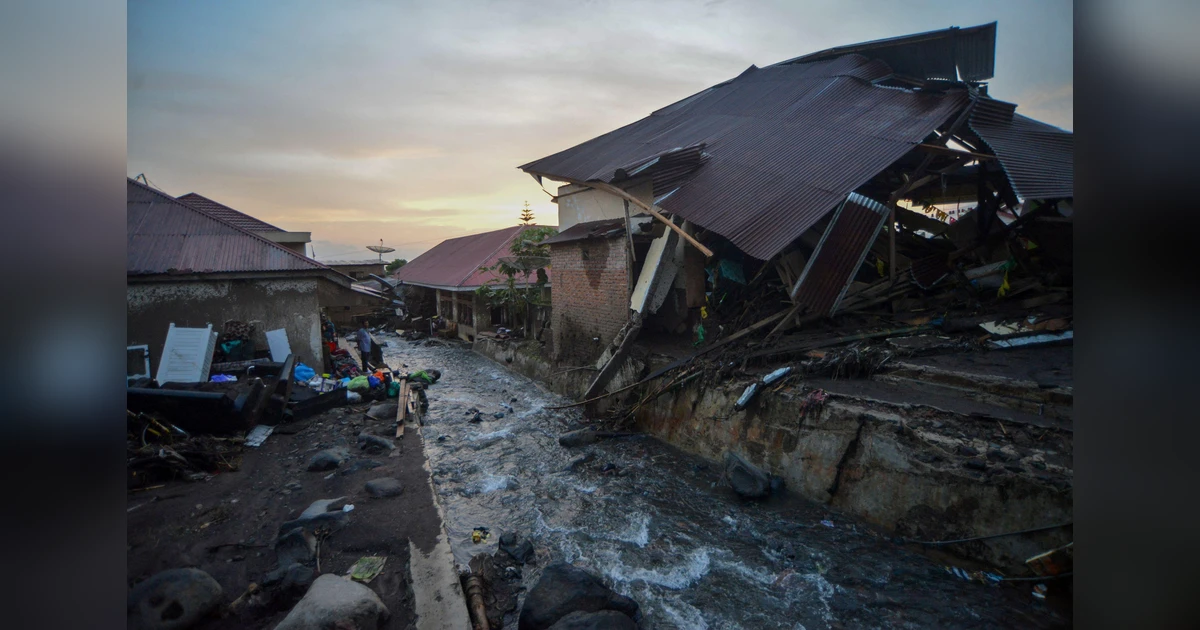
The financial impact of climate-related disasters in 2025 was staggering. The ten most costly events alone resulted in over $122 billion in damages, with insured losses representing only a fraction of the true economic burden. The California wildfires topped the list, causing $60 billion in damage and tragically claiming over 400 lives. Southeast asia followed closely, enduring cyclones and floods that inflicted $25 billion in damage and resulted in over 1,750 fatalities across Thailand, Indonesia, Sri Lanka, Vietnam, and Malaysia. Devastating floods in China caused $11.7 billion in damage and displaced thousands.
These figures, while substantial, paint an incomplete picture. The report emphasizes that the true financial costs are significantly higher when considering uninsured losses, particularly in developing nations.Furthermore,the immeasurable human cost – loss of life,displacement,and long-term health impacts – remains largely unaccounted for in purely economic assessments.
Beyond the Headlines: The Uneven Distribution of Suffering
While the most financially costly disasters often occurred in wealthier nations, the report underscores the disproportionate suffering experienced by poorer countries. Events in Nigeria, the Democratic republic of congo, Iran, and West Asia, though not ranking among the top ten in terms of insured losses, were profoundly devastating. Flooding in Nigeria in May potentially led to 700 deaths, while a prolonged drought in Iran and West Asia threatened the evacuation of 10 million residents of Tehran due to a critical water crisis. These nations, contributing the least to greenhouse gas emissions, are bearing the brunt of a crisis they did not create and have limited resources to address.
A global Crisis: No Continent Spared
The geographic scope of the 2025 climate disasters was truly global. From drought in Brazil and wildfires in Spain and Portugal to cyclones in Australia and off the coast of Africa, every populated continent experienced crippling climate impacts.Asia was particularly hard hit, with flooding in India and Pakistan killing over 1,860 people and affecting over 7 million in Pakistan alone. Typhoons in the Philippines displaced over 1.4 million people,causing over $5 billion in damage.
Unusual Extremes and Emerging Threats
Beyond the expected patterns of extreme weather, 2025 witnessed several unusual and alarming events. Record-breaking heat fueled wildfires in the Scottish Highlands,burning 47,000 hectares. Japan experienced a year of both extreme snowstorms and record-breaking heatwaves, demonstrating the increasing volatility of weather patterns. Moreover, concerning climate-related extremes were recorded in Antarctica and the worldS oceans, including record-breaking sea temperatures and widespread coral bleaching in Western Australia, posing critically important threats to biodiversity.
expert Commentary: A Direct Link to Fossil Fuels and Political Inaction
“These disasters are not natural; they are the predictable result of continued fossil fuel expansion and political delay,” stated Emeritus Professor Joanna Haigh of Imperial College London. This sentiment is echoed by Patrick Watt, CEO of christian Aid, who emphasized that the events of 2025 are “a warning of what lies ahead if we do not accelerate the transition away from fossil fuels.” Watt further highlighted the urgent need for adaptation measures, particularly in the Global South, where communities are most vulnerable.
The Path Forward: Urgent Action Required
The findings of this report are a clear call to action. Addressing the climate crisis requires a two-pronged approach:
* Rapid Decarbonization: an immediate and aggressive transition to renewable energy sources is paramount. Continued investment in fossil fuels will only exacerbate the problem and lead to more frequent and severe disasters.
* Increased Funding for Adaptation and Resilience: Vulnerable nations require substantial financial assistance to adapt to the impacts of climate change and build resilience to future shocks. This includes investments in infrastructure, early warning systems, and disaster preparedness.
The events of 2025 serve as a stark reminder that climate change is not a distant threat; it is a present reality with devastating consequences. The time for incremental change is over.
Worth a look