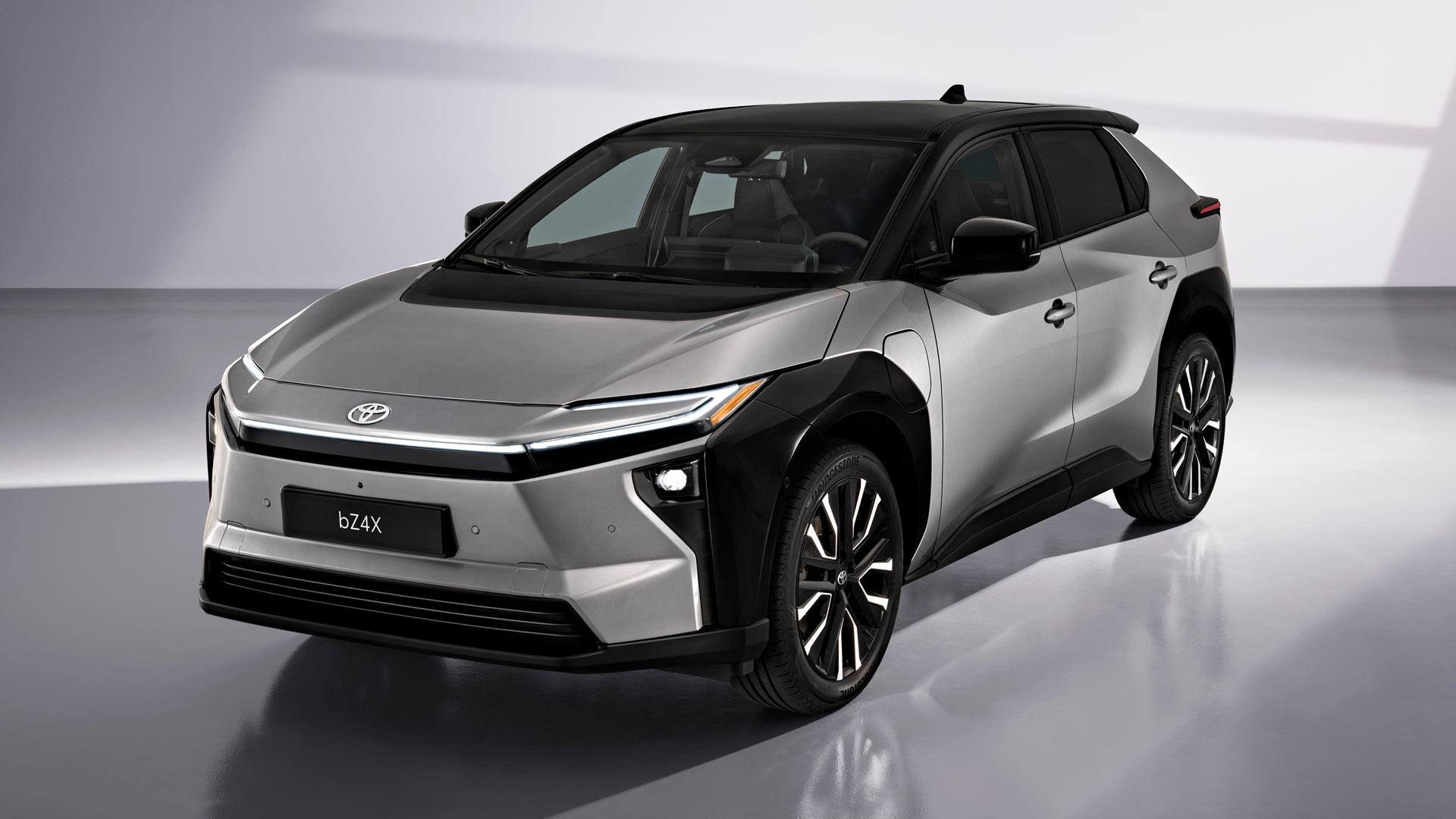
As the automotive industry accelerates its transition toward electrification, Toyota has moved to refine its strategy for the compact SUV segment. The 2026 Toyota bZ, formerly known by the alphanumeric designation bZ4X, represents a strategic pivot for the manufacturer, focusing on enhanced technical capabilities and a more accessible identity for the global market. This update marks a significant evolution in Toyota’s electric vehicle roadmap, addressing long-standing consumer feedback regarding powertrain performance and charging efficiency.
For prospective buyers and industry analysts, the 2026 Toyota bZ model year introduces a suite of revisions that aim to sharpen its competitiveness in an increasingly crowded field. With a revised naming convention, the vehicle is designed to streamline the consumer experience, moving away from more complex identifiers to a simplified branding approach. This shift aligns with broader industry trends where manufacturers are prioritizing intuitive model identification to facilitate easier consumer navigation in digital retail environments.
Engineering Improvements and Performance Metrics
The 2026 iteration of the Toyota bZ brings notable enhancements to its electric powertrain and charging architecture. According to technical assessments, the vehicle now offers increased power output across its various configurations. Front-wheel-drive models have received a performance boost, with some variants now capable of producing 221 horsepower, while all-wheel-drive versions see a more substantial increase to 338 horsepower. These adjustments are intended to provide a more responsive driving experience, addressing previous criticisms of the vehicle’s handling dynamics. Detailed specifications and performance ratings for the 2026 model are available via the official review and specifications portal.
Beyond raw power, the 2026 bZ benefits from improvements in its battery and charging systems. These technical refinements are critical for maintaining viability in the electric compact SUV segment, where range capabilities and charging speeds are primary drivers of consumer purchasing decisions. The vehicle continues to offer both front-wheel and all-wheel-drive configurations, providing flexibility for different driving conditions and regional preferences. The EPA-estimated range for the updated model now spans between 236 and 314 miles, depending on the chosen configuration and trim level.
Market Positioning and Competitive Landscape
In the current market, the 2026 Toyota bZ is positioned to compete against established electric utility vehicles. Its pricing structure, which ranges from approximately $36,495 to $46,895, places it in direct competition with other popular electric SUVs. This pricing strategy reflects Toyota’s effort to balance technological upgrades with market-accessible entry points. As manufacturers navigate the complexities of global supply chains and shifting regulatory environments, the ability to maintain competitive pricing while delivering meaningful performance updates remains a central challenge for legacy automakers.
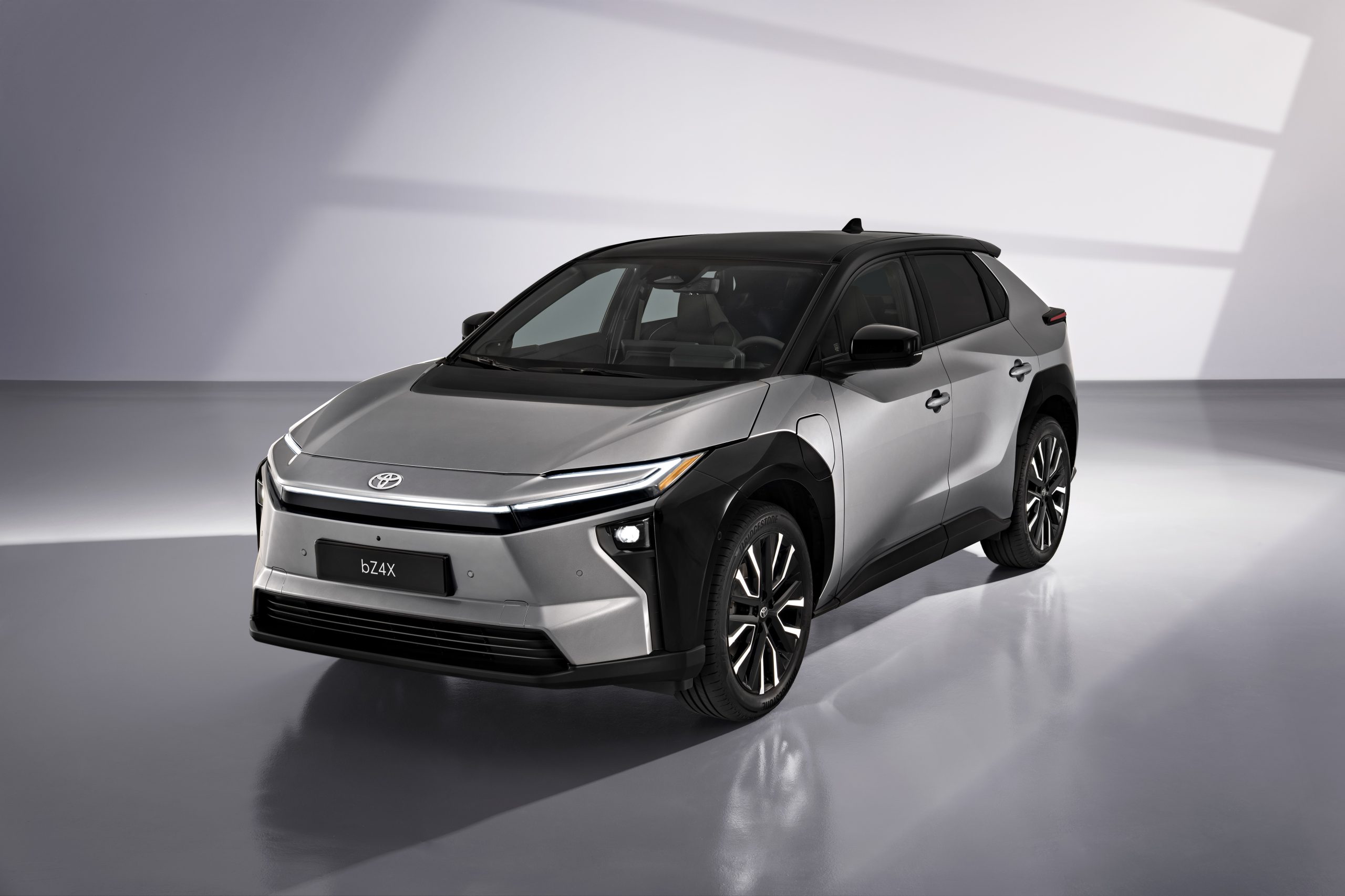
Industry experts note that the success of the 2026 bZ will depend not only on its technical specifications but also on the brand’s ability to communicate these changes effectively to a consumer base that is increasingly discerning regarding electric vehicle infrastructure and longevity. Toyota’s commitment to a three-year or 36,000-mile limited warranty provides a baseline of support for new owners, although the long-term reliability of these updated systems will be a key metric for future market evaluation.
Consumer Considerations and Future Outlook
For those evaluating the 2026 Toyota bZ, the improvements to the interior layout and the overall packaging represent a response to user feedback regarding ergonomics and cabin comfort. The transition to a more simplified model name is likely to assist in long-term brand recognition, helping the vehicle stand out in a digital-first sales landscape. As we look toward the 2027 model year, the industry anticipates further refinement of Toyota’s electric platform as the company continues to integrate feedback from its growing user base.

Prospective buyers are encouraged to consult official dealership resources to view local inventory and specific pricing details, as regional market factors can influence availability and final acquisition costs. For ongoing updates on vehicle safety, technical recalls, or official performance bulletins, owners should monitor the manufacturer’s primary support channels regularly. As the automotive market continues to evolve, the 2026 bZ stands as a reflection of Toyota’s ongoing efforts to balance its heritage in automotive manufacturing with the demands of the modern, electrified era.
If you have questions about the latest developments in the automotive sector or wish to share your perspective on the shift toward electric mobility, please join the conversation in the comments section below. Your insights are a valuable part of our ongoing financial and industry coverage.
Related reading