
As the global economic landscape continues to shift, diplomatic representatives from the 21 member economies of the Asia-Pacific Economic Cooperation (APEC) have gathered in China for a critical series of discussions. The 2026 APEC Second Senior Officials’ Meeting (SOM2) and its associated events, held in Shanghai from May 11 through May 19, serve as a pivotal checkpoint for the organization’s regional trade and cooperation agenda for the year.
The South Korean Ministry of Foreign Affairs, the government body responsible for overseeing the nation’s diplomatic strategy and international cooperation, has dispatched a delegation to participate in these proceedings. The delegation’s presence underscores Seoul’s ongoing commitment to strengthening economic ties and navigating the complexities of regional supply chains, digital trade, and sustainable growth within the Asia-Pacific region. For further information on the ministry’s structure and its role in international affairs, you may visit the official website of the Ministry of Foreign Affairs of the Republic of Korea.
Understanding the Role of the APEC SOM2
The Senior Officials’ Meeting (SOM) process is the engine room of APEC’s annual work cycle. These meetings bring together senior diplomats and trade officials to refine the policy initiatives that will eventually be presented to the APEC Economic Leaders during the annual summit held later in the year. The SOM2 is particularly significant as it marks the transition from broad conceptualization to the development of actionable policy frameworks.
According to the APEC Secretariat, the agenda for these meetings typically covers a wide array of interconnected issues, including regional economic integration, the facilitation of trade, and the promotion of inclusive and sustainable growth. By engaging in these high-level discussions, South Korean officials aim to align national economic interests with broader regional standards, ensuring that the country remains a competitive player in a rapidly evolving market.
South Korea’s Diplomatic Priorities in the Asia-Pacific
The participation of the Ministry of Foreign Affairs in the Shanghai meetings reflects a broader strategy of “practical diplomacy.” This approach emphasizes the protection of national interests through active engagement in multilateral forums. As the world faces challenges ranging from geopolitical tensions to the need for a green energy transition, the role of diplomatic bodies in facilitating dialogue between nations is more critical than ever.
The South Korean government maintains a robust administrative structure to manage these complex responsibilities. The Ministry of Foreign Affairs, headquartered in the Government Complex Seoul, coordinates across various departments to ensure that foreign policy remains consistent with domestic economic goals. From managing the issuance of travel documents through the official passport portal to negotiating intricate trade agreements, the ministry acts as the primary interface between the Republic of Korea and the international community.
Key Focus Areas for 2026
While the specific outcomes of the Shanghai sessions are subject to the consensus-building nature of APEC, the discussions are framed by the 2026 host’s priorities. Historically, APEC meetings during this stage of the calendar focus on:
- Digital Trade Facilitation: Harmonizing standards for cross-border electronic commerce to reduce barriers for small and medium-sized enterprises (SMEs).
- Supply Chain Resilience: Addressing vulnerabilities in the movement of goods and services, a key concern for export-oriented economies like South Korea.
- Energy Transition: Collaborating on regional frameworks to support the shift toward cleaner energy sources while maintaining industrial productivity.
Looking Ahead: The Path to the Leaders’ Summit
The conclusion of the SOM2 in Shanghai on May 19 does not signal the end of the year’s diplomatic efforts. Rather, it provides the foundation for subsequent meetings, including the third senior officials’ meeting and the eventual APEC Economic Leaders’ Meeting. For South Korea, the challenge lies in maintaining a balance between its strategic alliances and its economic partnerships within the Asia-Pacific bloc.
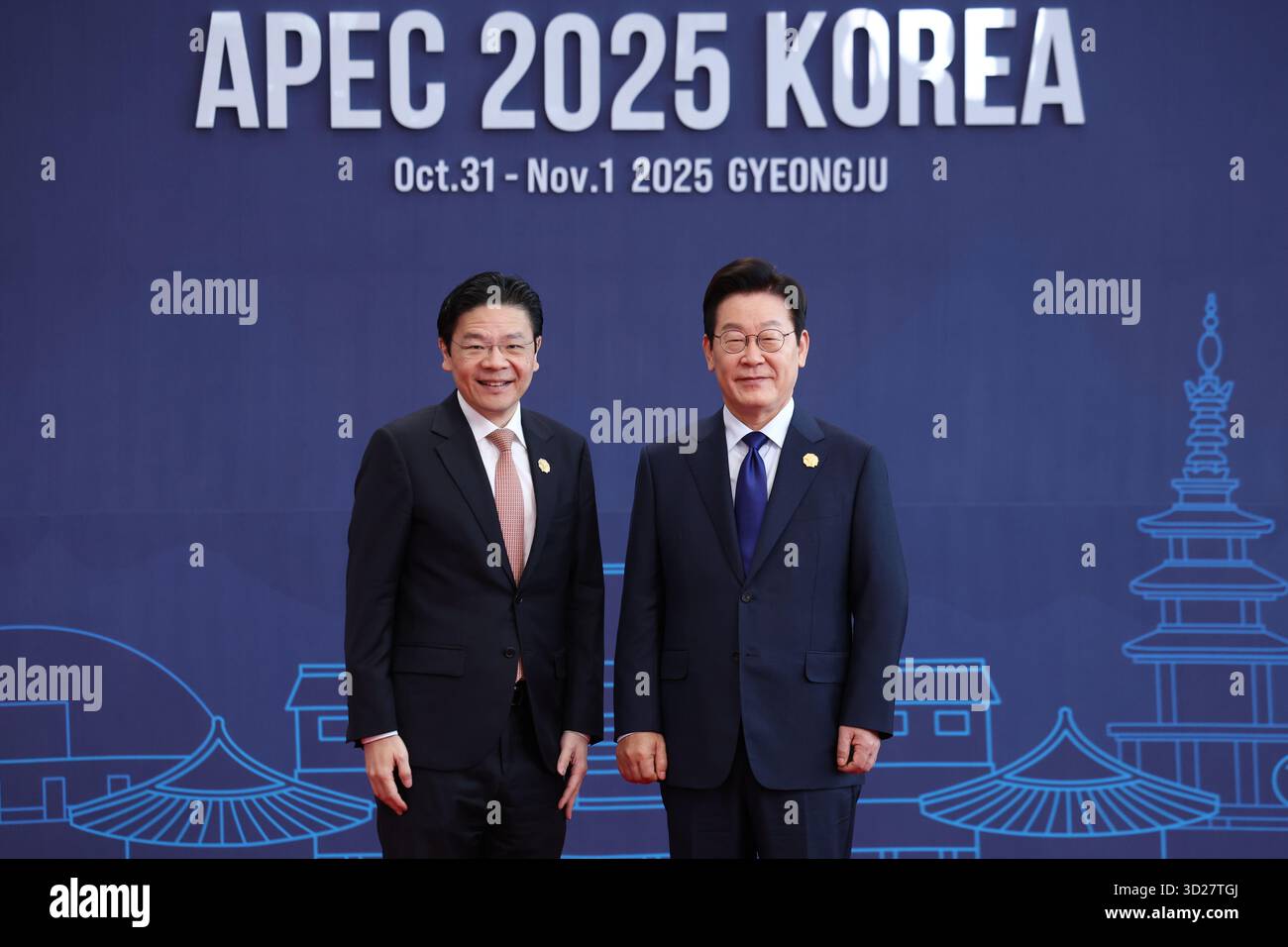
As the delegation returns to Seoul, the focus will shift toward internalizing the outcomes of the Shanghai discussions and preparing for the next phase of the APEC calendar. Observers of regional geopolitics will be watching closely to see how these discussions influence future trade policies and whether the agreements reached during this period translate into tangible benefits for the regional economy.
We invite our readers to share their thoughts on the evolving role of APEC in the current global climate. How do you see regional cooperation shaping the economic future of the Asia-Pacific? Join the conversation in the comments section below.