
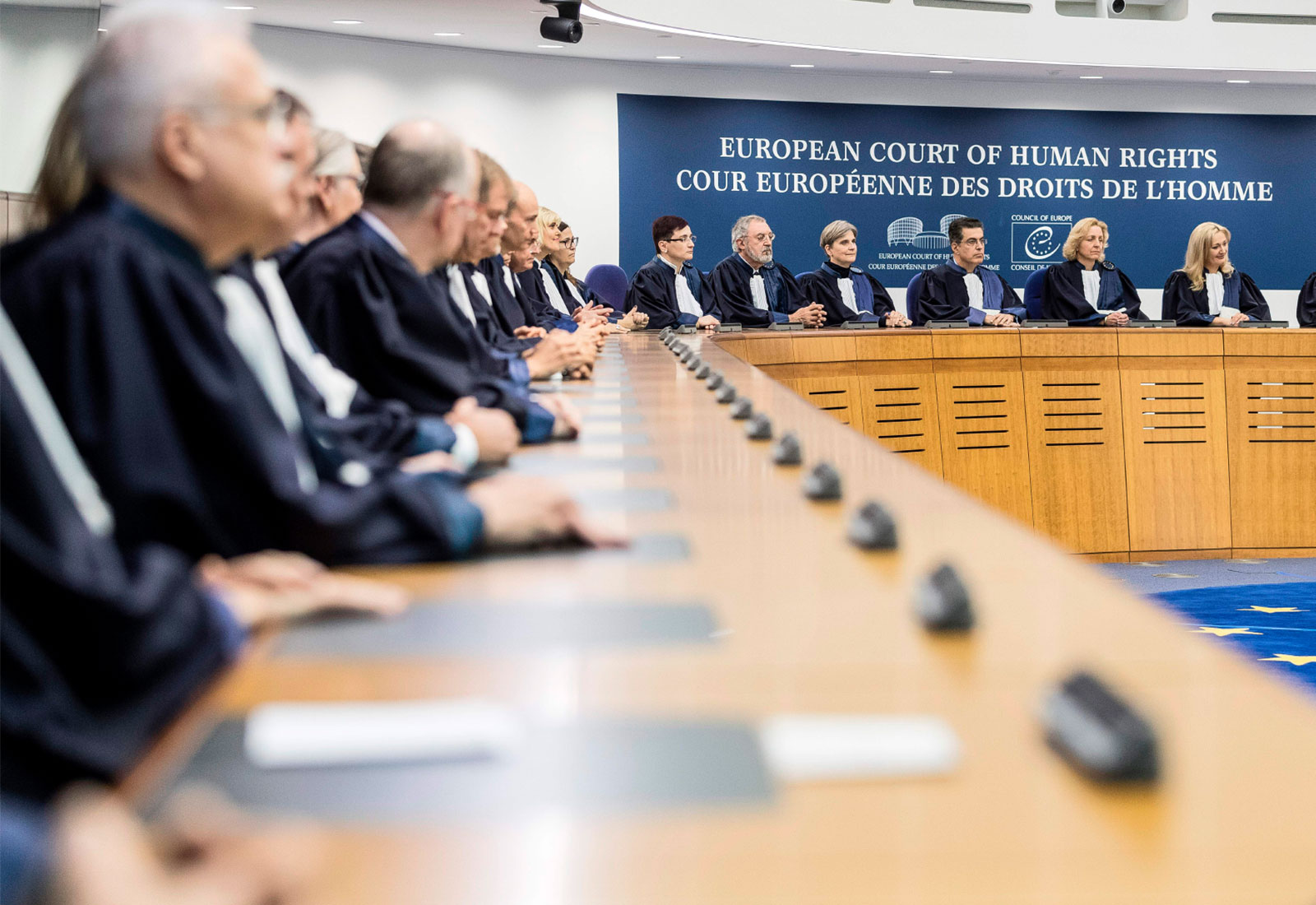
The Asociación de Fiscales (Spanish Prosecutors’ Association) has formally escalated its legal battle to the European Court of Human Rights in Strasbourg, challenging a landmark ruling by Spain’s Constitutional Court that effectively validates politically driven appointments—widely known as “dedazos”—to the country’s top prosecutor positions. The move marks a significant escalation in a dispute that has divided Spain’s judiciary and raised serious questions about the independence of the Ministerio Fiscal (Public Prosecutor’s Office) under the current government.
In a communiqué issued March 3, 2026, the association condemned the Constitutional Court’s decision as a “retrograde step” that undermines the rule of law and the impartiality of prosecutors. The filing in Strasbourg follows months of internal resistance within the Fiscalía General del Estado, where prosecutors have accused the government of systematically bypassing merit-based selection processes to install loyalists in key positions. Legal experts warn the case could set a precedent for judicial appointments across Europe, particularly in countries where political influence over prosecutors remains a contentious issue.
The Constitutional Court’s ruling, issued in January 2026, was widely interpreted as a green light for the government to continue appointing prosecutors through informal agreements (“dedazos”), a practice that has long been criticized by opposition parties, legal scholars, and international monitors. The Asociación de Fiscales argues the decision violates Article 20 of the European Convention on Human Rights, which guarantees the right to a fair trial and an independent judiciary. “This is not just about prosecutors,” said one senior member of the association, who requested anonymity. “It’s about whether citizens can trust their legal system to operate free from political interference.”
The “Dedazos” Controversy: What Happened?
The term “dedazo” (literally “finger tap”) originates from the practice of selecting candidates through backroom deals rather than transparent, meritocratic processes. In Spain, the controversy has intensified since 2023, when the government began appointing prosecutors to high-profile positions—including the Fiscalía General del Estado—without competitive examinations or public scrutiny. Critics allege these appointments have led to selective enforcement of laws, particularly in cases involving corruption or political opponents.
The Constitutional Court’s January 2026 ruling upheld the legality of these appointments, arguing that the government’s discretion in selecting prosecutors did not violate constitutional principles. However, the Asociación de Fiscales contends the ruling ignores European Court precedents, including the 2015 case Pérez de los Cobos v. Spain, which established that judicial independence requires secure tenure and protection from political pressure.
Key details from the Constitutional Court’s ruling:
- The court affirmed that the government’s power to appoint prosecutors is not absolute but must respect “objective criteria” (a term left undefined in the ruling).
- It rejected arguments that the appointments violated the principle of separation of powers, stating that prosecutors are not “judges” under the Spanish Constitution.
- The ruling left open the possibility for future challenges, particularly if prosecutors are removed or disciplined for political reasons.
Why This Matters for Spain and Europe
The case has far-reaching implications:
- Judicial Independence: Spain’s prosecutors are uniquely positioned to investigate high-level corruption, including cases involving government officials. Politically motivated appointments risk eroding public trust in the legal system.
- European Precedent: If the Strasbourg court rules against Spain, it could force a reckoning with similar practices in other EU member states, such as Hungary or Poland, where judicial appointments have also drawn criticism.
- Government Accountability: The ruling comes as Spain faces scrutiny over its handling of corruption cases, including the ongoing investigation into the Gürtel case and allegations of influence-peddling in regional governments.

The Asociación de Fiscales’ complaint to Strasbourg is not the first time Spain has been challenged over judicial independence. In 2020, the European Commission opened a rule-of-law procedure against Spain for reforms to the judiciary, though the case was later closed without a final ruling. Legal observers suggest the current dispute could reopen that dialogue.
Who Is Affected?
While the immediate impact is on Spain’s prosecutors, the stakes extend to:
- Citizens: Ordinary Spaniards may see a chilling effect on prosecutions of powerful figures if perceived as politically inconvenient.
- Businesses: Foreign investors have expressed concern about the rule of law in Spain, with some citing the lack of transparency in judicial appointments as a red flag.
- Opposition Parties: Groups like Partido Popular (PP) and Vox have long accused the government of weaponizing the prosecutor’s office against political rivals.
- European Institutions: The European Parliament’s Committee on Legal Affairs has previously called for reforms to ensure judicial independence in Spain.
The Road to Strasbourg: What Happens Next?
The European Court of Human Rights typically takes years to issue a final judgment. In the meantime:
- The Spanish government has not yet responded publicly to the complaint, though legal analysts expect it to defend the Constitutional Court’s ruling.
- The Asociación de Fiscales has vowed to gather evidence of selective prosecution and other abuses to strengthen its case.
- Protests and legal challenges within Spain are likely to intensify, with some prosecutors considering collective resignations or strikes.

A spokesperson for the Spanish Ministry of Justice declined to comment on the Strasbourg filing, citing ongoing legal procedures. However, in a March 2026 statement, the ministry reiterated its position that prosecutor appointments are a matter of executive discretion under Spanish law. “The Constitutional Court has spoken, and its ruling is final,” the statement read. “Any further challenges must respect the democratic process.”
Expert Reactions: What Legal Scholars Say
Legal experts contacted by World Today Journal described the Strasbourg complaint as a “last-resort gambit” with high risks but potentially transformative consequences.
“This is a defining moment for Spain’s democracy. If the European Court rules against the government, it will force a reckoning with a system that has allowed political patronage to corrupt the prosecutor’s office. But if it rules in favor of Spain, it could embolden other governments to further politicize their judiciaries.” — Dr. Elena Martínez, Professor of Constitutional Law, University of Madrid
Javier Pérez Royo, a former member of Spain’s Constitutional Court, warned that the case could also expose divisions within the court itself. “The January ruling was a narrow majority decision, and some of the justices who voted in favor may now face pressure to reconsider their stance in light of the Strasbourg proceedings.”
Historical Context: How Did We Get Here?
The practice of “dedazos” in Spain’s prosecutor’s office dates back decades but has accelerated under the current government. Key milestones include:
- 2018: The first major “dedazo” appointments under the current government sparked protests from prosecutors and opposition parties.
- 2021: A report by Transparency International Spain found that 60% of high-level prosecutor appointments between 2018 and 2021 lacked transparency.
- 2023: The General Council of the Judiciary issued a non-binding opinion urging reforms to appointment processes.
- 2025: The government expanded the practice to include regional prosecutors, further fueling concerns about centralization of power.
What Can Citizens Do?
While the legal battle plays out in Strasbourg, Spaniards and international observers can:
- Monitor Cases: Follow high-profile prosecutions (or lack thereof) involving corruption, organized crime, or political figures. The Asociación de Fiscales publishes regular updates on its website.
- Engage with Institutions: The Venice Commission of the Council of Europe has issued guidelines on judicial independence that could inform the Strasbourg case. Their reports are available here.
- Support Transparency: Organizations like Sociedad Civil para la Justicia advocate for open judicial appointments. Their petitions can be found here.
- Stay Informed: The European Court of Human Rights provides updates on pending cases, including this one, on its official portal.
Key Takeaways
- The Asociación de Fiscales has filed a complaint with the European Court of Human Rights challenging Spain’s Constitutional Court ruling on prosecutor appointments, arguing it violates judicial independence.
- “Dedazos” (politically driven appointments) have become a flashpoint in Spain, raising concerns about selective enforcement of laws and erosion of public trust in the legal system.
- The case could set a precedent for Europe, with implications for judicial reforms in countries like Hungary and Poland where political influence over prosecutors is also contested.
- Spain’s government has not yet responded to the Strasbourg filing, but legal experts predict a prolonged legal battle with significant domestic and international repercussions.
- Citizens and businesses are watching closely, as the outcome could impact corruption investigations, foreign investment, and Spain’s standing in the EU.
Next Steps: What to Watch For
The next confirmed checkpoint in this story is the European Court of Human Rights’ preliminary review, expected within the next 6–12 months. If the court accepts the case for a full hearing, a final ruling could take 2–3 years. In the meantime:
- April–June 2026: The Asociación de Fiscales is expected to submit additional evidence to Strasbourg, including alleged cases of selective prosecution.
- Summer 2026: Spain’s government may file its official response, potentially leading to oral arguments before the court.
- 2027: If the case proceeds, a final ruling could be issued, with potential ripple effects across Europe.
This story is developing rapidly. For updates on the Strasbourg proceedings, bookmark the European Court’s case tracker or follow @ECHR_CEDH on X/Twitter. Have questions or insights? Share them in the comments below or contact our news team.
Keep reading
- Lollapalooza 2026 Delayed by Severe Flooding in Chicago: Schedule Updates
- Swiss Police Provide Update on Illegal Alpine Pasture Occupation
- Trabzonspor President Ertuğrul Doğan Says Club Could Sell 150 Million Euros in Players (archyworldys.com)
- Beyond Robotic Dog Inspections: The Future of Industrial Automation (newsdirectory3.com)