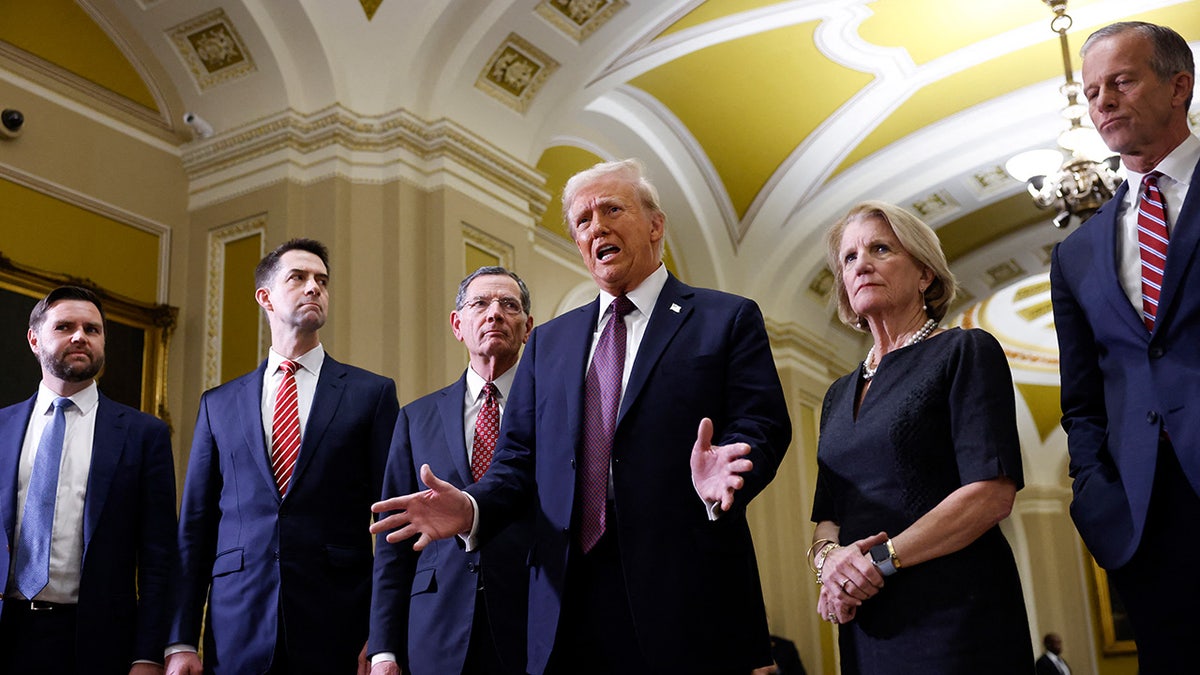
Senate Republicans have removed a $20 billion emergency food aid package pushed by Democrats from the 2024 farm bill, escalating a partisan fight over hunger relief and agricultural policy just weeks before a critical vote. The move, confirmed by Senate leadership sources, leaves the bill’s future uncertain as Democrats threaten to block the legislation without the aid provisions, which would provide nutritional assistance to millions of low-income Americans.
The 2024 farm bill, a once-in-five-years omnibus measure worth over $1 trillion, now faces a potential stalemate after Senate Agriculture Committee Chairman John Boozman (R-AR) released a draft version late last week that excluded the food aid package. The bill, which typically includes both agricultural subsidies and nutrition programs, now risks becoming a casualty of broader budget disputes in Congress.
Democrats, including Senate Agriculture Committee Ranking Member Debbie Stabenow (D-MI), have condemned the exclusion, warning it could deepen food insecurity during a period of rising inflation. “This isn’t just about politics—it’s about people who rely on these programs to put food on the table,” Stabenow said in a statement. Meanwhile, Republican leaders argue the aid package is unaffordable and should be addressed separately.
Why the Food Aid Package Was Dropped
According to Politico, the $20 billion package—part of a broader $45 billion nutrition title—was removed after Republicans and the White House failed to reach a compromise. The aid would have included:
- Emergency Supplemental Nutrition Assistance Program (SNAP) benefits for low-income households
- Funding for the Special Supplemental Nutrition Program for Women, Infants, and Children (WIC)
- Expansions to school meal programs
Senate Majority Leader Chuck Schumer (D-NY) has signaled Democrats may refuse to support the farm bill without the aid provisions, potentially derailing the legislation entirely. “We cannot turn our backs on families struggling to afford groceries,” Schumer said in a floor speech.
What Happens Next: The Farm Bill’s Uncertain Future
The Senate is expected to begin debate on the farm bill as early as next week, with a vote targeted for late June. However, the exclusion of food aid has already sparked warnings from advocacy groups like Feeding America, which serves over 40 million people annually through food banks.
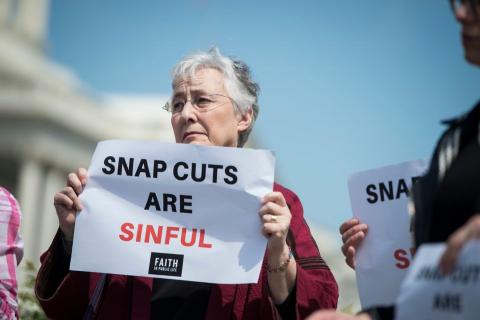
“This is a critical moment for millions of Americans facing food insecurity,” said Claire Babineaux-Fontenot, CEO of Feeding America. “The farm bill is our best chance to address hunger, and removing these provisions sends the wrong message.”
Republicans, meanwhile, have proposed an alternative plan to address food aid through separate budget negotiations, a move Democrats have dismissed as insufficient. The White House has not yet taken a public stance but has privately expressed concerns about the bill’s impact on vulnerable populations.
How This Affects Low-Income Families
The farm bill’s nutrition programs account for roughly 80% of its $1 trillion price tag, with SNAP alone serving nearly 42 million Americans monthly. The proposed $20 billion in emergency aid would have provided temporary boosts to benefit levels, which have not kept pace with inflation.
According to the U.S. Department of Agriculture, average SNAP benefits have fallen by nearly 20% in real terms since 2013. The exclusion of emergency aid could force millions to rely on food banks or cut back on meals, particularly in rural areas where grocery access is limited.
Key Stakeholders and Their Positions
The farm bill’s passage hinges on negotiations between four key groups:

- Senate Republicans: Led by Boozman, they argue the aid package is too costly and should be funded separately. “We need to focus on the core mission of the farm bill—supporting farmers and rural communities,” Boozman said in a statement.
- Senate Democrats: Led by Stabenow, they insist food aid is non-negotiable. “Hunger relief is not optional,” Stabenow said. “It’s a moral obligation.”
- The White House: Has not yet endorsed the bill but has signaled concerns over the aid exclusion. Administration officials are reportedly working behind the scenes to broker a deal.
- Advocacy Groups: Organizations like the Food Research & Action Center (FRAC) and Bread for the World have launched campaigns urging Congress to include the aid package.
What Comes Next: The Path Forward
The Senate’s next steps depend on whether a compromise can be reached. Possible outcomes include:
- A last-minute amendment to restore the food aid package
- A separate vote on the nutrition title before the full farm bill
- A stalemate leading to a delayed or stripped-down farm bill
If no agreement is reached, the farm bill could face further delays, with some analysts warning it may not be finalized before the November elections. The House is also expected to take up its own version of the bill, adding another layer of complexity.
The next critical checkpoint is June 17, when the Senate Agriculture Committee is scheduled to hold a markup session on the bill. Democrats have already signaled they may use procedural tools to force a vote on the food aid provisions.
For updates on the farm bill’s progress, monitor:
- Senate Agriculture Committee updates
- USDA farm bill resources
- Feeding America’s hunger relief tracker
What do you think about the farm bill’s food aid exclusion? Share your thoughts in the comments below or on social media using #FarmBill2024.
Keep reading