
The 2026 FIFA World Cup officially commenced with a historic triple-opening ceremony, marking the first time the tournament is hosted across three nations: Canada, Mexico, and the United States. As the global football community turns its attention to North America, fans in time zones across the globe—including those in Beijing—have adjusted their schedules to catch the early matches, often staying awake through the night to witness the live action. This expanded format, featuring 48 teams, represents the largest iteration of the competition in its history, according to official FIFA tournament documentation.
The opening matches have drawn significant international viewership, with the tournament structure designed to accommodate the logistical challenges of hosting games in 16 cities across the three host countries. FIFA has confirmed that the expansion to 48 teams is intended to broaden the sport’s global reach, providing more opportunities for nations to compete on the world stage. For fans in Asia, the time difference has necessitated a commitment to viewing schedules that often extend until dawn, reflecting the enduring popularity of the quadrennial event despite the geographic distance from the host venues.
Expanded Tournament Structure and Host Cities
The 2026 World Cup is defined by its unprecedented scale. With 48 teams participating, the tournament has moved away from the traditional 32-team format used in previous cycles. According to FIFA’s official tournament overview, the competition is spread across 16 host cities: 11 in the United States, three in Mexico, and two in Canada. This geographic distribution is a first for the organization, requiring extensive travel coordination for teams and officials.
The decision to utilize three host nations was finalized by the FIFA Council to ensure the infrastructure could handle the increased number of matches, which now totals 104 games. This represents a significant increase from the 64 matches played in the 2022 tournament in Qatar. The technical requirements for these venues, including stadium capacity and training facilities, are governed by strict FIFA mandates to maintain parity across the three host countries.
Global Fan Engagement and Time Zone Challenges
For international supporters, the primary challenge of the 2026 tournament is the significant time difference between North America and other major global markets. In China, where the interest in professional football remains high, many fans have opted to follow matches throughout the night. Local social media trends and reports indicate that viewing parties and digital engagement have remained robust, as fans coordinate their sleep schedules to align with the kickoff times in cities like Mexico City, New York, and Vancouver.
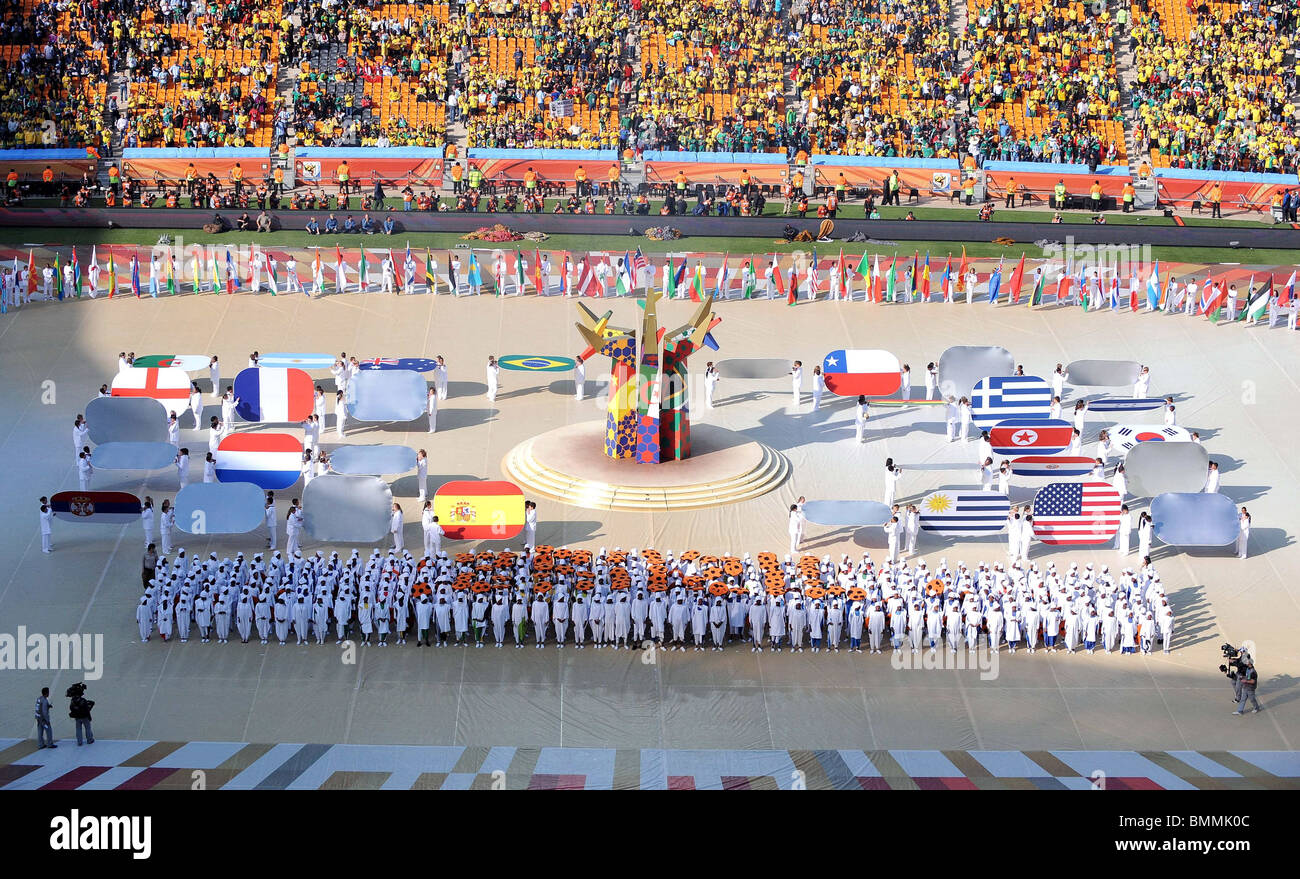
This phenomenon is not unique to the 2026 edition but is intensified by the sheer volume of matches in the expanded format. The Reuters guide to the 2026 World Cup notes that the scheduling was designed to balance local prime-time viewership in the Americas while attempting to maintain accessibility for European and Asian audiences where possible. However, the geographic spread makes a perfectly equitable broadcast schedule impossible, leaving dedicated fans to prioritize live viewing over standard sleep patterns.
Historical Context and Sporting Impact
The 2026 World Cup follows the 2022 tournament held in Qatar, which was the first to be held during the Northern Hemisphere’s winter. The return to the traditional summer window for the 2026 edition, as confirmed by Associated Press reporting, aligns with the standard international football calendar, allowing for a more consistent preparation period for players and clubs. The inclusion of additional teams is expected to increase the total revenue generated by the tournament, which FIFA intends to reinvest into football development programs globally.
The tournament is also notable for being the first to be played under the new 48-team format. Critics and supporters alike are observing how this change impacts the quality of play and the competitive balance of the group stages. While the expansion allows for more representation from smaller footballing nations, it also increases the number of matches, which has raised discussions regarding player welfare and travel fatigue. FIFA has addressed these concerns by implementing specific travel protocols for participating teams.
Next Steps for the Tournament
The group stage of the 2026 World Cup will continue through the coming weeks, moving toward the knockout rounds that will determine the eventual champion. Official match schedules, including updates on venue changes or kick-off adjustments, are maintained on the official FIFA match center. Fans are encouraged to follow the official tournament app for real-time notifications and verified standings as the competition progresses.
As the tournament advances, the focus will shift to the performance of the host nations and the potential for upsets as the field of 48 is whittled down. The tournament final is scheduled to take place in July, marking the conclusion of the month-long event. We invite readers to share their thoughts on the new format and their experiences following the matches from around the world in the comments section below.
Keep reading