As the political landscape shifts toward the next federal election cycle, voters in key House districts are beginning to shape the composition of the United States Congress. These primary contests serve as a critical bellwether for party control, determining which candidates will advance to the general election in districts that are essential to securing a majority in the House of Representatives. With margins remaining razor-thin, every nomination in these battleground areas carries significant weight for the national legislative agenda.
The primary election process is the foundational step in the broader effort to influence the balance of power in Washington. In districts identified as competitive by the Cook Political Report and other non-partisan analysts, party organizations and voters are scrutinizing candidates’ records, policy platforms, and electability. These selections effectively filter the field, narrowing down those who will ultimately face off in November for seats that could swing the legislative majority.
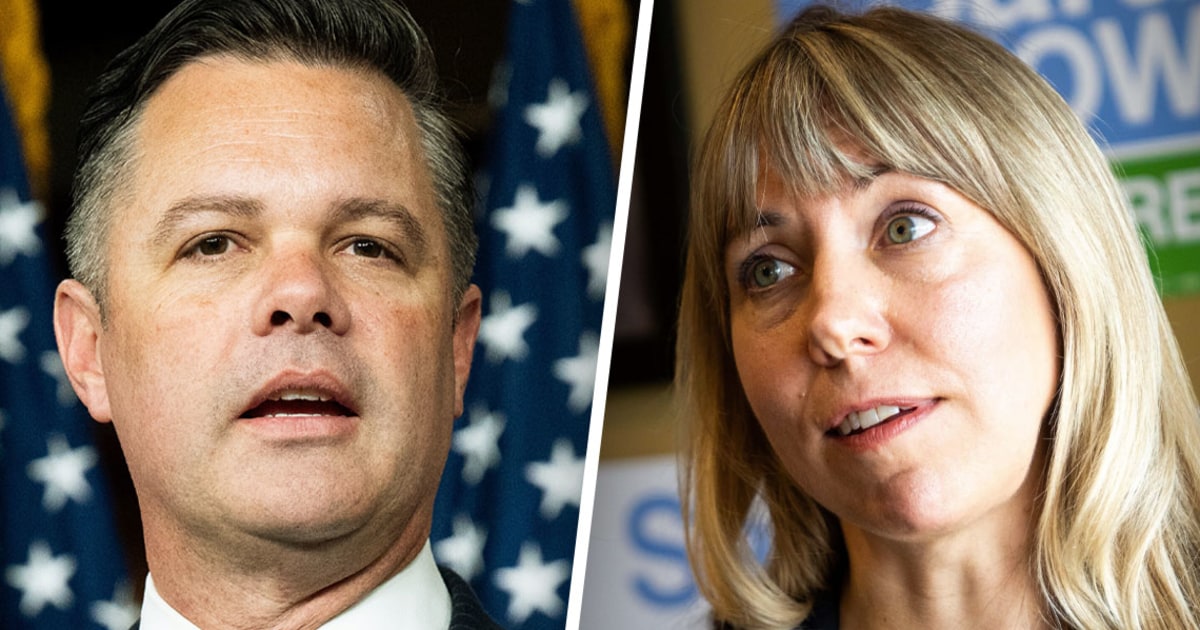
In Iowa, recent primary results have highlighted the intensity of these contests. The state’s 1st Congressional District, in particular, has emerged as a focal point for both national parties. Incumbent Republican Mariannette Miller-Meeks and Democratic challenger Christina Bohannan are set for a high-profile rematch, underscoring the persistence of competitive dynamics in districts that were previously decided by narrow margins. According to official data from the Iowa Secretary of State, these races are frequently decided by a few thousand votes, making the primary stage a vital opportunity for parties to mobilize their bases and refine their messaging.
The Mechanics of House Majority Control
The path to a House majority is paved through a collection of swing districts—geographically and politically diverse areas where neither party holds a permanent advantage. Strategists from both the Democratic Congressional Campaign Committee (DCCC) and the National Republican Congressional Committee (NRCC) invest heavily in these areas, providing resources and advertising support to candidates who show the best potential to capture or defend these seats.
Understanding these districts requires looking beyond the national headlines. Factors such as localized economic concerns, shifting demographics, and the performance of incumbent representatives play a major role in how voters cast their ballots. In many instances, the primary electorate is smaller and more partisan than the general election electorate, which can lead to the nomination of candidates who may face challenges in appealing to the broader, more moderate coalition required to win in the general election.
The Federal Election Commission (FEC) provides public records on campaign finance, which offer a window into the financial backing of these candidates. High levels of spending during the primary phase often signal that party leadership views a seat as a “must-win” or “must-defend” location. As of the most recent reporting periods, spending in competitive districts has already reached millions of dollars, reflecting the high stakes involved in controlling the House floor.
Iowa’s 1st District: A Case Study in Competitive Politics
The ongoing rivalry in Iowa’s 1st Congressional District serves as a clear illustration of how primary voters influence the general election. By selecting candidates who have demonstrated success in previous cycles or who bring new energy to the party, voters are essentially choosing the strategy they believe will yield victory in a closely divided electorate. The rematch between Miller-Meeks and Bohannan is emblematic of the “toss-up” nature of many House races across the country.

For voters, the primary is more than just a party preference. it is a vetting process. Challengers to party frontrunners often push the conversation toward issues that the establishment might overlook, such as specific agricultural policies or regional infrastructure priorities. When these challengers succeed, it can force the party to adjust its platform to better reflect the concerns of the district. Conversely, when frontrunners prevail, it often signals a party’s commitment to a specific, tested strategy.
According to the U.S. House of Representatives directory, the 1st District of Iowa has been subject to redistricting, which has altered the composition of the electorate and necessitated a renewed focus on outreach. Candidates must now navigate a voter base that includes different suburban, rural, and urban interests, requiring a balanced approach that can hold a coalition together through the general election.
What Happens Next?
Following the conclusion of primary season, the focus shifts entirely to the general election campaign. Candidates will pivot from appealing to the primary base to addressing the broader concerns of all district residents. This period typically involves an increase in televised debates, town hall meetings, and a massive surge in digital and broadcast advertising.
For those tracking these developments, the next major checkpoint will be the release of the third-quarter campaign finance filings, which will provide a clear picture of which candidates have the resources to sustain their operations through the final weeks of the campaign. These filings are released periodically by the Federal Election Commission and serve as a reliable indicator of campaign momentum.
As we continue to cover these developments, we encourage our readers to stay engaged with local election board resources to ensure they are prepared for the upcoming general election. Understanding the nuances of your own district’s candidates is the most effective way to participate in the democratic process. We invite you to share your thoughts on these developments in the comments section below and join the ongoing conversation about the future of the House majority.
Related reading