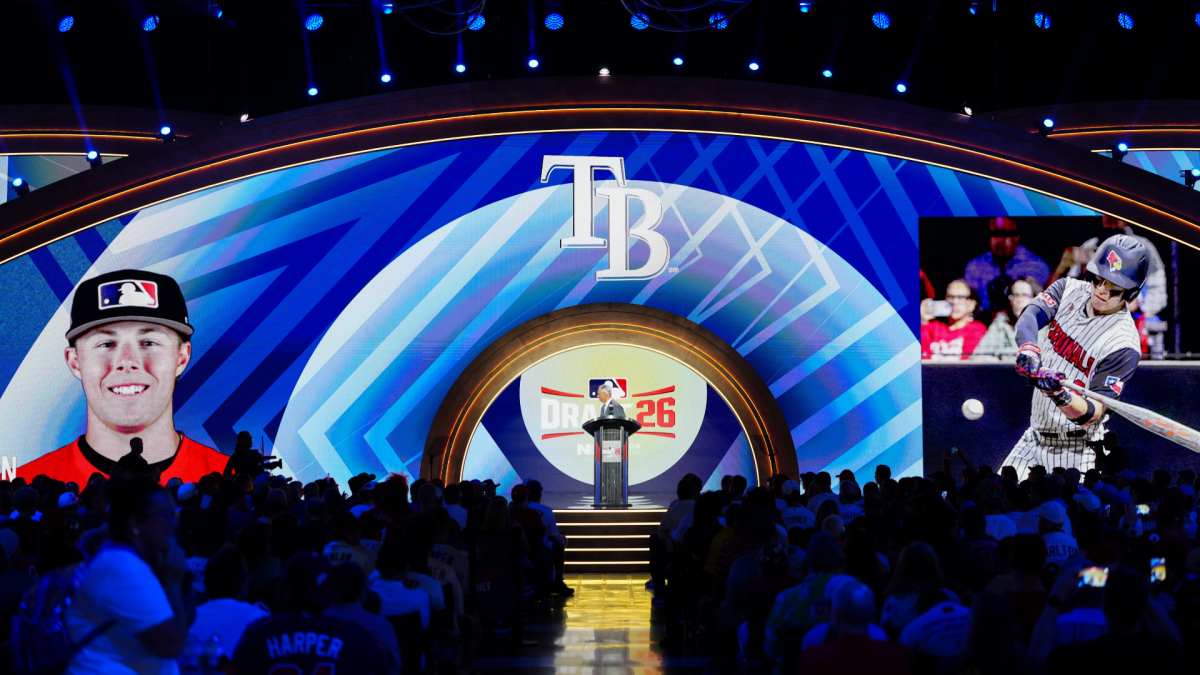
The 2026 MLB Draft reached its conclusion with a total of 613 players selected across 20 rounds, reshaping the future talent pipelines for all 30 Major League Baseball franchises. The draft opened with a high-profile focus on middle infielders, as the Chicago White Sox selected shortstop Roch Cholowsky with the first overall pick, followed immediately by the Tampa Bay Rays, who drafted shortstop Grady Emerson at pick number two.
As the Sports Editor at World Today Journal, I have spent over 13 years tracking the evolution of professional scouting and the transition of collegiate and prep stars into the professional ranks. This year’s draft class was defined by a heavy emphasis on defensive versatility and high-ceiling athleticism, reflecting a league-wide trend toward prioritizing premium positions early in the selection process. According to the official MLB Draft tracker, the selection order was determined by the previous season’s standings, supplemented by the league’s lottery system designed to discourage tanking.
First-Round Analysis and Strategic Trends
The early portion of the first round signaled a clear preference for elite up-the-middle talent. By selecting Roch Cholowsky, the White Sox signaled a long-term commitment to rebuilding their infield defense. Cholowsky’s profile, characterized by high-contact tools and defensive range, fits the modern prototype of a cornerstone shortstop. The Tampa Bay Rays’ selection of Grady Emerson at number two continued the team’s historical strategy of identifying high-upside, projectable athletes who often display advanced baseball IQ at a young age, as documented in Baseball America’s draft reporting.

Beyond the top two, the first round saw a balanced distribution of pitching and power-hitting prospects. Teams holding multiple selections in the opening round, such as those that acquired compensatory picks for losing top-tier free agents, were able to diversify their pools by targeting both “safe” college arms and high-risk, high-reward high school power hitters. The draft serves as the primary mechanism for amateur players to enter the professional system, with signing bonuses governed by the MLB Collective Bargaining Agreement, which sets specific slot values for each pick to maintain financial parity across the league.
The Depth of the 613-Pick Class
While the first round captures the headlines, the subsequent 19 rounds are where front offices differentiate themselves through scouting depth. With 613 total picks, the 2026 draft provided teams with an opportunity to address organizational needs ranging from bullpen depth to bench versatility. The sheer volume of selections allows clubs to mitigate the high failure rate inherent in player development, with many teams utilizing advanced analytics to identify “undervalued” players from smaller collegiate programs or non-traditional pipelines.
The draft process is not merely about talent acquisition; it is a complex negotiation between teams and draftees. Under current league rules, players drafted have until the signing deadline to reach an agreement with their respective clubs. If a player opts not to sign, the team receives a compensatory pick in the following year’s draft, a mechanism that provides a safety net for teams that fail to secure their top targets. Detailed historical data on draft success rates and bonus pool management can be found via the official MLB news portal.
What Happens Next for Drafted Prospects
For the 613 players selected, the next phase involves the formal signing process and, for many, an immediate transition to professional development camps or specialized instructional leagues. Teams will now turn their attention to physical evaluations, contract negotiations, and the assignment of these players to various levels of the minor league system, ranging from the Florida Complex League to full-season Single-A teams.

The next major checkpoint for these prospects is the signing deadline, which serves as the final cutoff for teams to finalize their 2026 draft classes. Following this, the focus for scouts shifts entirely to the 2027 draft class, as the cycle of talent acquisition in Major League Baseball is constant. For fans and analysts alike, the progress of these 613 selections will be tracked closely over the coming years as they attempt to climb the ranks toward a Major League roster.
We invite our readers to share their thoughts on their team’s draft strategy in the comments section below. How do you believe your team’s top selection will impact their future roster? Stay tuned to World Today Journal for ongoing coverage of player development and the latest news from across the league.