
The Pokémon Company International is positioning its competitive circuit to be the most accessible esport globally, aiming to lower barriers for entry across its diverse range of titles. By standardizing tournament structures and expanding the reach of events like the Pokémon North America International Championships (NAIC), the organization is actively working to integrate casual players into the professional ecosystem. According to official company statements, this initiative focuses on regional expansion and the consolidation of competitive play across the Pokémon Trading Card Game, Pokémon GO, and Pokémon UNITE.
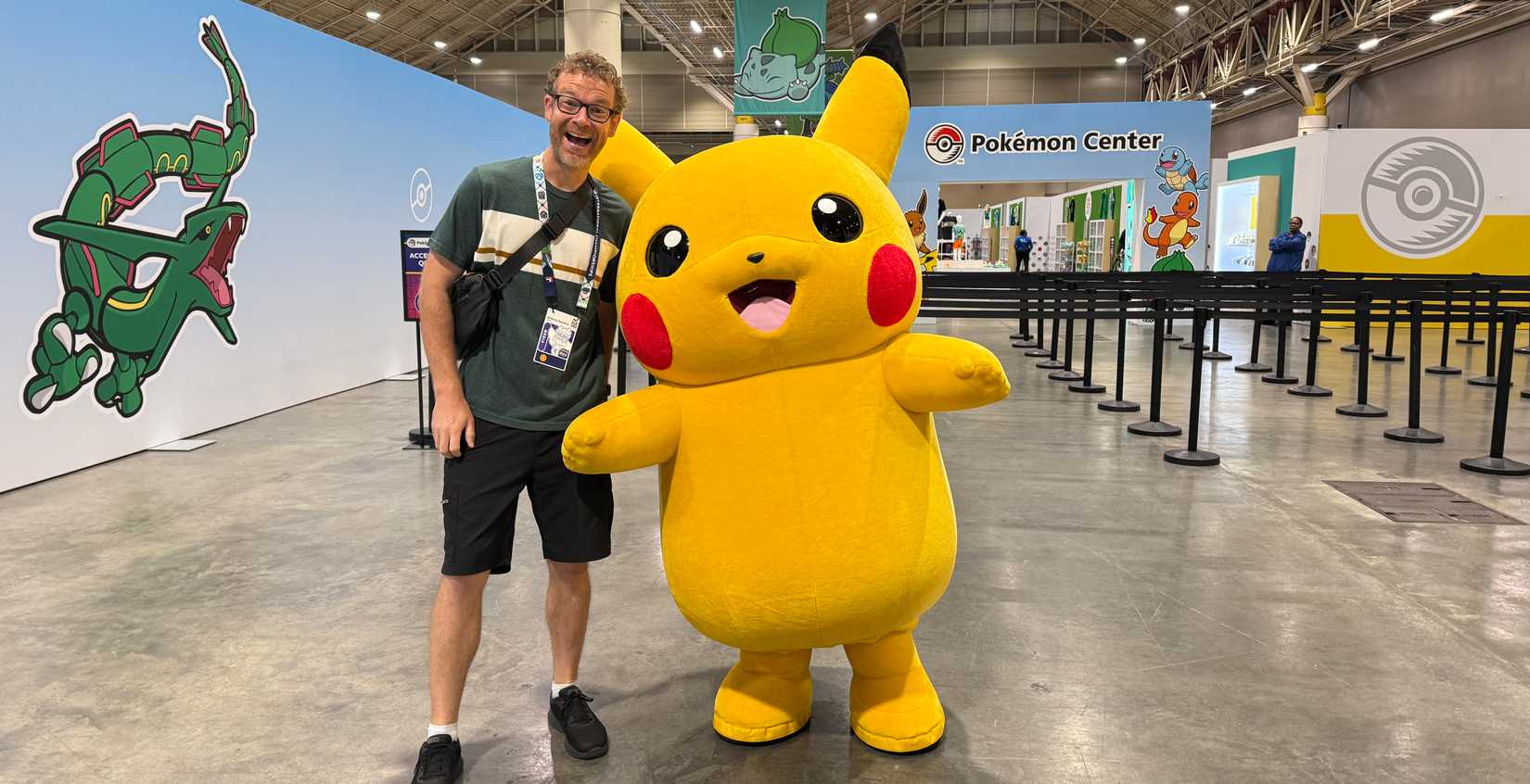
Recent developments underscore this push for accessibility. Thousands of competitors gathered for the 2026 Pokémon North America International Championships in New Orleans, an event that showcased the growing scale of these tournaments. To support this continued expansion, The Pokémon Company International has officially confirmed that the NAIC will relocate to Chicago in 2027. This move is designed to accommodate a larger venue capacity and improve logistics for the increasing number of international participants, as detailed in the official Play! Pokémon event portal.
Expanding the Competitive Ecosystem
The strategy to become the most accessible esport relies on a multi-tiered approach that bridges the gap between local leagues and global championships. Unlike traditional esports that often require high-end hardware, the Pokémon circuit leverages mobile-friendly platforms and the established paper-based Trading Card Game. The Pokémon Company International maintains a centralized event locator, which allows players of all skill levels to find sanctioned “League” events in their local communities. This grassroots structure serves as the primary feeder system for larger, regional, and international competitions.

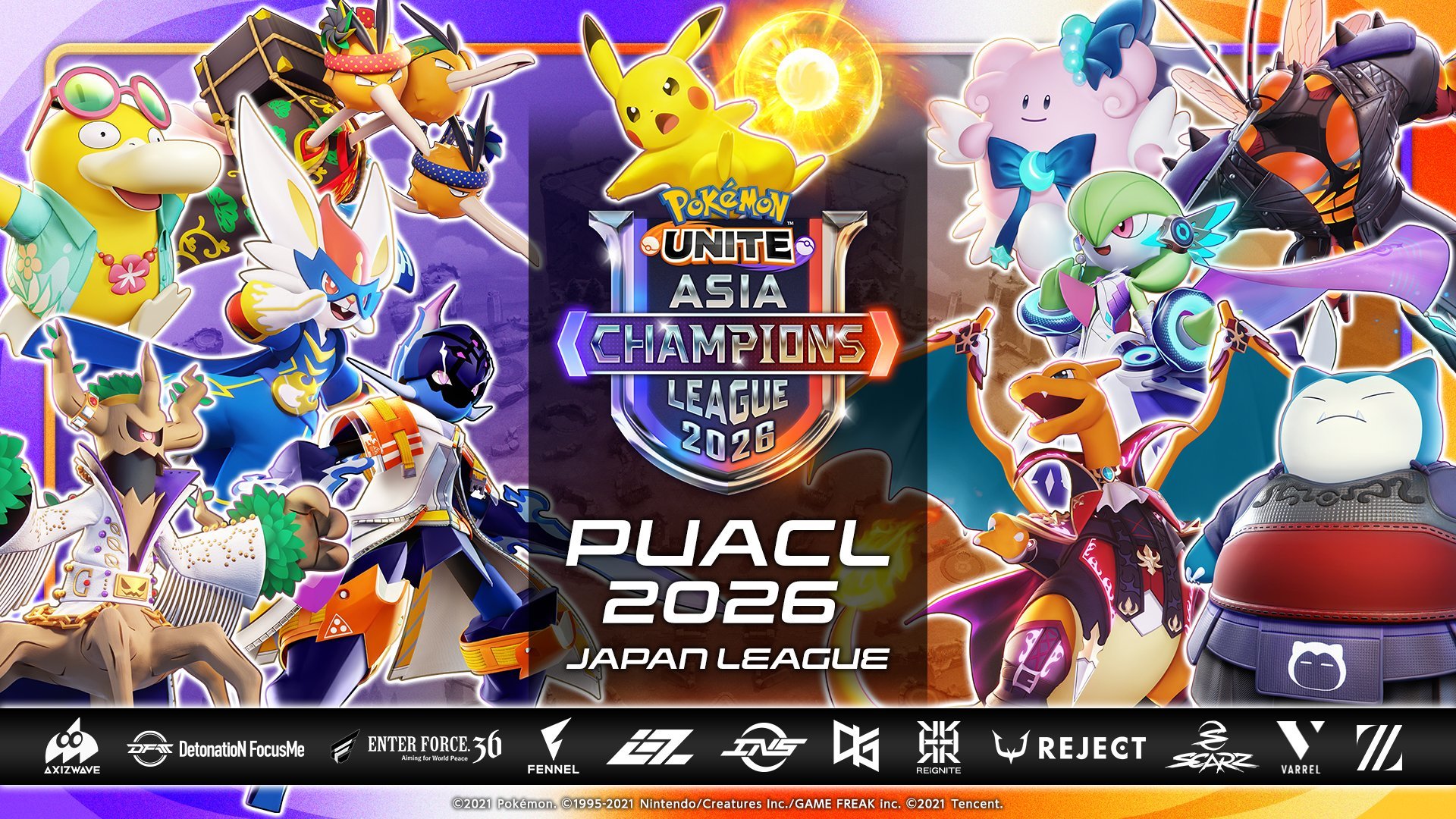
The integration of digital titles, specifically Pokémon UNITE and Pokémon GO, has significantly lowered the cost of entry for new players. By hosting events that utilize hardware that most fans already own—such as smartphones and tablets—the organization has effectively removed the financial barrier typically associated with competitive PC gaming. This focus on “bring your own device” (BYOD) policies for mobile titles ensures that participation is limited only by skill and preparation rather than expensive, proprietary equipment.
Why Chicago Was Selected for 2027
The decision to move the 2027 NAIC to Chicago follows a period of record-breaking attendance at various regional championships throughout North America. According to data provided by The Pokémon Company International, the shift is necessary to handle the logistical demands of a growing player base that spans multiple age divisions, including the Junior, Senior, and Masters categories. Chicago’s central location and extensive convention infrastructure are viewed as vital components in maintaining the competitive integrity of the circuit while providing a more accessible hub for international travelers.
Accessibility in this context also refers to the physical and organizational ease of movement for players. By selecting a host city with major international airport access and robust public transportation, the organizers aim to reduce the travel burden on younger competitors and their families. This reflects a broader trend in the industry where tournament organizers are prioritizing participant experience to ensure the long-term sustainability of their competitive scenes.
Standardizing the Player Experience
To ensure that the circuit remains approachable, The Pokémon Company International has implemented a unified rule set and point-accrual system. Players earn Championship Points through local, regional, and international events, which are required to qualify for the annual Pokémon World Championships. This system creates a clear, transparent path to professional play. Transparency is maintained through the official Play! Pokémon Rules and Resources page, which is updated regularly to reflect changes in tournament formats and restricted card lists.
The organization’s commitment to inclusivity is further evidenced by its age-division split. By separating competitors by age, the circuit ensures that players compete against peers, which encourages retention and long-term engagement. This structure is a key differentiator from many other esports, where the professional landscape is often dominated by a singular, adult-focused bracket. By fostering a environment where children and adults can compete in parallel, the Pokémon brand sustains a multigenerational community that continues to grow alongside its player base.
Looking Ahead to the 2027 Season
As the community prepares for the transition to the 2027 tournament cycle, the focus remains on regional qualification rounds. Players interested in participating are encouraged to monitor the official Play! Pokémon website for upcoming regional announcements and registration windows. The 2027 Chicago event is expected to serve as the capstone for the North American circuit, with registration details and specific venue information typically released several months in advance.
The push for accessibility is an ongoing project, and the organization regularly solicits feedback through its regional tournament organizers. Readers are encouraged to share their experiences with the current tournament structure or ask questions regarding upcoming qualification requirements in the comments section below. Stay tuned for further updates on the 2027 schedule as more information becomes available from official channels.
Worth a look
- Catching the Teenieping Fever: Why This 2024 Summer Hit Proves the Potential of Korean Animation
- Monica Barbaro Discusses Luca Guadagnino’s Artificial and Neon Distribution
- Jordan Chiles Shares Thoughts at 2026 U.S. Gymnastics Championships (newsdirectory3.com)
- Pokémon TCG 30th Celebration: Meowth and Alolan Meowth Cards Revealed (world-today-news.com)