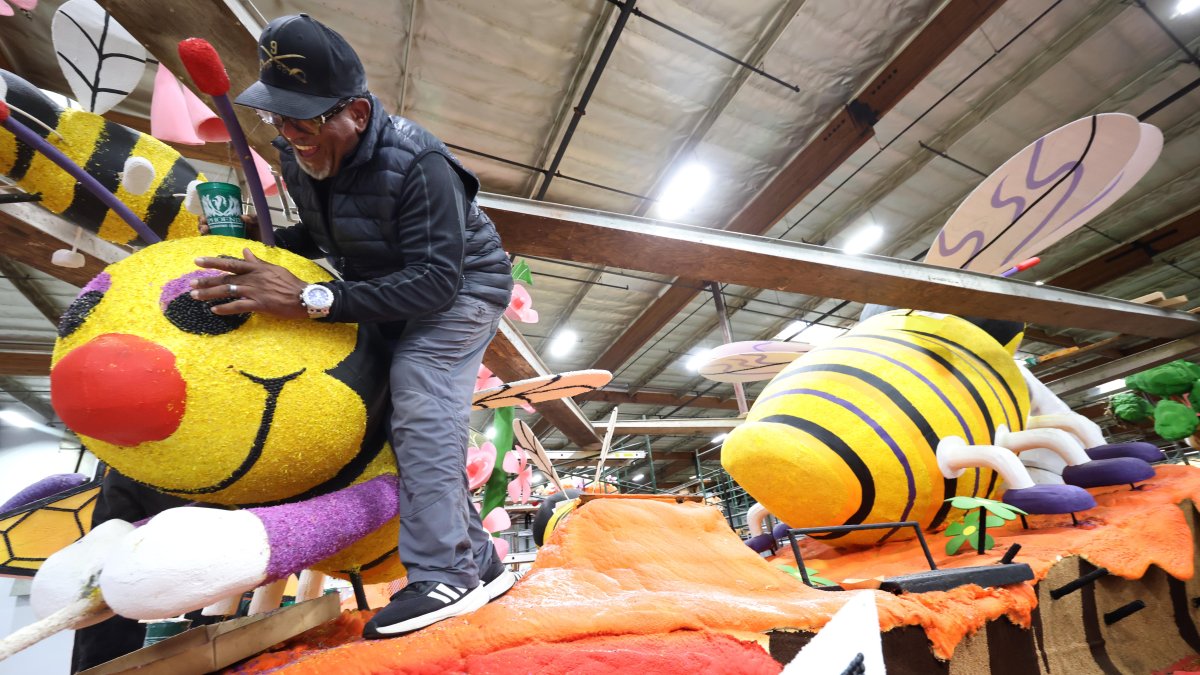
Your Ultimate Guide to the Rose parade: Planning, Rules & History
The Rose Parade is a world-renowned spectacle, a vibrant celebration of flowers, community, and the start of a new year. Planning to experience this iconic event in Pasadena, California? This comprehensive guide, crafted by a long-time parade attendee, will equip you with everything you need to know - from navigating the rules and regulations to understanding the rich history behind this beloved tradition.
Planning Your Rose Parade Experience
Securing a prime viewing spot requires a bit of strategy. Remember,parking is extremely limited,so utilizing public transportation is highly recommended.
Here’s a breakdown of key considerations:
* Transportation: Metro will be running all-night service on the A, B, D, and E lines on New Year’s Eve and New Year’s Day. Even better, all Metro bus and rail lines will be free from 4 a.m. wednesday through 3 a.m. Thursday. Four Metro A Line stations are within a half-mile of the parade route.
* Floatfest: Don’t miss Floatfest! Located near the Sierra Madre Station, it allows you to get up close and personal with the magnificent floats after the parade.
* Rose bowl Game: If you’re attending both the parade and the Rose Bowl game, a free shuttle will operate from 9 a.m. thursday until two hours after the game concludes, loading on Pasadena Avenue between Walnut and Holly streets.
* Arrival Time: To claim your spot along the route, you’ll need to arrive early. Spectators often begin setting up well in advance.
Understanding the parade Route & Viewing Rules
The Rose Parade route is approximately 5.5 miles long.Knowing the rules is crucial for a smooth and enjoyable experience. Here’s what you need to be aware of:
* Property on the Curb: Blankets and chairs are permitted on the curb, but must remain there until 11 p.m. on Wednesday.
* The ”Honor Line”: After 11 p.m., you can move out to the designated blue “Honor Line” painted on the street.This ensures a clear path for the parade.
* Camping Regulations: The Tournament of Roses has specific rules regarding camping along the route. Pay close attention to these:
* Barbecues: Small, professionally made barbecues are allowed if elevated at least one foot off the ground and at least 25 feet from buildings or flammable materials. A fire extinguisher is mandatory.
* Age Restrictions: Individuals under 18 must be supervised by an adult between 10 p.m. Wednesday and 5 a.m.Thursday.
* Prohibited Items: The following are not allowed: tents, sofas, stools, boxes used as seating, bonfires, ladders, scaffolding, open containers of alcohol, and drones.
* Sales & Obstructions: Selling items or roping off public areas is strictly prohibited.
* Safety First: Throwing anything into the street or parade route is forbidden, even seemingly harmless items like marshmallows or flowers.
Staying Comfortable & Safe
The Rose Parade takes place in Southern California, but the weather can be unpredictable. Preparation is key.
* Dress in Layers: Be prepared for cold weather and potential rain. Layering your clothing will allow you to adjust to changing temperatures.
* Stay Hydrated: Bring water to stay hydrated throughout the day.
* Be Aware of Your Surroundings: Keep an eye on your belongings and be mindful of the people around you.
* Follow Instructions: Pay attention to instructions from parade officials and law enforcement.
A Look Back: The History of the Rose Parade
The Rose Parade isn’t just a beautiful spectacle; it’s a tradition steeped in history. It all began in 1890 with the Valley Hunt Club.
Here’s a glimpse into its evolution:
* Early Beginnings (1890): Members of the Valley Hunt Club wanted to showcase the beauty of southern California during the winter months. Thay organized a parade featuring flower-decorated carriages, followed by chariot races, jousting, and other competitions.
* A Vision of Paradise: As Professor Charles F. Holder eloquently stated, “In New York, people are buried in snow.