
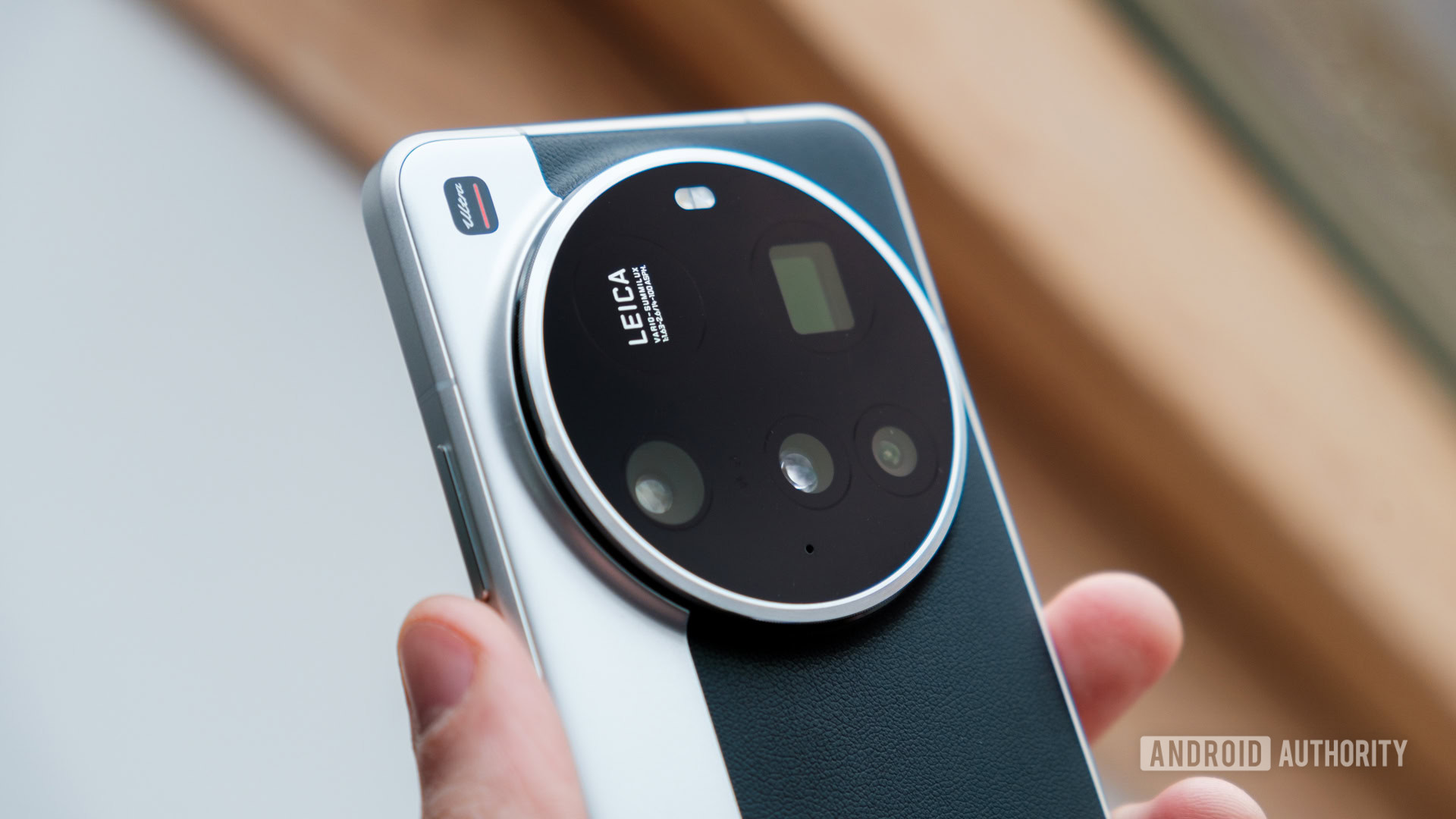
The Future of Smartphone Cameras: Beyond the 1-inch Sensor
Smartphone camera technology continues to evolve at a rapid pace, and for a while, the industry seemed laser-focused on increasing sensor size – particularly pushing towards the coveted 1-inch mark. However, recent developments suggest the path forward might be more nuanced than simply “bigger is better.” Let’s explore where smartphone camera sensors are headed and what this means for your next phone.
The Rise of Larger sensors – And Why It Happened
Historically, improvements in mobile photography came through two main avenues: adding more cameras to a device and increasing the size of the primary sensor. This strategy fueled meaningful growth for sensor manufacturers like sony. Adoption of larger sensors has been progressing smoothly, delivering noticeable improvements in image quality, especially in low-light conditions.
A Shift in Focus: Beyond the 1-Inch Standard
While the 1-inch sensor has been a highly sought-after goal,the next leap in camera technology might not solely revolve around it. Sony recently unveiled the LYT-901, a groundbreaking 200MP sensor with a 1/1.12-inch size. This new sensor is larger than existing 200MP options and slightly smaller than typical 50MP one-inch sensors.
Leaks indicate that major manufacturers like OPPO and vivo are planning to integrate this sensor into their upcoming flagship “Ultra” phones. This suggests a potential shift in priorities, focusing on maximizing resolution and overall sensor capabilities rather than strictly adhering to the 1-inch standard.
What Does This Mean for 2026 and Beyond?
The Xiaomi 17 Ultra, with its anticipated one-inch sensor, might prove to be an exception rather than the norm in 2026. Don’t misunderstand – smartphone cameras will undoubtedly continue to improve. However, the widespread expectation of one-inch sensors becoming standard across all flagship devices is likely unrealistic.
key Takeaways for You:
* Sensor size isn’t everything. While larger sensors generally perform better, advancements in sensor technology and image processing are equally crucial.
* Resolution is increasing. The 200MP LYT-901 demonstrates a trend toward higher megapixel counts, offering greater detail and adaptability in post-processing.
* Innovation continues. Expect to see manufacturers experimenting with different sensor sizes and technologies to optimize image quality and camera performance.
* Don’t base your purchase solely on sensor size. Consider the overall camera system, including lens quality, image processing algorithms, and software features.
Ultimately, the future of smartphone cameras is about finding the optimal balance between sensor size, resolution, and processing power. You can expect continued innovation and impressive advancements in mobile photography, even if the dream of a one-inch sensor in every flagship phone doesn’t fully materialize.

![Fritz vs Baez: Live Score, Odds & Head-to-Head | [Tournament Name] 2024
OR
Taylor Fritz vs Sebastian Baez: Prediction, Preview & How to Watch
OR
Fritz & Baez Battle: Tennis Prediction & Live Streaming Info](https://static.ffx.io/images/$width_800%2C$height_450/t_crop_fill/q_86%2Cf_auto/9fe36dc8713e1dfa3909875f502144df8bf4dadc "Fritz vs Baez: Live Score, Odds & Head-to-Head | [Tournament Name] 2024
OR
Taylor Fritz vs Sebastian Baez: Prediction, Preview & How to Watch
OR
Fritz & Baez Battle: Tennis Prediction & Live Streaming Info")



