
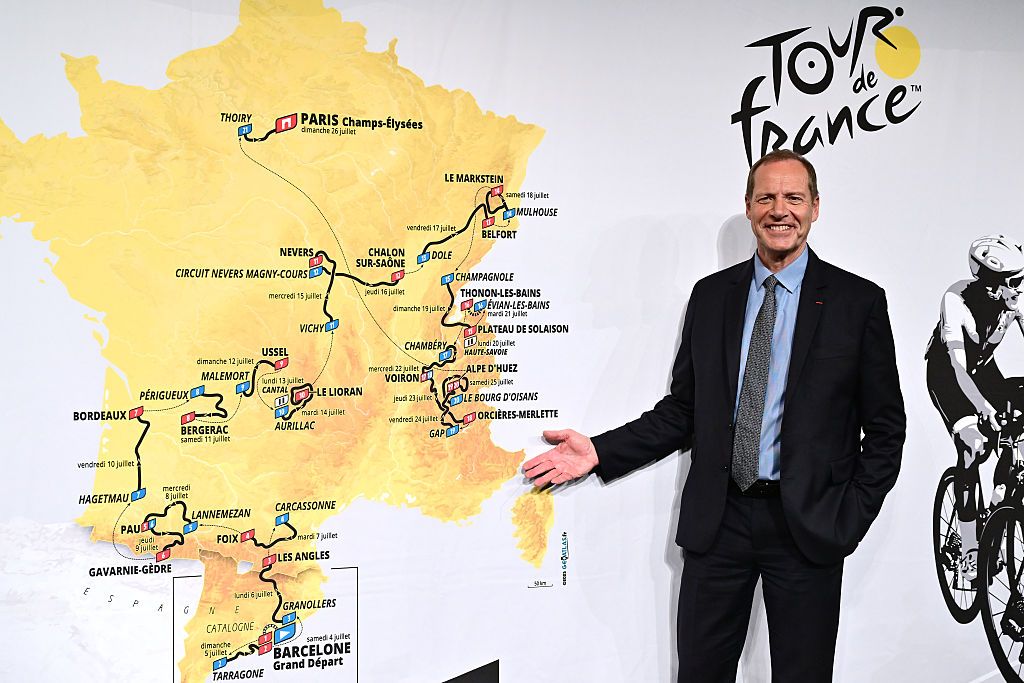
The 2026 Tour de France: A Challenging Route & A Shift in Focus
the 2026 Tour de france promises a thrilling ride, unveiling a route designed to test riders across diverse terrains and navigate a complex geopolitical landscape. Starting with a Barcelona Grand Départ, the race will feature demanding climbs, strategic stage designs, and a notable shift regarding team portrayal. Here’s a detailed look at what you can expect.
A Mountainous Challenge Beyond the Pyrenees
While the Pyrenees will offer early climbing opportunities, race director Christian Prudhomme emphasizes that the mountains will play a more significant role later in the race. Stage 6 will tackle the iconic Tourmalet, but the real challenges lie in France’s lesser-known ranges.
The 2026 Tour isn’t just about the famous peaks. It’s about discovering climbs that will truly push riders to their limits. Expect a focus on steep gradients and testing uphill roads throughout the course.
Here are some key climbs to watch:
* Col du Haag (Stage 16): A recently resurfaced 11.2km climb at a demanding 7.3% gradient, located in the Vosges mountains. It arrives just before the finish at Le markstein, making it a crucial late-stage test.
* Plateau de Solaison (Stage 15): A very steep climb offering magnificent scenery. Strategically placed before a rest day, it’s designed to be exceptionally tough.
* Orcières Merlette (Stage 18): A historic finish, famed for the dramatic moment Eddy Merckx was dropped by Luis Ocaña in 1971. This stage will undoubtedly evoke memories and add to the race’s legacy.
Addressing Protests & Team Dynamics
The Grand Départ in Barcelona raises questions about potential pro-palestinian protests, mirroring those seen at the Vuelta a España. However, prudhomme appears cautiously optimistic.
He notes a positive shift in the international situation and points to the recent decision by the Israel-Premier Tech team to rebrand and restructure. Owner Sylvan Adams will also step back from day-to-day operations. These changes,coupled with Barcelona’s commitment to hosting a historic Grand Départ,seem to have eased concerns.
A Final Stage Reimagined for Spectacle
The final stage in Paris has undergone changes to preserve the iconic climb to Butte Montmartre.
Due to police requirements, the route will now return to the champs-Élysées via Avenue Wagram, moving the finish line 15km away from the top of Rue lepic. This adjustment aims to balance the desire for a challenging finish with security considerations.
This change opens the door for a different kind of winner. While a customary bunch sprint is less likely, a powerful rider capable of navigating the hills – think Mads Pedersen – has a strong chance of taking the victory.
What This Means for You, the Cycling Fan
The 2026 Tour de France is shaping up to be a race of strategic climbs, evolving team dynamics, and a renewed focus on challenging terrain.You can expect:
* A more unpredictable GC battle: The diverse climbs will favor riders with a broad range of skills.
* Increased tactical racing: Teams will need to be adaptable and exploit every possibility.
* A thrilling finale in Paris: The altered final stage promises a captivating showdown.
Ultimately, the 2026 Tour de France is designed to deliver a captivating spectacle for cycling enthusiasts worldwide. It’s a race that will test the limits of the world’s best riders and create lasting memories.
Sources:
*[Cyclingnewscom:MovingawayfromitscurrentIsraeliidentityIsraelPremierTechtochangenameandrebrandfor20[Cyclingnewscom:MovingawayfromitscurrentIsraeliidentityIsraelPremierTechtochangenameandrebrandfor20[Cyclingnewscom:MovingawayfromitscurrentIsraeliidentityIsraelPremierTechtochangenameandrebrandfor20[Cyclingnewscom:MovingawayfromitscurrentIsraeliidentityIsraelPremierTechtochangenameandrebrandfor20





