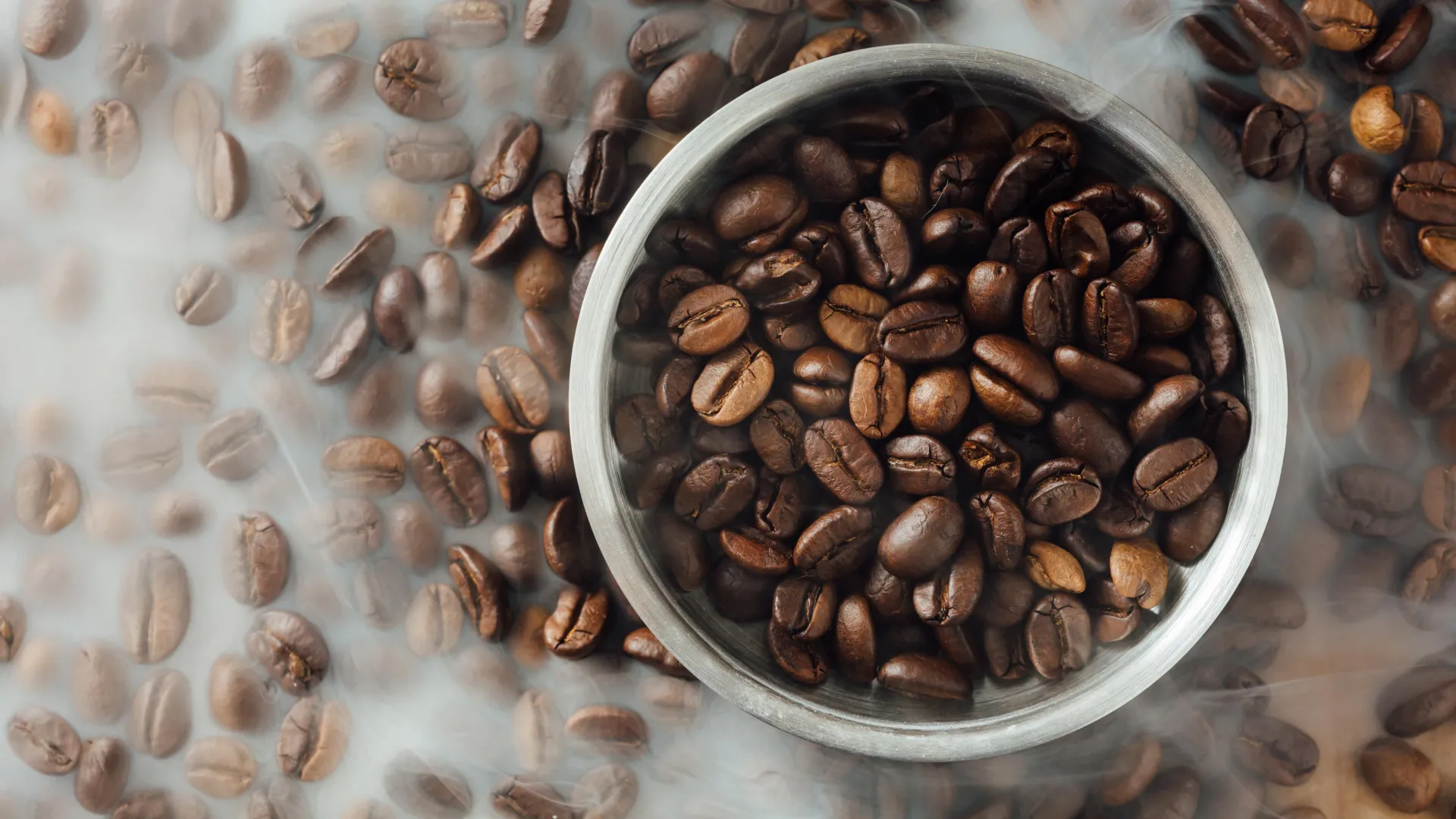
Discoveries surrounding the regulation of blood sugar are constantly evolving, and recent research has pinpointed three novel compounds with a remarkable ability to inhibit α-glucosidase, a key enzyme in carbohydrate digestion. This breakthrough, as of January 11, 2026, offers promising avenues for developing new functional food ingredients specifically designed to support individuals managing type 2 diabetes.
Functional foods are increasingly recognized for their potential to deliver health benefits beyond basic nutrition. These foods often contain naturally occurring molecules-like antioxidants, neuroprotective agents, or compounds that help regulate glucose levels-that can positively impact well-being. However,identifying these beneficial substances within the complex chemical makeup of foods can be a significant challenge. Conventional methods of discovery can be time-consuming and inefficient, prompting a shift towards more sophisticated techniques like nuclear magnetic resonance (NMR) and liquid chromatography-mass spectrometry (LC-MS/MS).
These advanced analytical tools are notably valuable when studying foods with intricate compositions, such as roasted coffee, where numerous chemical components overlap.
Unlocking Coffee’s Anti-Diabetic Potential
Recent investigations have revealed previously unknown anti-diabetic properties within coffee, further solidifying its status as a functional food. Researchers are continually uncovering new insights into how everyday foods can contribute to health management.
A team of scientists meticulously designed a three-step process focused on identifying bioactive diterpene esters within roasted Coffea arabica beans. Their innovative approach aimed to detect both prevalent and trace compounds capable of inhibiting α-glucosidase, all while minimizing solvent usage and accelerating the analytical process.
Initially,a crude diterpene extract was separated into 19 distinct fractions using silica gel chromatography. Each fraction underwent analysis with ^1H NMR and was subsequently tested for its ability to inhibit α-glucosidase. Applying cluster heatmap analysis to the ^1H NMR data, the researchers pinpointed fractions 9 through 13 as exhibiting the most significant biological activity, based on unique proton signal patterns.
Further examination of a representative sample, fraction 9, using ^13C-DEPT NMR confirmed the presence of an aldehyde group, aligning with previous findings. Following purification via semi-preparative HPLC, the scientists successfully isolated three previously unknown diterpene esters, which they named caffaldehydes A, B, and C. The chemical structures of these compounds were rigorously verified using 1D and 2D NMR, along with high-resolution mass spectrometry (HRESIMS).
Potency Surpassing Established Treatments
Despite variations in their fatty acid components-palmitic, stearic, and arachidic acids-all three caffaldehydes demonstrated notable α-glucosidase inhibition. Their IC₅₀ values, measuring 45.07, 24.40, and 17.50 μM respectively, indicated a stronger inhibitory effect compared to acarbose, a commonly prescribed medication for managing diabetes.
To identify additional trace compounds that were difficult to detect using NMR or HPLC alone, the team employed LC-MS/MS on combined fraction groups.They then constructed a molecular network using GNPS and Cytoscape. This analysis revealed three more previously unreported diterpene esters (compounds 4-6) closely related to caffaldehydes A-C. These molecules, while sharing similar fragment patterns, contained different fatty acids (magaric, octadecenoic, and nonadecanoic acids). Comprehensive searches of existing compound databases confirmed that these substances had not been previously documented.
Collectively, these findings demonstrate the effectiveness of this integrated dereplication strategy in identifying a diverse range of biologically relevant compounds within complex food matrices like roasted coffee.