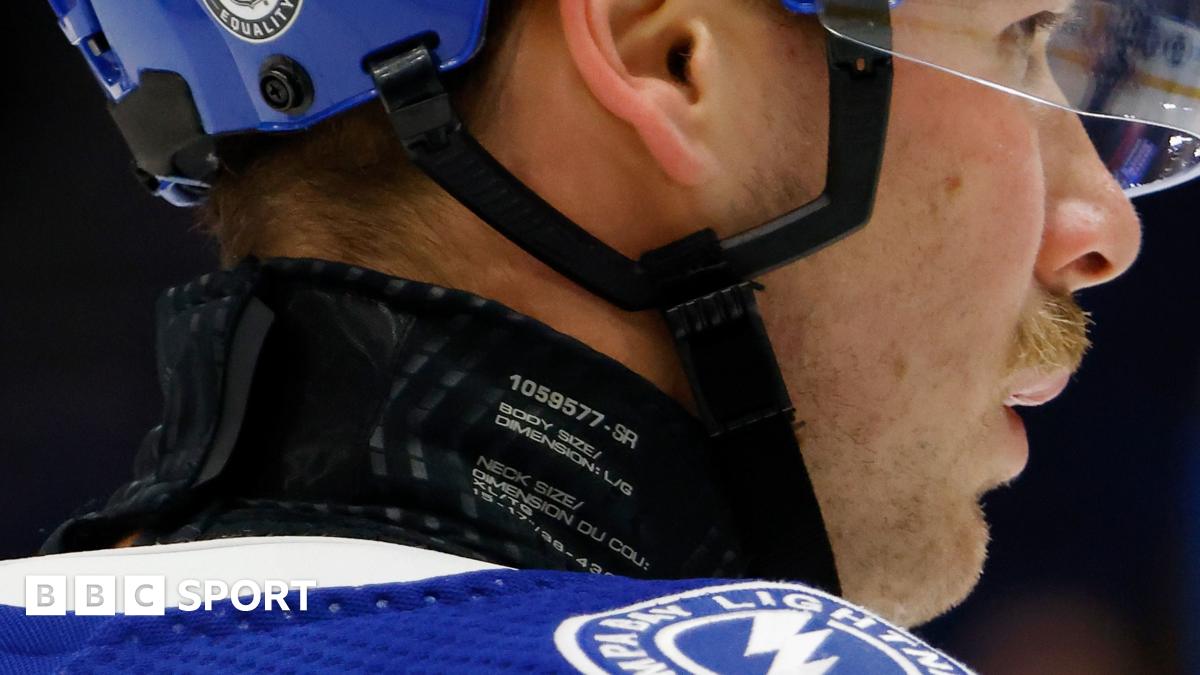
the Rising Mandate of Hockey Neck Guards: Protecting Players at All levels
A chilling reality has gripped the hockey world: the increasing frequency of tragic injuries involving lacerations to the neck. What was once considered a relatively rare occurrence is now prompting a important shift in safety protocols. For years, neck guards have been optional at the highest levels of the sport, including the Olympics. But that’s changing, and quickly. This article delves into the evolving landscape of hockey neck protection, examining the reasons behind the change, current mandates, and what it means for players at every level.
A Growing Concern: Why Neck Guards Are Becoming Essential
The vulnerability of a hockey player’s neck to skate blades is undeniable. While rare, the consequences of a cut to this area can be devastating, even fatal.The tragic death of Adam Johnson, a Nottingham Panthers player in November 2023, served as a stark and heartbreaking wake-up call. This incident, widely reported by outlets like the BBC, ignited a global conversation about player safety and the necessity of preventative measures.
Beyond this specific tragedy, data suggests a concerning trend. While extensive statistics are still being compiled, anecdotal evidence and increased awareness have led to a reevaluation of risk management. The focus isn’t just on preventing fatalities, but also on minimizing the severity of injuries and protecting players’ long-term health. This is where neck protection equipment and hockey safety gear come into play.
Current Mandates: From Elite Leagues to Youth Hockey
The response to the growing concern has been swift and varied.Here’s a breakdown of current mandates across different levels of play:
* NHL: The National Hockey League will require all new players entering the league from the 2026-27 season to wear neck guards.Existing players are currently exempt,a point of contention for some. Bleacher Report details the agreement reached as part of the Collective Bargaining Agreement.
* International Competition: Neck guards are compulsory at the youth international level, providing protection for developing players. The 2026 Milan-Cortina Olympics will see a significant change, with increased emphasis on player safety, potentially including a recommendation or requirement for neck guards.
* Elite Ice Hockey League (EIHL): The top-tier British league took immediate action, making neck guards mandatory for all players in January 2024.This proactive approach demonstrates a commitment to player welfare.
* Youth Hockey: Many youth hockey organizations are strongly recommending, and in some cases requiring, neck guards for players of all ages. This is a crucial step in fostering a culture of safety from a young age.Protective neckwear for hockey players is becoming increasingly common at this level.
This tiered approach reflects the complexities of implementing change across a sport with established traditions and varying levels of resources.
Understanding the Different Types of Neck Guards
Not all neck guards are created equal. Choosing the right protection is vital. Here’s a speedy overview of the common types:
* Dangle Guards: These hang from the neck and offer a wide range of coverage. They are often preferred for their flexibility and comfort.
* Integrated Guards: These are built into base layer shirts or collars, providing a more streamlined fit.
* Cut-Resistant Materials: Look for guards made with materials like Dyneema or Spectra, known for their exceptional cut resistance. Hockey neck laceration protection relies heavily on the quality of these materials.
* Proper Fit: A properly fitted neck guard is crucial for both comfort and effectiveness. Ensure it doesn’t restrict movement or interfere with your ability to play.
Addressing Common Concerns & FAQs
Many players have expressed concerns about the comfort and performance impact of neck guards. Here are answers to some frequently asked questions:
Q: Will a neck guard restrict my movement?
A: Modern neck guards are designed to be lightweight and flexible, minimizing any restriction to your range of motion.
Q: Are neck guards uncomfortable to wear?
A: Initial discomfort is
Worth a look