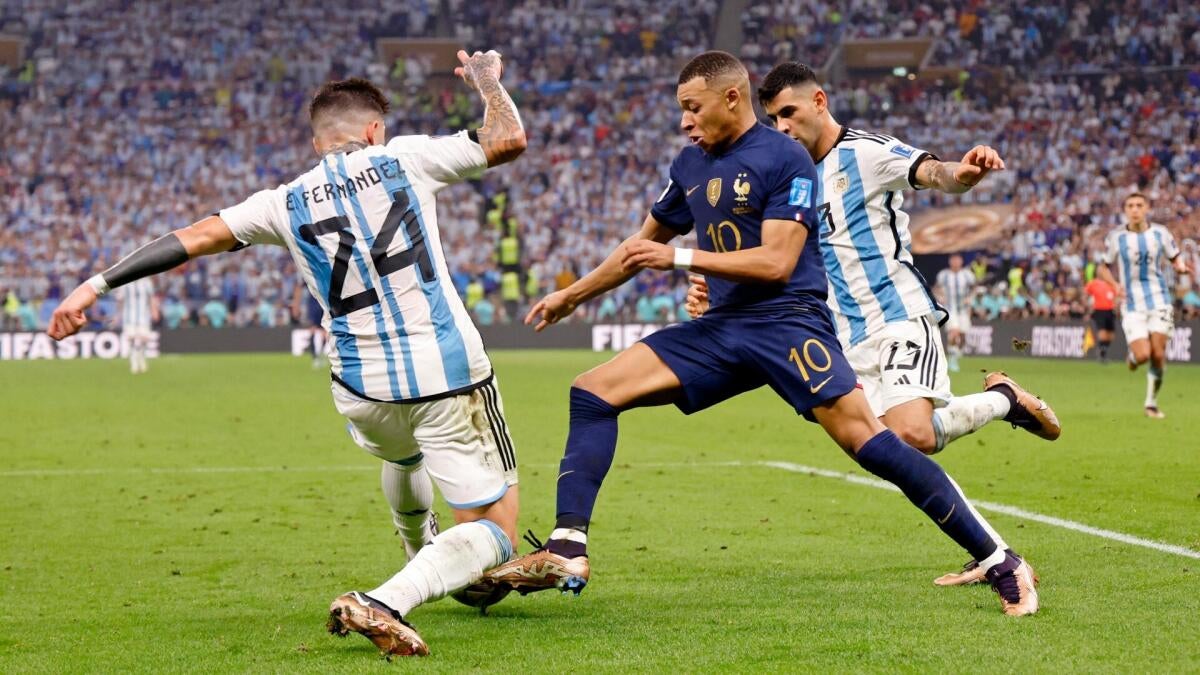
The 2026 FIFA World Cup, scheduled to take place across Canada, Mexico, and the United States from June 11 to July 19, 2026, marks the first time the tournament will feature an expanded field of 48 teams. As global interest in the event grows, sports bettors are increasingly seeking information on how to engage with the tournament, understand the shifting odds, and track the expanded match schedule. According to official FIFA documentation, the tournament will span 16 host cities, creating a complex logistical framework that influences both player fatigue and betting market volatility.
Understanding the 2026 World Cup Tournament Structure
The expansion to 48 teams represents a significant shift from the 32-team format used since 1998. FIFA confirmed that the tournament will now consist of 12 groups of four teams, with the top two teams from each group and the eight best third-place finishers advancing to a new Round of 32. This structural change directly impacts betting strategies, as the increased number of matches—totaling 104 games—creates a wider surface area for potential upsets and performance variance.
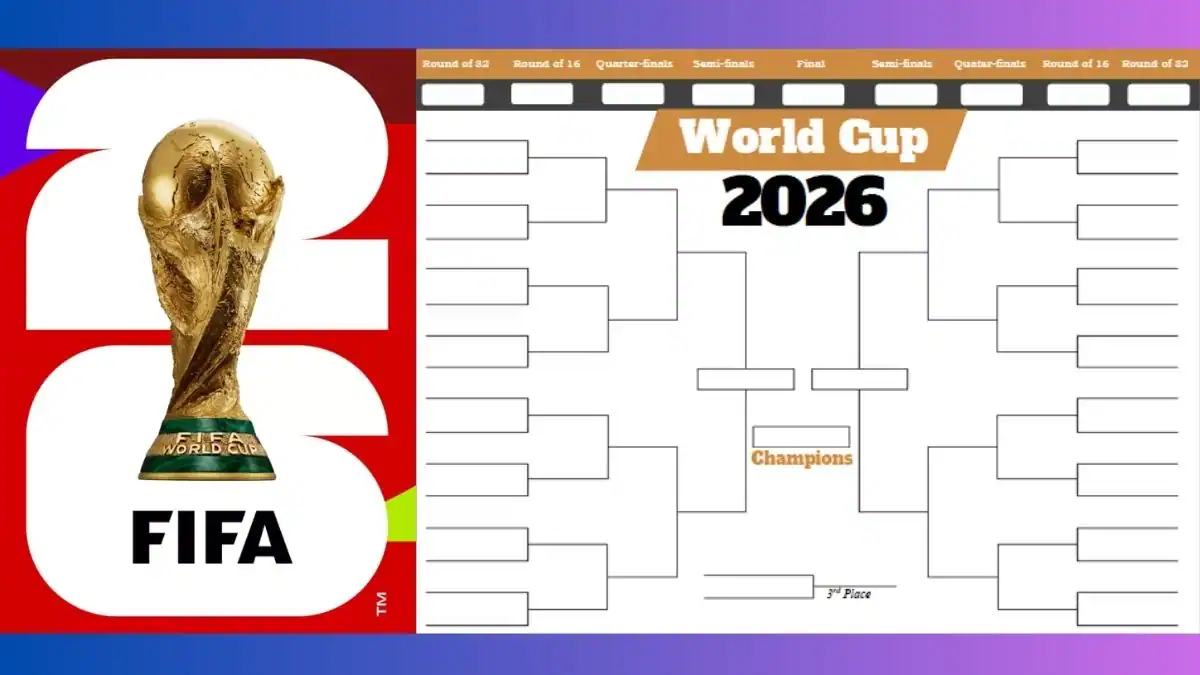
For bettors, this means the group stage will require more granular research into the depth of national team rosters. With more teams participating, the talent gap between top-tier nations and emerging programs may fluctuate, creating opportunities for those tracking player availability and injury reports. All official match schedules and group assignments are managed through the FIFA match center, which serves as the primary source of truth for tournament progression.
How to Approach Betting Markets and Odds
Betting on the World Cup involves a variety of markets, ranging from simple match-winner wagers to complex futures and player-specific props. Because the 2026 tournament is hosted across three different countries, bettors should account for travel-related fatigue and climate differences between host cities like Vancouver, Mexico City, and Miami. Professional analysts often emphasize that betting odds are dynamic; they shift based on public sentiment, betting volume, and breaking news regarding team lineups.
It is essential to distinguish between regulated sportsbooks and offshore platforms. In the United States, sports betting is regulated on a state-by-state basis, and users should verify the legality of their chosen platform via their state’s gaming commission. According to the American Gaming Association, bettors should prioritize platforms that provide clear terms of service, robust security measures, and transparent withdrawal policies. Promotional offers, such as deposit matches or “risk-free” bets, are common during major sporting events, but these often come with specific wagering requirements that must be met before funds can be withdrawn.
Key Considerations for International Bettors
The global nature of the World Cup means that betting regulations vary significantly by jurisdiction. In the European Union, sports betting is governed by a patchwork of national laws, such as the UK Gambling Commission standards, which emphasize consumer protection and responsible gambling initiatives. Bettors are encouraged to utilize resources such as self-exclusion tools and deposit limits to maintain control over their wagering activities.
When evaluating odds, experts look at historical performance data and recent qualification results. However, the unique pressure of a World Cup often leads to unpredictable outcomes. As we approach the tournament, official team rosters will be finalized, and these lists are the most critical data points for any serious analysis. Following the official announcements on the FIFA website ensures that wagers are based on accurate, confirmed information rather than speculative media reports.
Frequently Asked Questions
When does the 2026 World Cup begin?
The tournament is set to kick off on June 11, 2026, with the opening match held at Estadio Azteca in Mexico City.

How many teams are competing?
The 2026 edition will feature 48 teams, an increase from the 32 teams that competed in the 2022 World Cup in Qatar.
Where can I find official match updates?
The most reliable source for the tournament schedule, group standings, and official match times is the official FIFA World Cup 2026 portal.
Are betting odds consistent across all platforms?
No. Odds can vary between sportsbooks based on their internal risk management models and the volume of wagers they receive on specific outcomes. Shopping for the best odds is a standard practice for informed bettors.
As the countdown to June 2026 continues, the next major milestone will be the finalization of the qualified teams and the subsequent draw for the group stage, expected to take place in late 2025. Monitoring these official announcements will provide the most accurate foundation for any betting strategy. Please share your thoughts on the expanded format or join the discussion on how the three-nation host model might impact team performance in the comments below.
Worth a look