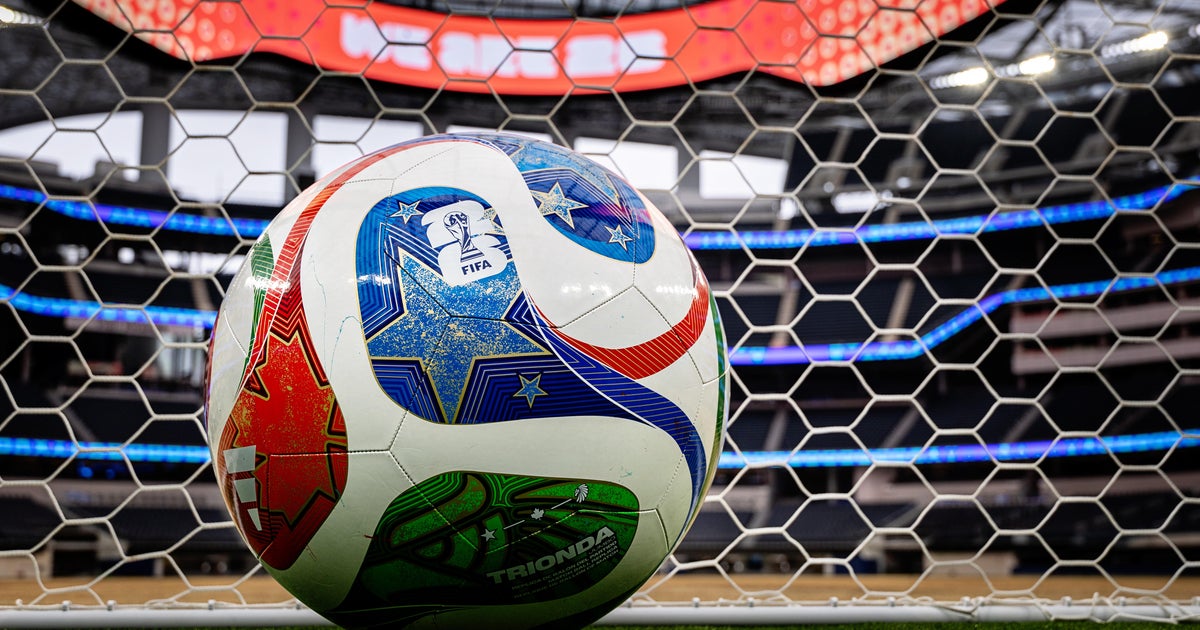
The 2026 FIFA World Cup will feature an expanded format of 104 matches hosted across 16 cities in the United States, Canada, and Mexico, marking the first time the tournament has been held across three nations. The competition is scheduled to begin on June 11, 2026, at the Estadio Azteca in Mexico City and will conclude with the final match at MetLife Stadium in East Rutherford, New Jersey, on July 19, 2026, according to official FIFA documentation.
With an unprecedented number of teams and games, the event represents a significant shift in scale for international football. The tournament will include 48 teams, an increase from the 32-team format used in previous iterations, resulting in a total of 104 matches over a five-week period. This expansion requires a complex logistical framework to manage travel and venue operations across North America, as confirmed by the FIFA tournament announcement.
Tournament Format and Venue Distribution
The 2026 FIFA World Cup will utilize 16 host cities: 11 in the United States, three in Mexico, and two in Canada. The U.S. venues include Atlanta, Boston, Dallas, Houston, Kansas City, Los Angeles, Miami, New York/New Jersey, Philadelphia, San Francisco, and Seattle. Mexico will host matches in Guadalajara, Mexico City, and Monterrey, while Canada will host games in Toronto and Vancouver. Each city has been selected based on infrastructure capacity and proximity to transit hubs, as outlined by the official tournament portal.

The structure of the competition divides the 48 teams into 12 groups of four. Following the group stage, the top two teams from each group, along with the eight best third-place teams, will advance to a newly implemented round of 32. This format ensures that the tournament remains highly competitive while accommodating the increased roster size, a change approved by the FIFA Council.
How to Watch the 2026 World Cup
Broadcasting rights for the 2026 FIFA World Cup in the United States have been secured by FOX Sports and Telemundo. Viewers can expect comprehensive coverage across these networks, including digital streaming options via their respective platforms. FIFA also provides a centralized streaming service, FIFA+, which typically offers highlights, behind-the-scenes content, and, depending on the region, live match access. Fans are encouraged to monitor the FIFA ticketing and broadcast portal for updates on local channel availability as the tournament approaches.

For international audiences, FIFA distributes broadcast rights to various regional partners. In the United Kingdom, matches are historically shared between the BBC and ITV, though specific 2026 allocations are confirmed closer to the tournament start date. Viewers in other regions should check local television listings or the official FIFA broadcaster list to identify the authorized rights holders for their specific country.
Logistical Challenges and Economic Impact
The sheer scale of the 2026 tournament presents logistical hurdles that surpass previous World Cups. With 104 games spread across three countries, teams will face significant travel demands. FIFA has stated that it plans to group teams in regional clusters to minimize travel time during the group stages, a strategy intended to balance player performance and fan experience. The regional clustering approach is detailed in the official match schedule release.
Economic analysts have noted that the 2026 event is expected to generate record-breaking revenue for the host nations through tourism, hospitality, and sponsorship. The multi-city format allows for a broader distribution of the economic benefits, though it also requires substantial investment in public transportation and security infrastructure. Cities such as Los Angeles and Mexico City have already initiated upgrades to their stadium facilities to meet FIFA’s technical requirements, as verified by city-specific reports.
Summary of Key Tournament Details
- Opening Match: June 11, 2026, at Estadio Azteca, Mexico City.
- Final Match: July 19, 2026, at MetLife Stadium, New Jersey.
- Total Teams: 48 nations competing for the title.
- Host Cities: 16 locations across the U.S., Canada, and Mexico.
- Official Information: Updates are available via the FIFA 2026 portal.
The next major milestone for the tournament will be the finalization of team qualifying stages, which are currently ongoing across all FIFA confederations. Fans can follow the progress of their national teams through the FIFA qualifying tracker. As the tournament date nears, more information regarding ticket sales and specific match times will be released by local organizing committees. Please share your thoughts on the expanded format in the comments section below.

Keep reading