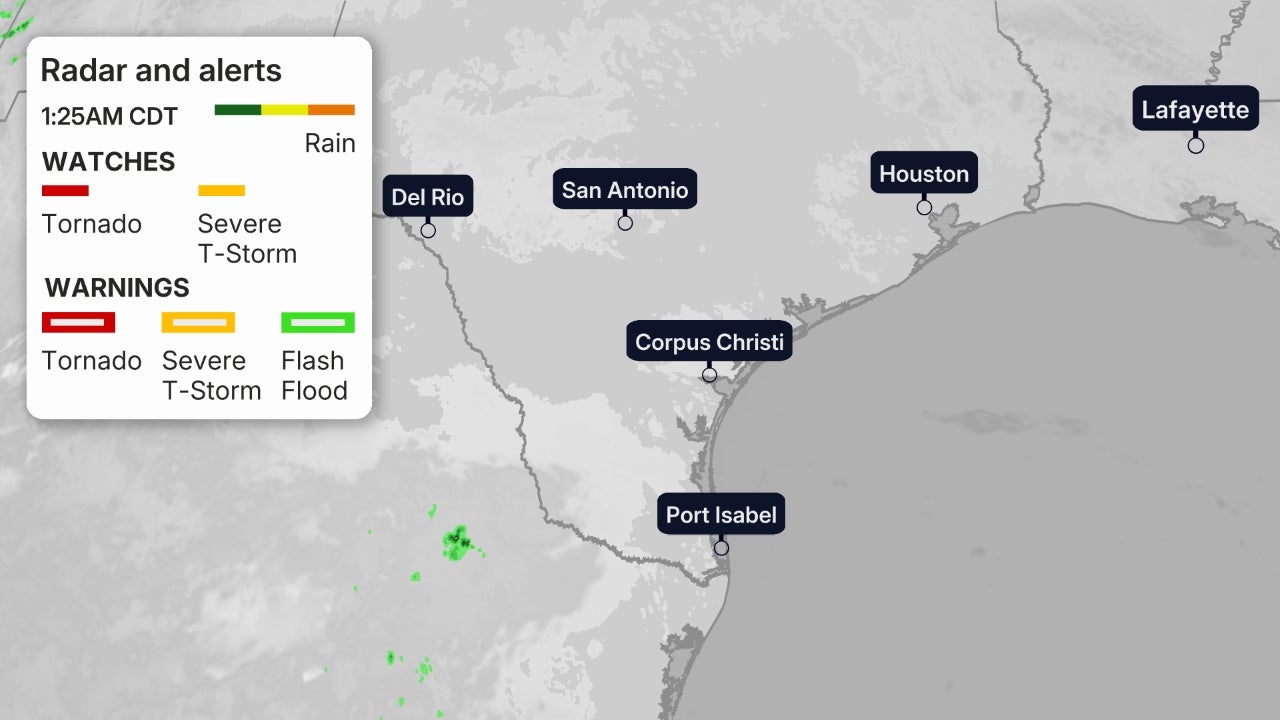
A tropical disturbance in the Gulf of Mexico is poised to dump record-breaking rainfall across Texas, Louisiana, and neighboring states, with meteorologists warning of potential tropical storm formation as early as this week. The system, currently designated Invest 90L by the National Hurricane Center, has already triggered flood watches and warnings in vulnerable regions, where soil saturation from recent storms could exacerbate the threat. Officials urge residents in low-lying areas to prepare for possible evacuations as the disturbance moves into warmer Gulf waters, fueling its intensification.
According to the National Hurricane Center (NHC), the system has a 70% chance of becoming a tropical depression or storm within the next 48 hours, with models suggesting it could track toward the Texas Gulf Coast by midweek. Meanwhile, the National Weather Service (NWS) has issued flash flood warnings for parts of southeastern Texas and southwestern Louisiana, where rainfall totals of 10–20 inches are possible over the next five days. “This isn’t just another rain event—it’s a multi-day flood threat that could rival some of the worst storms we’ve seen in recent years,” said Dr. Rick Knabb, a hurricane expert with The Weather Channel.
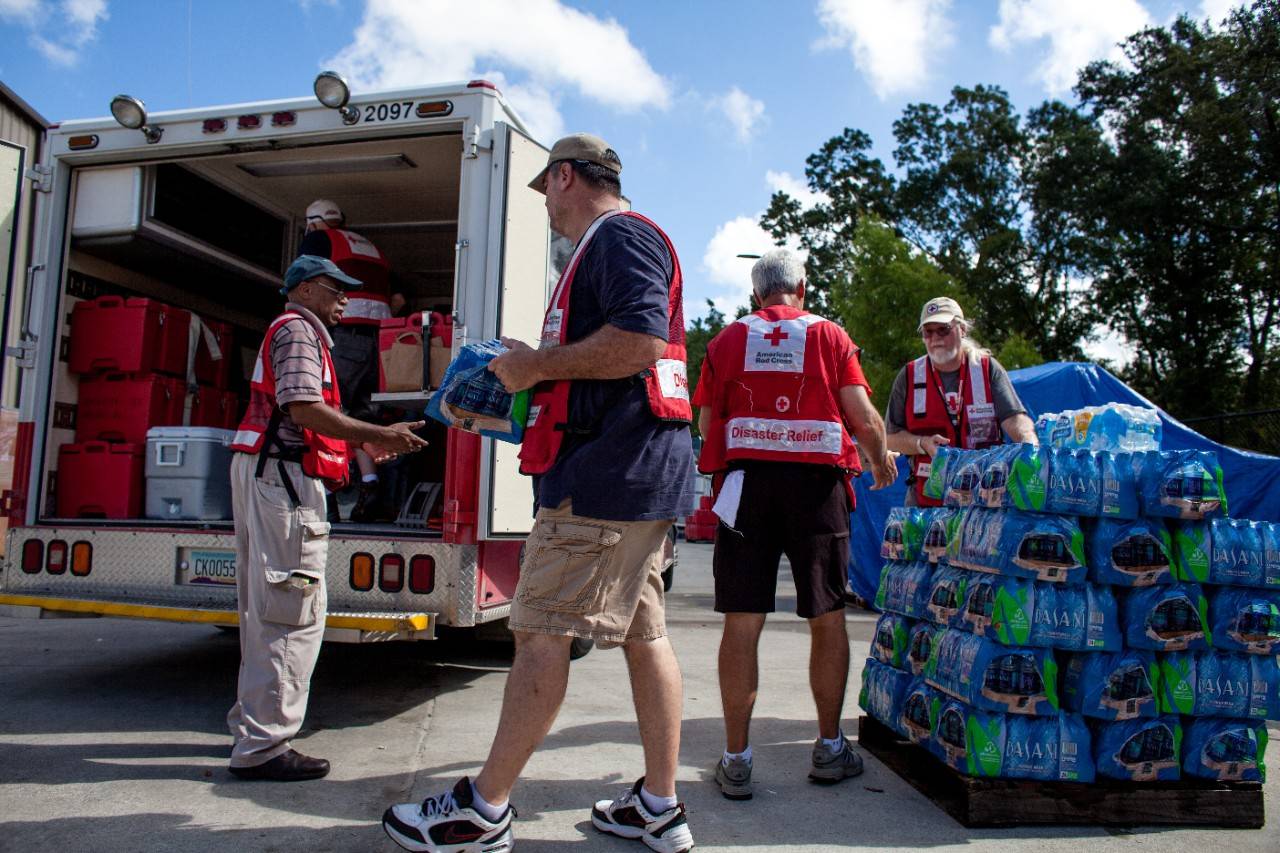
Houston, already recovering from devastating flooding in 2017 and 2022, is among the most at-risk areas. The city’s Harris County Flood Warning System has activated emergency response teams, while Louisiana’s governor has declared a state of emergency for 13 parishes, including New Orleans and Baton Rouge. The American Red Cross has pre-positioned relief supplies in affected regions, though officials caution that power outages and road closures could complicate response efforts.
Why Is This Disturbance So Dangerous?
The primary concern is the prolonged heavy rainfall expected to coincide with high tides, creating a “double threat” of river and urban flooding. Unlike a hurricane, which has a defined path, this system is expected to stall or meander over the Gulf Coast, dumping rain for three to five days in some areas. The NOAA Climate Prediction Center notes that Gulf waters are currently warmer than average—a key factor in storm intensification—while soil moisture levels remain elevated after recent storms.

Historically, similar slow-moving systems have caused catastrophic flooding. In 2021, Tropical Storm Henri stalled over New England, dumping 15–20 inches of rain and triggering widespread flooding that killed at least 11 people. More recently, Hurricane Harvey in 2017 dropped 60 inches of rain in some parts of Texas, leading to $125 billion in damages. While this system is not yet a named storm, its potential to mirror those patterns has meteorologists and emergency managers on high alert.
Where Are the Highest Flood Risks?
The National Weather Service has identified three primary zones of concern:
- Houston and the Texas Gulf Coast: Models show 12–18 inches of rain possible, with local officials warning of “life-threatening” flash flooding in urban areas. The Addicks and Barker reservoirs, which overflowed during Harvey, remain critical watch points.
- Louisiana, including New Orleans and Baton Rouge: The Atchafalaya and Mississippi River basins are already swollen, and additional rainfall could push water levels to record highs. The city’s drainage system, still recovering from Hurricane Ida in 2021, may struggle to handle the volume.
- Deep South (Mississippi, Alabama, Florida Panhandle): While rainfall totals will be lower, the risk of tornadoes and isolated flooding remains as the system’s outer bands spread inland.
To track the latest updates, residents can monitor:
- The National Hurricane Center’s advisories for storm tracking.
- Local NWS offices for hyper-localized warnings.
- FEMA’s emergency preparedness guidelines for flood safety.
What Happens Next? Key Developments to Watch
Over the next 24–48 hours, meteorologists will be watching three critical factors:
- Storm Formation: If Invest 90L strengthens into a tropical depression or storm, it could earn a name—potentially Arthur, the first storm of the 2024 Atlantic hurricane season. The NHC will issue its next full advisory by 11:00 AM EDT [today’s date], with updated track forecasts.
- Rainfall Forecast Refinement: Current models suggest 10–15 inches for the hardest-hit areas, but adjustments are likely as the system’s path becomes clearer. The Weather Prediction Center will update its quantitative precipitation forecasts (QPFs) by midday Tuesday.
- Government Response: The White House and FEMA are coordinating with state officials to assess federal aid needs. As of now, no major disaster declaration has been requested, but that could change if flooding worsens.
For residents in flood-prone areas, now is the time to act. The Red Cross recommends:
- Moving valuables and electronics to higher floors.
- Filling bathtubs and containers with water for sanitation.
- Avoiding travel unless absolutely necessary, as roads may become impassable.
How Does This Compare to Past Gulf Storms?
While no two storms are identical, this disturbance shares key similarities with recent high-impact systems:
| Storm | Year | Peak Rainfall (Inches) | Flooding Impact | Key Difference |
|---|---|---|---|---|
| Hurricane Harvey | 2017 | 60+ (some areas) | Catastrophic urban flooding in Houston | Stalled over Texas for days, dumping record rainfall. |
| Tropical Storm Imelda | 2019 | 40+ | Widespread river flooding in Southeast Texas | Slow-moving, but weaker winds than Harvey. |
| Invest 90L (Current) | 2024 | 10–20+ (forecast) | Potential multi-state flood emergency | Earlier in the season; Gulf waters are warmer than average. |
Source: NOAA historical data, NHC archives
Who Is Most at Risk?
The flood threat disproportionately affects several groups:
- Low-income communities: Areas like Port Arthur, Texas and Grand Isle, Louisiana, which lack robust drainage infrastructure, face higher risks. A 2023 study found that Black and Latino neighborhoods are three times more likely to experience repeated flooding.
- Elderly and disabled residents: Mobility challenges make evacuations difficult. The CDC recommends pre-identifying shelter locations for those who may need assistance.
- Coastal fishing communities: Towns like Galveston, Texas and Terrebonne Parish, Louisiana rely on tourism and seafood industries, both of which could be disrupted by prolonged closures.
Emergency managers are also monitoring aging levee systems in Louisiana, where some structures date back to the 1960s and may not withstand prolonged heavy rain. The Louisiana Coastal Protection and Restoration Authority has deployed additional crews to inspect high-risk areas.
What Should You Do If You’re in a Flood Zone?
If you live in an area under a flood watch or warning, follow these steps:
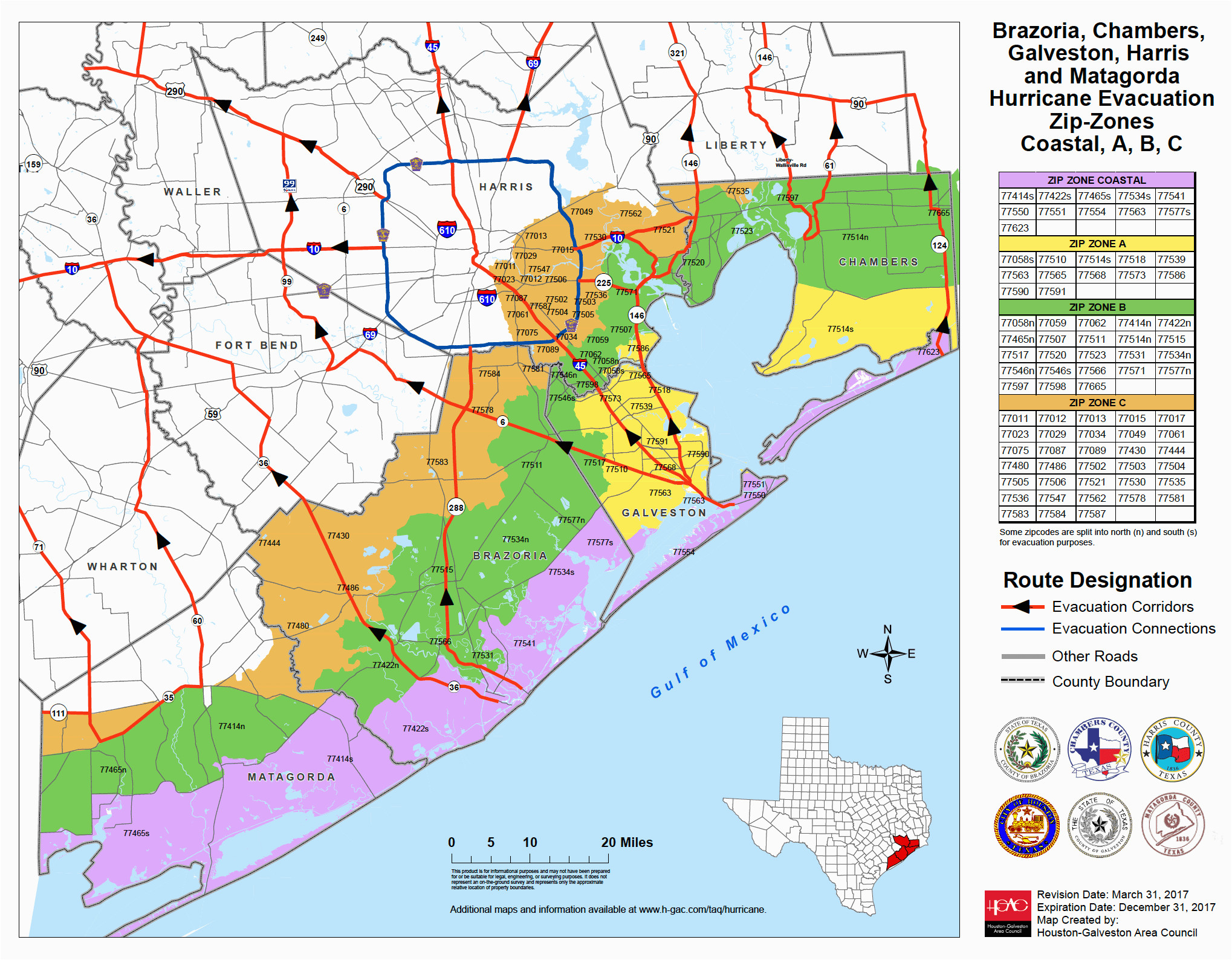
- Know your evacuation route: Use local government maps (e.g., Houston’s emergency guide) to identify safe exits.
- Prepare an emergency kit: Include three days of water, non-perishable food, medications, and important documents in a waterproof bag.
- Monitor alerts: Sign up for Wireless Emergency Alerts (WEA) and follow local news for real-time updates.
- Avoid driving through floodwaters: Just 6 inches of moving water can sweep away a car, according to the Federal Emergency Management Agency (FEMA).
For the latest official updates, bookmark these resources:
- National Hurricane Center (storm tracking)
- National Weather Service (localized alerts)
- FEMA’s flood safety page
- FEMA’s flood preparedness guide
Next Checkpoint: The NHC will issue its next full advisory at 11:00 AM EDT [today’s date], with updated track forecasts and rainfall projections. State emergency management agencies will also hold briefings by 3:00 PM EDT to outline response plans.
Have you experienced flooding in your area? Share your story in the comments below—or help others by spreading this critical information. Stay safe, and check back for updates as the situation evolves.
Related reading