
The Intensifying Role of Affective Polarization in US Presidential Elections
The landscape of American presidential elections has undergone a significant change, increasingly driven not by reasoned policy preferences, but by powerful emotional forces. Recent electoral cycles, particularly the 2024 election, reveal a growing trend where voters are motivated more by intense feelings – both positive and negative – towards candidates than by detailed consideration of their platforms. This phenomenon, known as affective polarization, is reshaping the electorate and demanding a reevaluation of traditional political analysis.
The Rise of Personality-Driven Voting
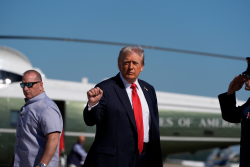
The 2024 presidential contest vividly illustrated the power of personality-driven voting. Approximately 77 million ballots where cast in favor of former President Trump, and a ample portion of these votes weren’t necessarily endorsements of specific policies. Instead, they represented a fervent allegiance to the individual himself - a manifestation of the “MAGA” sentiment. This suggests that millions of voters were primarily motivated by a desire to support Donald trump, rather than a calculated assessment of his proposed governance strategies.
This isn’t a new phenomenon, but its scale has demonstrably increased. While personality has always played a role in elections, the degree to which it now overshadows policy considerations is alarming. Consider the historical context: even in the charismatic era of john F. kennedy, voters still engaged with substantive debates about the Cold War and domestic policy. Today, the focus often centers on a candidate’s perceived character, authenticity, and cultural alignment with the voter.
Affective polarization: A Deeper Dive
Affective polarization goes beyond simple disagreement on policy issues. It involves a deep-seated dislike and distrust of those who identify with the opposing political party. This animosity can manifest in various ways, from social media hostility to decreased willingness to engage in civil discourse. A recent report by More in Common (October 2025) identifies six distinct “tribes” within the American electorate, each characterized by unique values and levels of political animosity. These tribes range from “Progressive Activists” to “Traditional Conservatives,” and the report highlights the growing distance between them.
The consequences of this polarization are far-reaching. It erodes social cohesion, hinders compromise, and makes it increasingly difficult to address pressing national challenges. Furthermore, it creates an surroundings ripe for misinformation and conspiracy theories, as individuals are more likely to believe details that confirms their existing biases.
the Impact on Political Discourse and Strategy
The dominance of affective polarization has fundamentally altered political discourse. Campaigns now prioritize mobilizing existing supporters through emotionally charged messaging rather than attempting to persuade undecided voters with nuanced policy proposals. This shift has lead to a decline in substantive debate and an increase in negative campaigning.
Consider the strategies employed during the 2024 election. both campaigns heavily relied on appeals to emotion, framing their opponents as existential threats to the nation. This approach, while effective in galvanizing their respective bases, further deepened the divisions within the electorate. the use of targeted advertising on social media platforms, leveraging sophisticated data analytics to identify and appeal to specific emotional vulnerabilities, became a defining feature of the campaign.
| Feature | Traditional Campaigns | Modern, Affect-Driven Campaigns |
|---|---|---|
| Primary Focus | Policy Proposals & Persuasion | Emotional Mobilization & Base Activation |
| Messaging Style | Nuanced & Detailed | Simplified & emotionally Charged |
| Target Audience | Undecided Voters | Existing Supporters |
| Media Strategy | Broadcasting & Traditional Media | Social Media & Targeted Advertising |
Looking Ahead: Mitigating the Effects of Polarization
Addressing the challenges posed by affective polarization requires a multifaceted approach. Strengthening civic education, promoting media literacy, and fostering opportunities for cross-partisan dialog are crucial steps.





