The Open Championship 2028: Navigating the Olympic Golf Calendar Conflict
The world of professional golf is constantly adapting, and a recent decision by The R&A – the governing body behind The Open Championship - exemplifies this. To avoid a direct clash with the Los Angeles olympics golf tournament in 2028, the 156th iteration of golf’s oldest major will be moved from its traditional mid-July slot to August 3-6. This adjustment, while seemingly minor, has important implications for the global golf calendar and the strategic planning of players, sponsors, and fans alike. Let’s delve into the details, the reasoning, and the broader context of this scheduling shift.
Why the Date Change? A Collision Course Avoided
The core reason for the adjustment is the timing of the 2028 Los Angeles Olympics golf competition, scheduled for July 19-29. Holding The Open Championship concurrently would have created a logistical nightmare and a potential conflict for players aiming to compete in both prestigious events. Imagine the travel demands, the differing course conditions, and the pressure of peak performance required for both tournaments.
Mark Darbon, Chief Executive of The R&A, emphasized the importance of providing clarity for the global golf calendar. This proactive approach allows players, their teams, and event organizers to plan effectively, minimizing disruption and maximizing participation. The Senior Open (August 10-13) and the Women’s Open (August 17-20) will also follow suit, creating a concentrated period of major championship golf in August.
The Ripple Effect: Impact on Players and the Golf Calendar
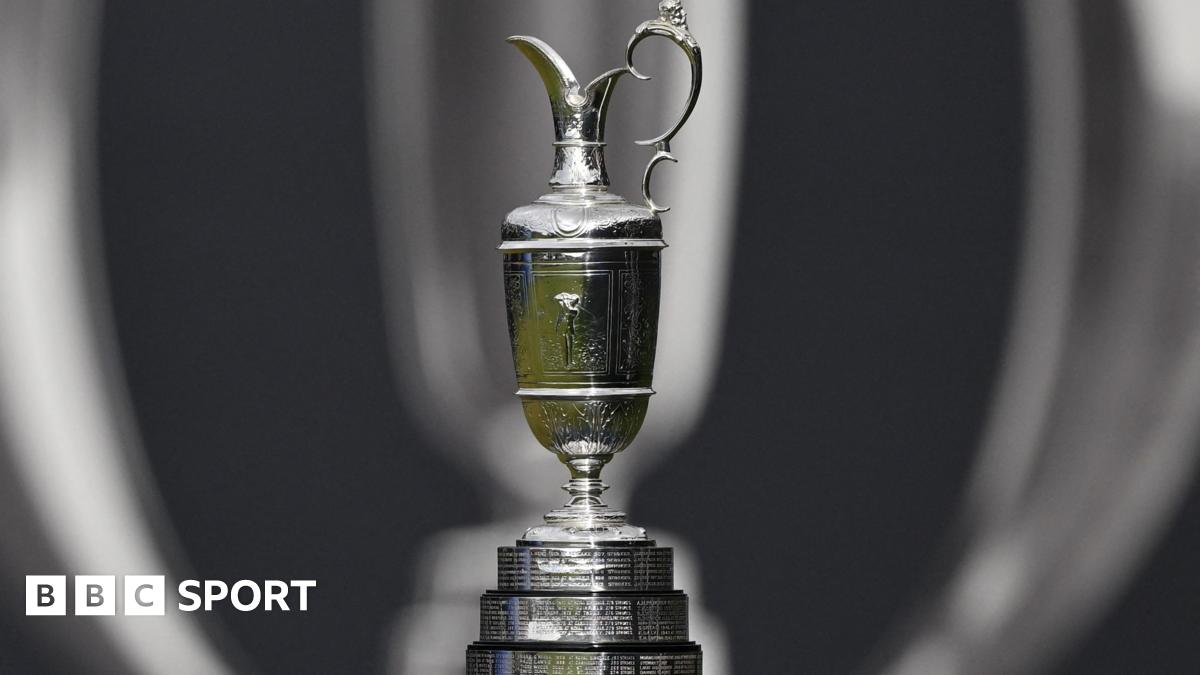
This isn’t simply a date shift on a calendar. It’s a strategic maneuver with far-reaching consequences. players who aspire to represent their countries in the Olympics and contend for the Claret Jug will need to carefully manage their schedules and peak performance windows.
The move also impacts television broadcasting schedules, sponsorship activations, and fan travel arrangements. August, traditionally a quieter month for golf after the PGA Championship, will now become a focal point. This could potentially boost viewership and engagement, but also presents challenges for event organizers in terms of marketing and logistics.
A look at the Broader Context: Golf and the Olympics
The inclusion of golf in the Olympic Games, after a 112-year absence, has been a subject of debate. While some argue it elevates the sport’s global profile,others question its fit within the Olympic ethos. The 2016 Rio Olympics saw a somewhat muted reception, partly due to concerns about the Zika virus and the absence of several high-profile players.
The 2020 Tokyo Olympics (held in 2021) saw increased participation and a more excited response. The Los Angeles Games, being held in a major golf market, are expected to generate even greater interest. This heightened Olympic focus likely played a role in The R&A’s decision to avoid a scheduling conflict.
The Future of Major Championship scheduling
This situation raises a broader question: how will major championships navigate the increasingly crowded global sports calendar? The rise of esports, the expansion of other professional leagues, and the growing number of international sporting events all contribute to this challenge.
Collaboration between governing bodies, such as The R&A, the USGA, the PGA of America, and the International Olympic Committee, will be essential to ensure a balanced and sustainable schedule. Data-driven analysis of viewership trends, player participation rates, and fan engagement metrics will also be crucial in making informed decisions.



![Men’s College Basketball Power Rankings: Top 25 Updated – Kentucky, [Date]](https://a3.espncdn.com/combiner/i?img=%2Fphoto%2F2025%2F1224%2Fr1593223_1296x729_16%2D9.jpg "Men’s College Basketball Power Rankings: Top 25 Updated – Kentucky, [Date]")