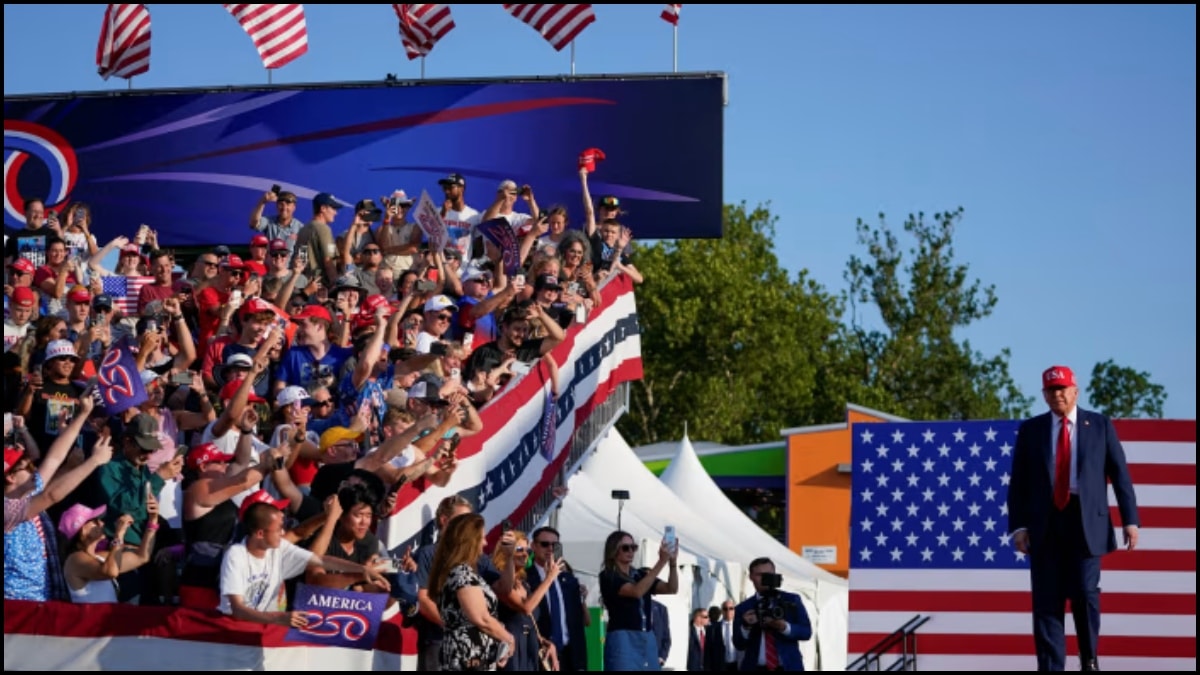
As the United States approaches its 250th anniversary in 2026, the country’s institutional framework faces a period of intense scrutiny regarding the durability of its system of checks and balances. The return of Donald Trump to the political forefront has reignited a national debate over the robustness of the constitutional mechanisms designed by the Founders to prevent the concentration of power within any single branch of government.
The U.S. Constitution, ratified in 1788, establishes a separation of powers between the legislative, executive, and judicial branches. According to the National Archives and Records Administration, this structure was intended to create a system where each branch limits the others, ensuring no individual or group gains absolute control. Current discourse centers on whether these mechanisms—such as congressional oversight, judicial review, and the standard bureaucratic processes of the executive branch—remain effective in the face of modern political polarization and shifts in executive authority.
The Evolution of Executive Power
Concerns regarding the scope of presidential authority have become a central theme in contemporary American politics. Political scientists and historians have frequently analyzed how the executive branch has expanded its influence over the last century, a trend that critics argue has accelerated in recent years. The Brennan Center for Justice has noted that the accumulation of power within the White House often challenges the traditional oversight roles held by Congress, particularly regarding emergency powers and administrative rulemaking.

When legal challenges reach the judiciary, the courts are tasked with interpreting the boundaries of this authority. The Supreme Court of the United States plays the final role in determining whether executive actions align with constitutional mandates. As documented in various Supreme Court slip opinions, the Court’s rulings often define the limits of agency discretion and the extent to which the President can influence federal operations without legislative approval.
Institutional Oversight and Congressional Authority
The legislative branch holds the power of the purse and the authority to conduct oversight, which serves as a critical check on the executive. However, the effectiveness of these tools is often mediated by the political composition of the House and Senate. According to data from the U.S. Senate legislative records, the ability of committees to compel testimony and access documents has historically fluctuated depending on the level of partisan cooperation.

In the current environment, the reliance on these institutional levers is being tested. Observers point to the frequent use of litigation as a secondary check, where private citizens, advocacy groups, and state attorneys general challenge executive orders in federal court. This shift highlights a trend where the courtroom has become a primary venue for resolving fundamental disputes about the reach of government authority.
Historical Context of the 250th Anniversary
The United States will celebrate its semiquincentennial on July 4, 2026. This milestone serves as a focal point for assessing the health of the republic’s democratic foundations. The U.S. Semiquincentennial Commission, established by Congress, is currently coordinating efforts to mark the anniversary, emphasizing themes of history and civic engagement. For many scholars, this celebration is not merely a historical commemoration but a moment to evaluate the resilience of the constitutional order.
The debate over the stability of these institutions is multifaceted. Some argue that the system is functioning as intended, with the courts and legislature consistently asserting their roles. Others suggest that the norms and traditions—unwritten rules that often govern political behavior—have weakened significantly. As noted by the Pew Research Center, public confidence in major national institutions has seen marked shifts, reflecting a broader societal questioning of how effectively the government represents the interests of the citizenry.
What Happens Next
The next major institutional test will involve the upcoming administrative and judicial cycles, where pending litigation regarding executive authority is expected to reach higher courts. The Department of Justice and various federal agencies will continue to file briefs in response to these challenges, providing the public with official rationales for current policy shifts. Readers can track these developments through the Department of Justice newsroom, which publishes updates on significant filings and legal stances taken by the federal government.

As the nation moves closer to 2026, the ongoing tension between executive ambition and institutional restraint will likely remain a defining feature of the American political landscape. The resilience of the democratic experiment continues to be measured by the willingness of its institutions to adhere to the rule of law. We encourage our readers to share their perspectives on this evolution in the comments section below and stay informed through our ongoing coverage of these developments.