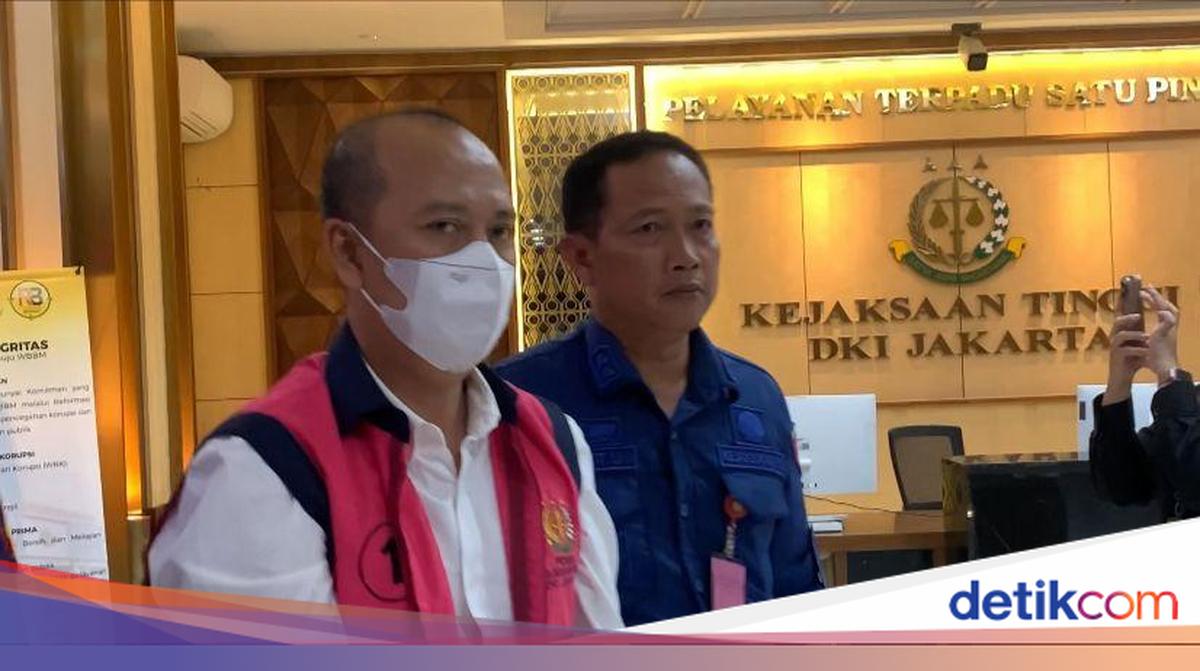
The Jakarta High Prosecutor’s Office (Kejaksaan Tinggi DKI Jakarta) has formally escalated its investigation into allegations of corruption within the Ministry of Public Works, confirming the designation of three suspects in a case involving an estimated financial loss of Rp 16 billion. The legal proceedings, which center on alleged irregularities in project procurement and gratification, represent a significant development in the ongoing efforts by Indonesian authorities to address systemic graft within public infrastructure sectors.
As investigators continue to compile evidence, the case has drawn widespread public attention due to the high-ranking nature of the individuals involved. The prosecution’s move to name these suspects follows a comprehensive series of inquiries into financial discrepancies that authorities believe hampered the efficiency and integrity of ministry-led water resource management projects. This development aligns with broader national mandates under the Law on the Corruption Eradication Commission, which empowers state institutions to pursue rigorous accountability for public sector mismanagement.
Investigation Overview: Allegations of Bribery and Gratification
At the heart of the investigation is a complex web of alleged bribery and project-related gratification. Prosecutors have indicated that the suspects were involved in a scheme that diverted significant state funds, totaling approximately Rp 16 billion. According to official statements from the Jakarta High Prosecutor’s Office, the investigation specifically scrutinizes the abuse of authority in the administration of water resource projects, where funds were ostensibly siphoned through falsified project documentation and illicit kickbacks.

The investigation has highlighted the role of former officials within the ministry’s Directorate General of Water Resources. Reports confirm that the suspects include former high-ranking bureaucrats who allegedly leveraged their positions to secure personal financial gain. Among the specific allegations being scrutinized by the prosecution are claims involving the receipt of significant cash payments and high-value luxury assets, which investigators believe were provided in exchange for project influence.
Legal Status and Institutional Response
The formal designation of these individuals as suspects is a critical milestone in the judicial process. Under the Indonesian Corruption Eradication Law, the prosecution must now solidify its case file through the collection of witness testimonies, forensic financial audits, and physical evidence of the alleged illicit transactions. The suspects, who held senior roles, are currently being processed under rigorous detention protocols to ensure the integrity of the ongoing investigation.
The Ministry of Public Works has publicly signaled its cooperation with the legal process, reiterating its commitment to institutional reform and the removal of individuals involved in corrupt practices. While the investigation remains in an active phase, the prosecutor’s office has emphasized that the collection of evidence is moving forward in accordance with the Indonesian Criminal Procedure Code (KUHAP), which governs the rights of the accused and the procedural requirements for state-led investigations.
What Happens Next: Judicial Timelines
For observers and stakeholders, the next phase of this case will revolve around the completion of the investigation dossier and its subsequent transfer to the Corruption Court (Pengadilan Tipikor). Prosecutors are expected to finalize their indictment charges, which will formally detail the specific violations of the Anti-Corruption Law applicable to each suspect.

The legal team for the suspects is expected to have the opportunity to challenge the prosecution’s findings during preliminary hearings. These sessions will serve as a crucial test for the evidence gathered thus far. As the situation evolves, the Jakarta High Prosecutor’s Office is expected to provide periodic updates on the status of the detention period and the scheduling of initial court appearances.
We will continue to monitor these developments closely, providing updates as new information becomes available from official court filings and prosecutor briefings. We encourage our readers to engage with this report by sharing their perspectives on the importance of transparency in public infrastructure management. For those interested in the broader context of anti-corruption initiatives in Indonesia, please refer to the official portal of the Corruption Eradication Commission for ongoing public announcements regarding national integrity efforts.
Worth a look