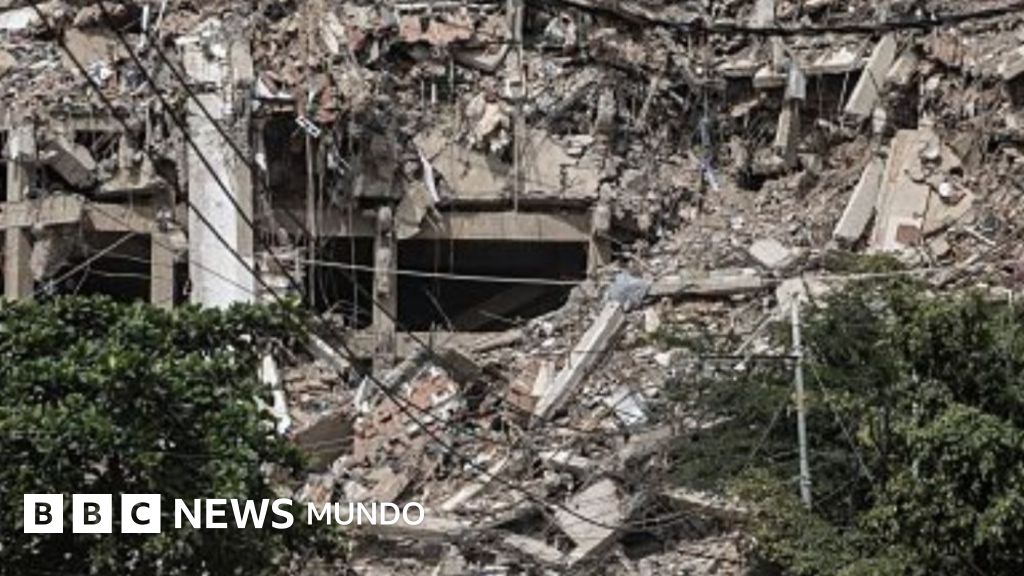
Structural failures in La Guaira, Venezuela, were driven by a combination of poor soil quality, inadequate construction materials, and a lack of adherence to seismic building codes, according to engineering analyses and reports from BBC Mundo. These factors contributed to the widespread collapse of residential and commercial buildings during seismic activity in the region, where the geography creates a high-risk environment for urban development.
The coastal state of La Guaira sits in a precarious geological position, squeezed between the Caribbean Sea and the steep slopes of the Avila mountain range. This topography makes the area susceptible to both landslides and intense seismic shaking. Experts cited by BBC Mundo indicate that the magnitude of destruction in this specific region often exceeds what would be expected from the earthquake’s magnitude alone due to how the local ground amplifies seismic waves.
The devastation is not merely a result of natural forces but is tied to systemic failures in urban planning and oversight. In many instances, buildings that should have withstood moderate tremors collapsed entirely, pointing to a crisis in construction quality and regulatory enforcement in Venezuela.
Why did so many buildings collapse in La Guaira?
The primary driver of the collapses was the use of “soft soils” or unconsolidated sediments. According to geological experts, seismic waves travel more slowly through soft soil than through solid rock, which causes the waves to increase in amplitude. This effect, known as soil amplification, means that buildings constructed on the sandy or alluvial plains of La Guaira experience much more violent shaking than those on firmer ground.

This geological vulnerability was compounded by the “pancake collapse” phenomenon. This occurs when the vertical support columns of a building fail, causing the upper floors to drop flat onto the floor below. Engineering reports highlight that this specific type of failure is almost always the result of insufficient reinforcement in the columns, making the structures unable to absorb the lateral forces of an earthquake.
Furthermore, the quality of the materials used in many La Guaira constructions failed to meet international safety standards. Reports indicate the use of low-grade concrete and insufficient steel rebar. When the soil amplified the tremors, these weakened structures lacked the ductility needed to sway without breaking, leading to immediate and total structural failure.
How did the lack of building codes impact the damage?
While Venezuela has established seismic codes, such as the COVENIN standards, enforcement has been inconsistent. Experts explain that many buildings in La Guaira were constructed without proper seismic ties—the steel reinforcements that bind beams to columns—which are essential for keeping a building intact during a quake.
The absence of professional oversight during the construction process allowed for “informal” building practices. In many residential areas, structures were expanded vertically without reinforcing the original foundations. This added weight increased the inertial force during the earthquake, essentially pulling the buildings down under their own weight once the support columns cracked.
The impact of these failures is most evident when comparing newer, code-compliant structures with older or informal ones. While some modern buildings remained standing, the older housing stock and hastily built commercial blocks suffered catastrophic failure, confirming that the level of destruction was directly proportional to the lack of engineering rigor.
What are the long-term risks for the region?
The region remains at high risk because the underlying geological issues cannot be changed. The proximity to the San Sebastian fault system ensures that seismic activity will continue to threaten the coast. Without a massive overhaul of existing structures and a strict mandate for new construction, future tremors will likely produce similar results.
Urban planners warn that the combination of steep terrain and coastal saturation makes the area prone to “liquefaction.” This is a process where saturated soil loses its strength and behaves like a liquid during an earthquake, causing even well-built structures to tilt or sink into the ground. This risk is particularly high in the low-lying areas of La Guaira where the water table is high.

For residents, this means that safety is not just about the building they live in, but the land it sits on. The necessity for deep-pile foundations—which reach down to the bedrock—is often ignored due to cost, leaving thousands of people in vulnerable housing.
The next critical step for the region involves the implementation of a comprehensive structural audit of all multi-story buildings in the state to identify those at immediate risk of collapse. Local authorities have not yet released a finalized schedule for a state-wide certification process.
Share this report to raise awareness about seismic safety and leave your comments below on how urban planning can better protect vulnerable coastal cities.