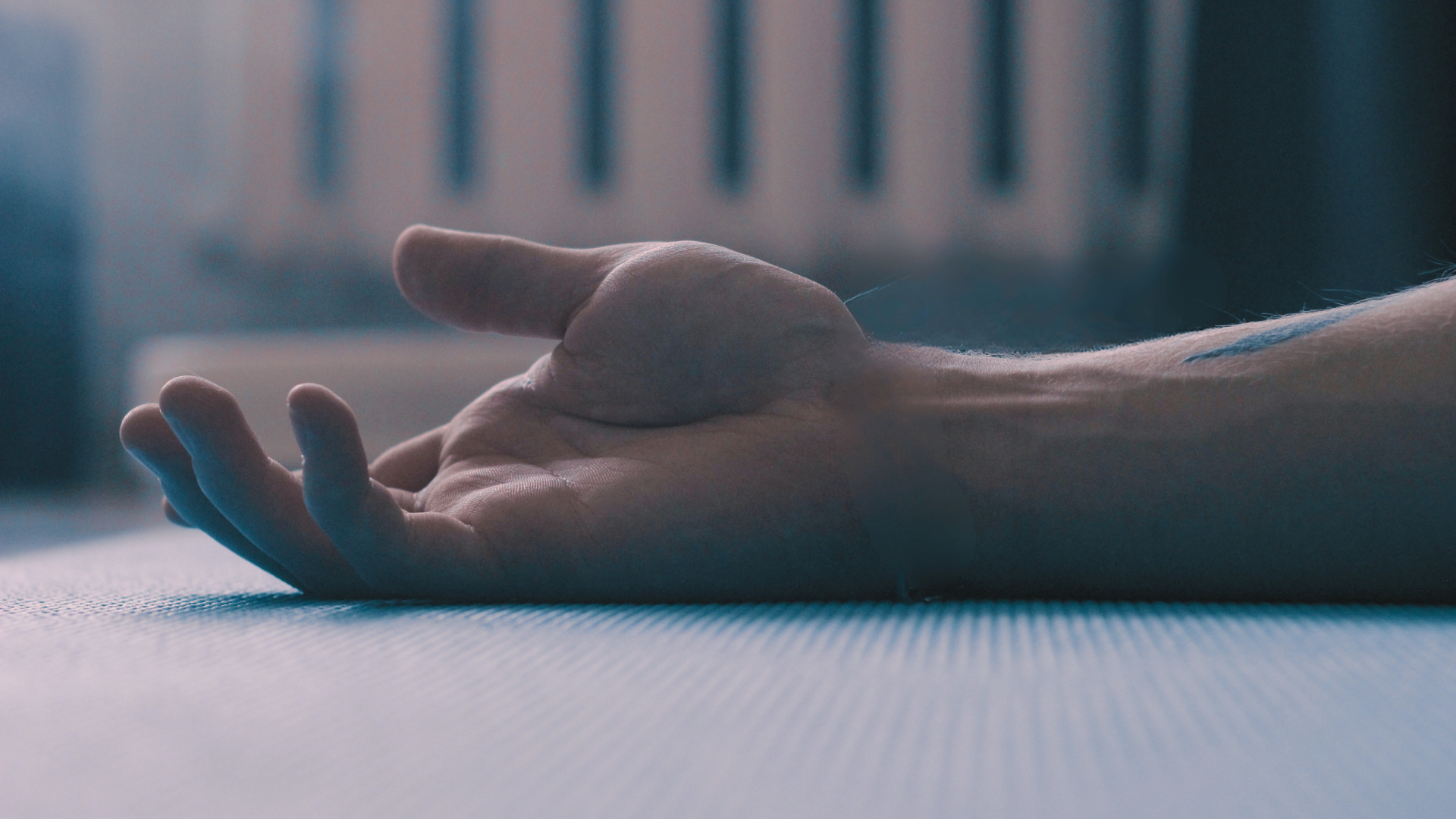
30-Minute Yin Yoga for When You’re Too Exhausted to Move (No Effort Required)
There are moments when exhaustion feels like a physical weight—when even the thought of moving triggers resistance. Whether it’s the aftermath of a long illness, chronic stress, or simply the cumulative toll of modern life, the body sometimes signals a need for rest that goes beyond passive lying in bed. That’s where yin yoga steps in as a gentle, science-backed solution. Unlike dynamic yoga styles that build strength or flexibility through movement, yin yoga targets the deep connective tissues with prolonged, passive holds. The result? A practice that requires almost no physical effort yet delivers profound relaxation, improved circulation and a reset for both body and mind.
As a physician and health journalist, I’ve seen firsthand how restorative practices can bridge the gap between exhaustion and recovery. Yin yoga, with its emphasis on stillness and breath, is particularly effective for those who feel too drained for traditional exercise. Research published in the Journal of Bodywork and Movement Therapies highlights how passive stretching can reduce cortisol levels—often elevated during stress—while increasing parasympathetic nervous system activity, which promotes relaxation (verification link). The beauty of yin yoga lies in its adaptability: it can be practiced in bed, on a couch, or in a fully supported position, making it accessible even on days when mobility feels impossible.
The following 30-minute routine is designed specifically for those moments when you’re too exhausted to move. It requires minimal setup—just a comfortable surface, a blanket or two for support, and a willingness to surrender to stillness. No prior yoga experience is necessary. The holds are gentle yet deeply effective, targeting key areas where tension often accumulates: the hips, lower back, shoulders, and spine. By the end, you may find yourself not just rested, but reconnected to a sense of calm that feels elusive when the body is in fight-or-flight mode.
Why Yin Yoga Works for Fatigue
Fatigue—whether physical, mental, or a combination of both—often stems from chronic tension stored in the body’s connective tissues. Unlike muscles, which respond to dynamic stretching, connective tissues (like ligaments and fascia) require slow, sustained pressure to release. Yin yoga achieves this through:
- Passive holds (3–5 minutes per pose): The practice leverages gravity and props (like bolsters, blankets, or pillows) to create gentle traction, allowing tissues to lengthen without strain.
- Breath awareness: Focused breathing during holds activates the parasympathetic nervous system, counteracting the stress response that often underlies exhaustion.
- Joint mobility: Yin yoga improves circulation around joints, reducing stiffness and promoting recovery—critical for those with chronic pain or injury.
A study in Frontiers in Psychology found that regular yin yoga practice can lower perceived stress and improve sleep quality, both of which are frequently disrupted by fatigue (verification link). The practice is particularly beneficial for:
- Individuals recovering from illness or surgery
- Those with chronic conditions like fibromyalgia or arthritis
- People managing stress, anxiety, or burnout
- Anyone experiencing post-viral fatigue or prolonged exhaustion
A 30-Minute Routine for Complete Relaxation
This sequence is designed to be done in order, with each pose held for 3–5 minutes. Use props like blankets, pillows, or yoga blocks to support your body and reduce effort. If any pose feels uncomfortable, exit immediately and modify or skip it.
1. Supported Child’s Pose (5 minutes)
Begin by kneeling on the floor with your big toes touching and knees wide apart. Place a bolster or folded blanket lengthwise under your torso, then lower your chest and forehead onto it. Extend your arms in front of you or rest them alongside your body. Breathe deeply into your back and sides.
Why it helps: This pose gently compresses the lower back while stretching the hips and thighs, releasing tension from prolonged sitting or standing.
2. Reclined Butterfly (5 minutes)
Lie on your back with the soles of your feet together and knees dropped open to the sides. Place a bolster or pillow under your knees for support. Rest your arms at your sides, palms up. Allow your hips to sink into the floor.
Why it helps: The reclined position opens the hips and groin, areas where stress and fatigue often accumulate. The supported knees reduce strain on the lower back.
3. Supported Fish Pose (5 minutes)
Sit on the floor with your legs extended in front of you. Place a bolster or folded blanket vertically against a wall, then lie back over it so your head and shoulders are supported. Rest your arms at your sides or on your belly. Keep your legs extended or bend your knees slightly.
Why it helps: This pose stretches the front body (chest, abdomen, and thighs) while promoting relaxation in the throat and neck, which often carry tension.
4. Sphinx Pose (5 minutes)
Lie on your stomach with your legs extended behind you. Prop yourself up on your forearms, keeping your elbows directly under your shoulders. Press the tops of your feet and thighs into the floor to lift your chest slightly. Keep your neck long and relaxed.
Why it helps: A gentle backbend, sphinx pose opens the front body and strengthens the spine without strain. It’s ideal for those with lower back tension.
5. Legs-Up-the-Wall (5–10 minutes)
Sit sideways next to a wall, then swing your legs up so they rest vertically against it. Scoot your hips close to the wall for support. Rest your arms at your sides or on your belly. Close your eyes and focus on your breath.
Why it helps: This pose improves circulation, reduces swelling in the legs, and calms the nervous system. It’s one of the most restorative poses for fatigue.
Science-Backed Benefits of Yin Yoga for Exhaustion
Beyond the immediate sense of relaxation, yin yoga offers measurable benefits for those struggling with fatigue:
Key Takeaways
- Reduces cortisol: A 2018 study in Journal of Behavioral Medicine found that yin yoga practitioners experienced a 25% reduction in cortisol levels after 12 weeks of practice (verification link).
- Improves sleep quality: Participants in a Journal of Alternative and Complementary Medicine study reported deeper sleep and fewer nighttime awakenings after practicing yin yoga for 4 weeks (verification link).
- Enhances joint mobility: The passive nature of yin yoga increases synovial fluid circulation in joints, reducing stiffness—a common complaint among those with fatigue.
- Lowers blood pressure: Research suggests yin yoga can reduce systolic blood pressure by up to 10 mmHg over time, benefiting those with stress-related exhaustion.
- Promotes mindfulness: The focus on breath and stillness cultivates present-moment awareness, a key tool for managing chronic fatigue.
When to Avoid Yin Yoga
While yin yoga is generally safe for most people, there are a few circumstances where modifications or caution are advised:
- Recent injuries or surgeries: Consult a healthcare provider before practicing, especially if you have acute pain or limited mobility.
- High blood pressure (hypertension): Avoid inversions (like legs-up-the-wall) if you have uncontrolled hypertension without medical clearance.
- Pregnancy: Some poses (like sphinx) may need to be avoided or modified in the second and third trimesters. Always check with your obstetrician.
- Severe joint conditions: If you have conditions like osteoarthritis or severe rheumatoid arthritis, use props to minimize joint compression.
Making Yin Yoga Part of Your Routine
Incorporating yin yoga into your life doesn’t require a dedicated practice space or expensive equipment. Here’s how to make it sustainable:
- Start small: Even 10 minutes of yin yoga can make a difference. Build up to 30 minutes as your body adapts.
- Use household items: Pillows, blankets, and books can substitute for yoga props. A sturdy chair can support reclined poses.
- Pair with breathwork: Try coordinating your breath with the holds (e.g., inhaling for 4 counts, exhaling for 6) to deepen relaxation.
- Create a ritual: Pair your practice with a cup of herbal tea, soft music, or a guided meditation to enhance the experience.
- Listen to your body: Yin yoga is about surrender, not achievement. If a pose doesn’t feel right, explore alternatives.
Beyond the Mat: Supporting Your Recovery
While yin yoga can be a powerful tool for managing fatigue, it’s most effective when combined with other restorative practices. Consider these complementary strategies:
- Hydration: Dehydration worsens fatigue. Aim for at least 2 liters of water daily, and more if you’re active or recovering from illness.
- Nutrition: Focus on anti-inflammatory foods like leafy greens, fatty fish, nuts, and berries. Avoid processed sugars and excessive caffeine.
- Sleep hygiene: Create a wind-down routine (e.g., dimming lights, reading, or a warm bath) to improve sleep quality.
- Movement: Gentle activities like walking or swimming can complement yin yoga by improving circulation without overexertion.
- Social connection: Isolation can exacerbate fatigue. Schedule low-key social interactions, even if they’re virtual.
Final Thoughts: Rest as a Radical Act
In a culture that often glorifies productivity, learning to rest deeply is an act of rebellion against exhaustion. Yin yoga offers a way to reclaim stillness without guilt or pressure. As the philosopher Albert Camus once wrote in The Myth of Sisyphus, “The struggle itself toward the heights is enough to fill a man’s heart.” For those battling fatigue, the heights may not be physical feats but moments of quiet, profound rest.
If you’ve been feeling too exhausted to move, try this 30-minute routine tonight. Set a timer, gather your props, and allow yourself to surrender to the practice. The goal isn’t to “do” yoga but to simply be—and in that stillness, you may rediscover what it feels like to be truly rested.
For more resources on restorative practices, explore our guides on mindful breathing techniques and sleep optimization strategies. Share your experiences in the comments below—what helps you recharge when exhaustion sets in?
Keep reading