
Scientists have unlocked a new chapter in the evolutionary history of vertebrates, revealing how some of the earliest fish began the monumental transition from water to land over 400 million years ago. Recent investigations into ancient fossils, including those from Australia’s Gogo Formation and newly reconstructed specimens from China, are providing researchers with unprecedented anatomical evidence regarding the origins of tetrapods—the group of vertebrates that includes humans and all other land-dwelling limbed animals.
This research, which highlights the critical role of ancient lungfish in understanding our own biological heritage, bridges a significant gap in the fossil record. By utilizing advanced imaging technologies, paleontologists are finally able to peer inside structures that have remained hidden for eons, offering a clearer picture of how life began moving onto land.
Unveiling the Anatomy of Early Lungfish
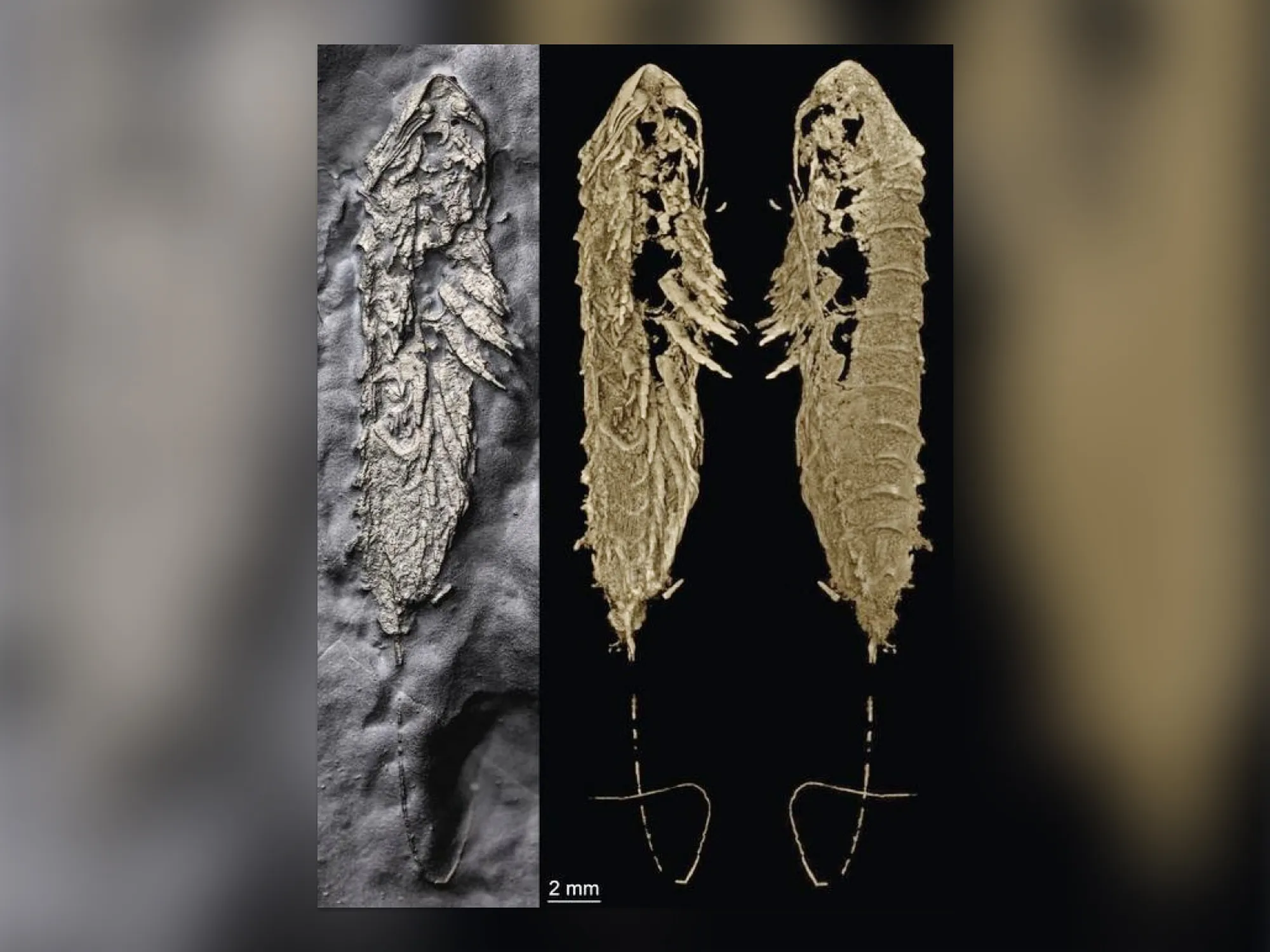
The study of early life forms often relies on the precise analysis of fossilized remains to trace evolutionary lineages. According to research published in the Canadian Journal of Zoology, recent efforts have focused on re-examining mysterious fossils from the Gogo Formation in northern Western Australia. This site is internationally renowned for its remarkably preserved Devonian-period fossils, which provide a rare window into the marine ecosystems of the past.
In a parallel effort, researchers collaborated with the Chinese Academy of Sciences to reconstruct a 410-million-year-old lungfish skull from China. These lungfish are particularly significant to the scientific community as they represent the closest living relatives to land-dwelling vertebrates. Understanding their skeletal structure allows scientists to map the specific evolutionary adaptations that eventually permitted creatures to navigate terrestrial environments.
The integration of advanced CT scanning and computed tomography has been instrumental in this work. These non-invasive imaging techniques allow scientists to analyze the internal morphology of fossilized specimens without damaging the fragile remains, providing data that was previously inaccessible to earlier generations of paleontologists.
The Evolutionary Leap: From Fins to Limbs
The transition from water to land is one of the most transformative events in the history of life on Earth. Tetrapods, which emerged from these primitive aquatic ancestors, eventually developed the limbs necessary for life outside of water. The anatomical clues found in lungfish fossils are essential for identifying the specific physical shifts that occurred during this transition.

Research led by teams at Flinders University has been at the forefront of this investigation, building upon decades of study. By comparing the anatomical features of these ancient fish with those of modern tetrapods, the researchers are identifying the vestigial traits that suggest a common ancestry. This process is not merely about identifying a single “first” fish, but rather understanding the gradual accumulation of traits—such as changes in skull structure and fin anatomy—that facilitated the eventual colonization of land.
Why This Research Matters
For those of us tracking the intersection of technology and natural history, these findings demonstrate how modern imaging software and high-resolution scanning are revolutionizing the field of paleontology. Much like the digital tools used in software engineering to model complex systems, CT scanning creates a virtual blueprint of biological history, allowing for global collaboration and data sharing between institutions.
This ongoing research serves as a reminder of the deep interconnectedness of all vertebrate life. While the timeline of these developments stretches back hundreds of millions of years, the technology used to uncover these secrets is very much a product of our modern era. As teams in Australia and China continue to analyze these findings, the broader scientific community expects further insights into the specific environmental pressures that drove these ancient species to adapt.
Key Takeaways
- Ancient Origins: Scientists are studying lungfish fossils dating back over 400 million years to understand the transition of vertebrates to land.
- Advanced Technology: The use of CT scanning and computed tomography has allowed for the non-destructive analysis of delicate fossils from the Gogo Formation and other sites.
- Evolutionary Significance: Lungfish are identified as the closest living relatives of tetrapods, providing a vital link in the evolutionary chain that led to land-dwelling animals.
- Global Collaboration: The research represents a significant international effort, involving paleontologists from Flinders University and the Chinese Academy of Sciences.
As we look toward the future, these studies will likely continue to refine our understanding of vertebrate evolution. Researchers expect to release further data as the digital reconstructions of these ancient skulls are fully processed and integrated into broader phylogenetic models. For those interested in the latest updates on this work, official reports from the participating research institutions provide the most reliable source for upcoming publications and findings.
What are your thoughts on how modern technology is reshaping our understanding of deep history? Share your views in the comments below, and don’t forget to follow our science coverage for more updates on this developing story.
Related reading