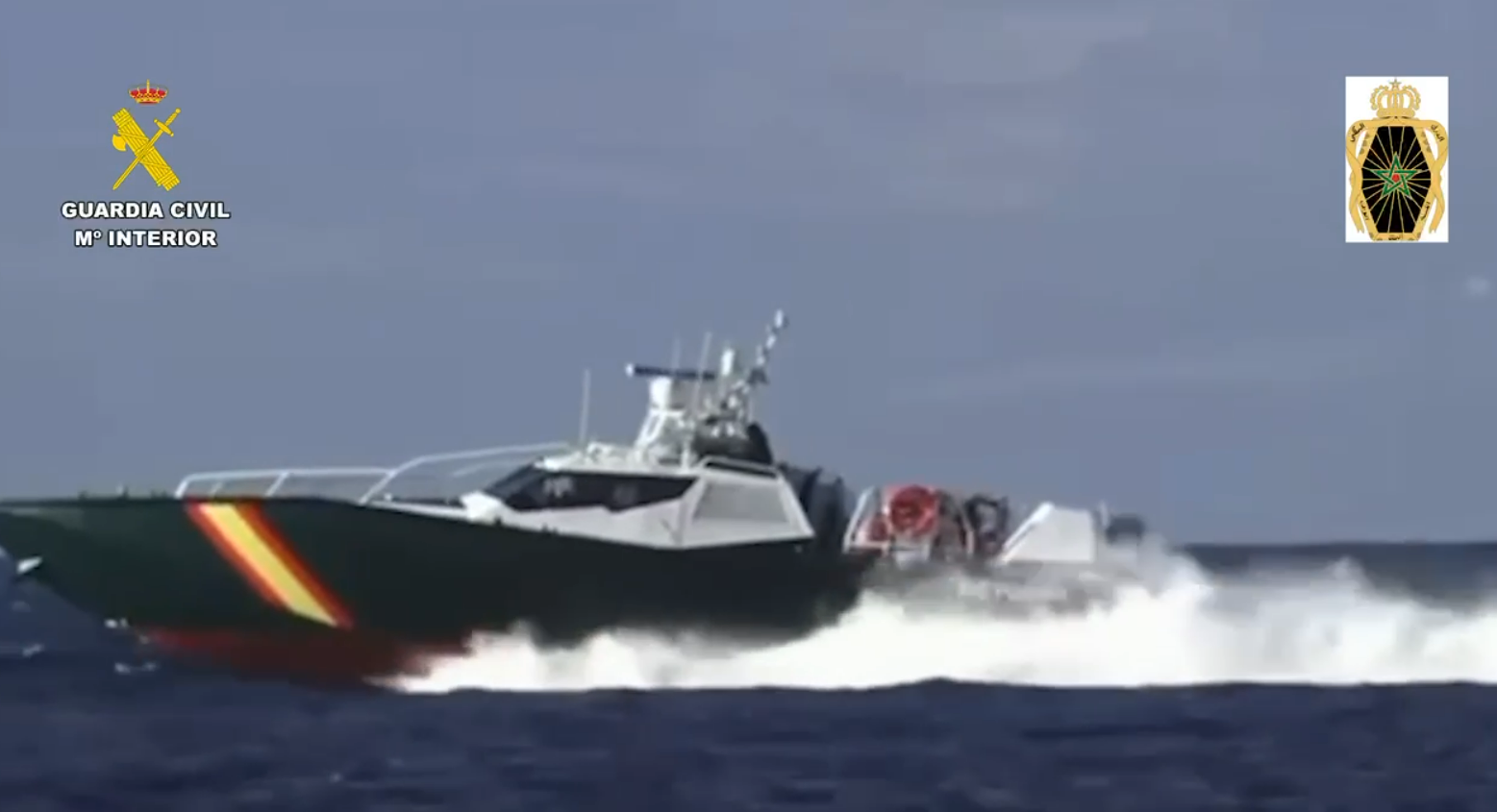
Spanish and Moroccan authorities have successfully intercepted a drug trafficking operation in the Strait of Gibraltar, seizing approximately 4.8 tonnes of hashish. The joint mission, involving the Spanish Civil Guard and the Moroccan Royal Gendarmerie, resulted in the recovery of a significant shipment of narcotics that was being transported via maritime routes, according to reports from regional law enforcement agencies confirmed by international news monitors.
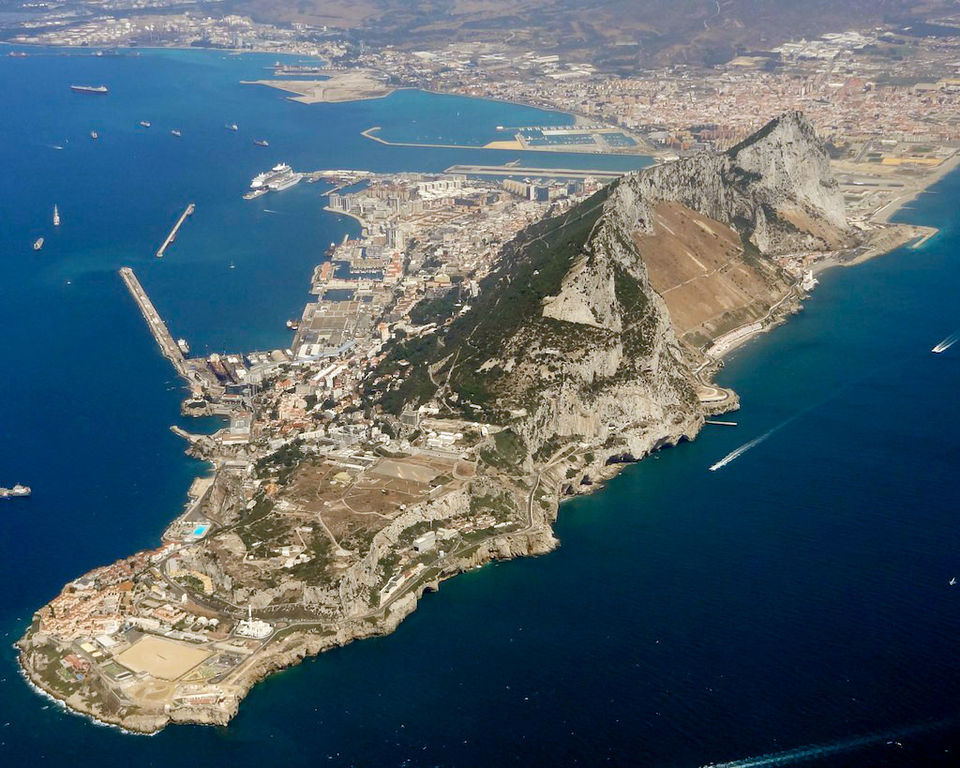
This seizure highlights the persistent challenges faced by border security forces in the Strait of Gibraltar, a narrow 14-kilometer passage that remains a primary corridor for illicit smuggling between North Africa and Europe. The operation, which involved a high-speed chase, underscores the ongoing tactical cooperation between Rabat and Madrid to address transnational organized crime in the Mediterranean basin. The intercepted vessel, often described in local maritime security reports as a “go-fast” boat, was identified and tracked by surveillance assets before security forces moved to intercept the cargo.
Operational Context and Maritime Security
The Strait of Gibraltar serves as a high-traffic maritime zone, making it a focal point for both legitimate commercial shipping and illegal activities. According to the Spanish Ministry of the Interior, the government has consistently increased investments in surveillance technology and specialized units to combat drug trafficking in the Campo de Gibraltar area. The recent 4.8-tonne seizure is part of a broader strategy to disrupt supply chains that originate in the Rif region of Morocco and terminate in southern Spain.
Law enforcement agencies utilize a combination of radar, aerial drones, and patrol vessels to monitor these waters. The use of high-speed rigid-hulled inflatable boats (RHIBs) by traffickers has forced authorities to adapt their own pursuit tactics, often resulting in complex maritime engagements. These operations are frequently coordinated through cross-border intelligence sharing, a necessity given the proximity of the two nations and the speed at which traffickers attempt to cross the maritime border.
Broader Implications for Regional Security
The persistent flow of narcotics across the Strait has significant implications for regional stability. Analysts at the European Union Agency for Law Enforcement Cooperation (Europol) note that maritime routes in the Western Mediterranean remain a primary entry point for cannabis resin destined for European markets. The volume of the recent seizure—nearly 5,000 kilograms—illustrates the scale of individual smuggling attempts that security services are tasked with intercepting.

Beyond the maritime route, authorities are also contending with irregular migration and human smuggling, which sometimes intersect with drug trafficking networks. The complexity of these threats requires sustained political and logistical coordination between Morocco and Spain. The success of the recent interception is frequently cited by officials as evidence of the necessity of maintaining robust security ties, despite the occasional diplomatic fluctuations that characterize the bilateral relationship between the two kingdoms.
Legal Framework and Prosecution
Individuals arrested during such operations are typically processed under the Spanish Penal Code, which contains specific provisions for crimes against public health related to large-scale drug trafficking. According to the General Council of the Judiciary in Spain, traffickers caught with large quantities of illicit substances face substantial custodial sentences, often compounded by charges related to the use of vessels that do not comply with safety or registration requirements.
The legal process for these cases usually begins with the detention of the crew, followed by the seizure of the vessel and the cargo as evidence. Once the narcotics have been documented by forensic teams, they are typically held in secure facilities before being destroyed under court supervision. The speed and efficiency of this process are key metrics for evaluating the performance of the specialized anti-drug units operating in the region.
Current Trends in Border Surveillance
Technological advancements are currently reshaping how the Strait is policed. The deployment of Integrated External Surveillance Systems (SIVE) has allowed Spanish authorities to detect small, fast-moving vessels with greater accuracy. Simultaneously, the Moroccan Royal Gendarmerie has bolstered its coastal patrol capabilities to prevent the departure of these vessels from northern ports.
While the 4.8-tonne seizure represents a significant tactical success, it also serves as a reminder of the volume of product that continues to move through the region. As smuggling organizations adopt more sophisticated methods—including the use of encrypted communications and advanced navigation systems—the reliance on joint, synchronized patrols between Spanish and Moroccan forces remains the most effective deterrent. Official updates regarding the prosecution of the suspects in this case are expected to be released through the Spanish judicial authorities in the coming weeks.
For ongoing updates on maritime security operations in the Strait of Gibraltar, readers are encouraged to consult official statements from the Spanish Civil Guard and the Kingdom of Morocco’s official portal. Readers are invited to share their perspectives on the impact of cross-border security cooperation in the comments section below.
Keep reading