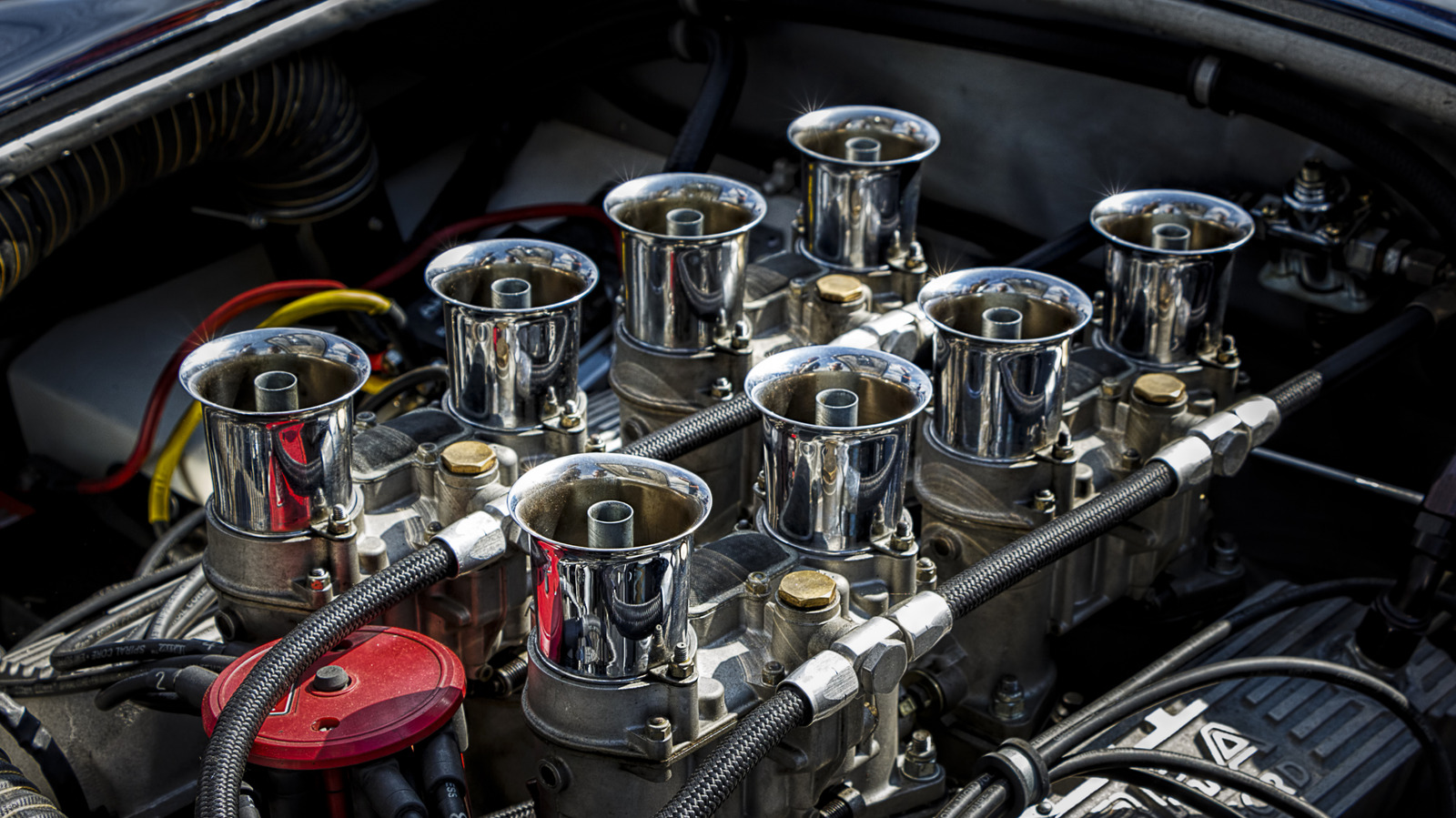
The V8 engine remains a cornerstone of automotive performance, revered for its power delivery and distinctive exhaust note, yet these complex internal combustion systems are not immune to mechanical vulnerabilities. According to automotive engineering analyses, owners and enthusiasts frequently encounter specific maintenance hurdles as these powertrains accumulate mileage. Addressing these predictable mechanical challenges requires a thorough understanding of how modern and classic eight-cylinder blocks operate under stress.
From thermal management complications to lubrication distribution hurdles, maintaining a high-performance multi-cylinder powerplant involves recognizing early warning signs before minor wear develops into catastrophic failure. Modern diagnostic tools and manufacturer technical service bulletins provide clear frameworks for identifying these recurring automotive problems. Drivers seeking to preserve the longevity of their vehicles benefit from examining the primary mechanical issues associated with eight-cylinder configurations.
Thermal regulation stands out as a primary concern for high-output powerplants packed tightly into modern engine bays. According to mechanical engineering studies, the dense packaging of eight cylinders generates substantial radiant heat, which accelerates the degradation of surrounding plastic and rubber components. Coolant leaks frequently develop around intake manifold gaskets and plastic thermostat housings, leading to gradual fluid loss and potential overheating if coolant levels drop unnoticed.
Lubrication delivery systems also demand vigilant monitoring, particularly in performance applications experiencing high lateral G-forces or extended high-rpm operation. Oil starvation issues can arise when oil pressure fluctuates or when internal galley blockages restrict flow to critical upper-valvetrain components. Industry experts note that regular oil analysis and timely filter replacements help mitigate premature wear on camshaft lobes and lifters, which remain susceptible to scoring under inadequate lubrication conditions.
Timing Chain Wear and Valvetrain Stress
Valvetrain complexity increases significantly in overhead-camshaft multi-cylinder architectures, introducing maintenance challenges related to timing components. According to automotive repair databases, timing chain guides and tensioners experience continuous mechanical fatigue, leading to slack that can alter valve timing and cause contact between pistons and valves. Preventative replacement of these components at recommended mileage intervals protects the internal integrity of the block.
Hydraulic lifters and cylinder deactivation mechanisms, commonly found in modern displacement-on-demand setups, present additional points of mechanical failure. When solenoids fail or oil aeration occurs, these systems can stick in active or inactive states, causing noticeable engine misfires, rough idling, and diagnostic trouble codes. Prompt servicing of these electronic and hydraulic controls prevents permanent damage to the camshaft and surrounding valvetrain architecture.
Fuel Delivery and Ignition System Complications
Direct-injection technology improves efficiency in contemporary eight-cylinder powerplants, but it also introduces carbon buildup on intake valves. Because fuel is sprayed directly into the combustion chamber rather than washing over the back of the intake valves, carbon deposits accumulate over time, restricting airflow and causing hesitation during acceleration. Periodic walnut blasting or chemical cleaning services are frequently required to restore optimal airflow and combustion efficiency.
Ignition coil degradation and spark plug fouling represent another frequent maintenance requirement for high-output blocks. Operating under high cylinder pressures and thermal loads, ignition coils eventually break down, resulting in intermittent misfires and reduced fuel economy. Replacing ignition components as a matched set typically resolves these performance dips and prevents catalytic converter damage caused by unburned fuel entering the exhaust stream.
Maintaining Long-Term Powertrain Reliability
Preserving the performance and structural integrity of an eight-cylinder powertrain demands strict adherence to preventive maintenance schedules outlined in official manufacturer service manuals. Monitoring fluid levels, addressing minor oil or coolant leaks immediately, and utilizing high-specification lubricants significantly extend the operational lifespan of these complex machines. Vehicle owners can consult manufacturer bulletins and certified service centers for ongoing safety advisories and technical updates.
Share your experiences with multi-cylinder maintenance or leave a comment below to join the discussion on automotive engineering reliability.
Worth a look