Maintaining grip strength is a critical, yet often overlooked, component of healthy aging. Research indicates that grip strength serves as a reliable biomarker for overall muscle quality, physical resilience, and the body’s ability to manage physiological stress over time, according to insights shared by Layne Nordquist, Senior Vice President of Fitness at VASA Fitness. For adults, simple, consistent home exercises can be effective for preserving the hand and forearm strength necessary for daily independence.
Studies have consistently linked higher grip strength levels to increased longevity and a reduced risk of cardiovascular events. Beyond cardiovascular health, a strong grip is a primary predictor of bone density, cognitive abilities, longevity, and even your chance of falling and sustaining a fracture. Because grip strength typically declines subtly, incorporating targeted movements into a daily routine is essential for maintaining functional autonomy.
Building Functional Stability with Farmer’s Carries
The farmer’s carry is a movement that involves walking while holding a challenging weight in each hand. By holding a challenging weight in each hand and walking, individuals engage the muscles responsible for grip while also improving posture, core stability and total-body strength. According to Nordquist, this exercise is effective because it directly strengthens the muscles responsible for grip while also improving posture, core stability and total-body strength.
To perform this movement correctly, hold a dumbbell in each hand at your sides. Start walking forward, keeping your torso still. This exercise provides a stimulus for the muscles of the hand and wrist without requiring a traditional gym environment.
Targeting Balance and Asymmetry
The suitcase carry acts as a variation of the farmer’s carry, but with a critical difference: the weight is held on only one side of the body. This configuration creates an added challenge for balance and core engagement. As highlighted by Nordquist, this exercise is instrumental for addressing strength imbalances.
Begin standing tall, holding one dumbbell at your side. Walk straight for 30 seconds without allowing your loaded shoulder to dip down. Repeat on the other side.
Sustained Tension for Grip Endurance
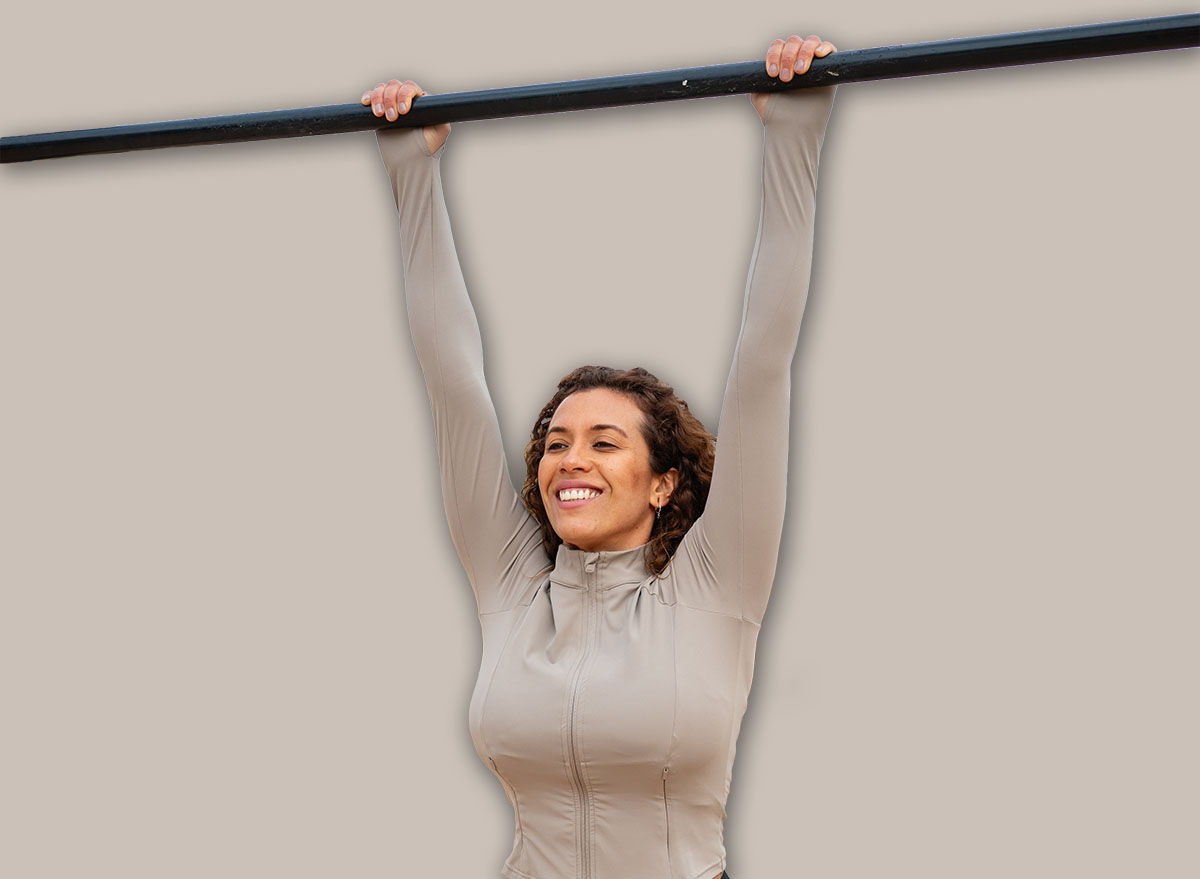
Dead hangs provide a way to place the muscles of the hand and forearm under sustained tension. By using a pull-up bar at home (for a doorway) with an overhand grip, an individual can train the grip. Nordquist emphasizes that these hangs are excellent options because they place the grip under sustained tension.
To execute a dead hang, hold onto a pull-up bar at home (for a doorway) with an overhand grip, hands shoulder-width apart. Allow your body to naturally hang with arms extended and feet off the floor. The goal is to hold for the prescribed number of sets/reps. This exercise requires minimal equipment and can be easily integrated into a home workout routine.
Active Engagement for Shoulder and Grip Health
Timed hangs build upon the basic dead hang by adding an element of active engagement. The individual is encouraged to lift feet off the ground and hang onto the bar with arms extended, lightly engage the shoulders by bringing them down away from the ears, and activate the core as you keep your body still.
The timed hang is useful for those looking to monitor their progress over time. By tracking the duration of each hold, individuals can objectively measure improvements in their grip endurance. As Nordquist notes, maintaining this tension is a powerful way to train the body to handle stress.
As with any new exercise program, it is advisable to start slowly and consult with a healthcare provider or a certified fitness professional, especially for those with pre-existing joint or cardiovascular conditions. Readers are encouraged to share their experiences with these grip-strengthening exercises in the comments below.