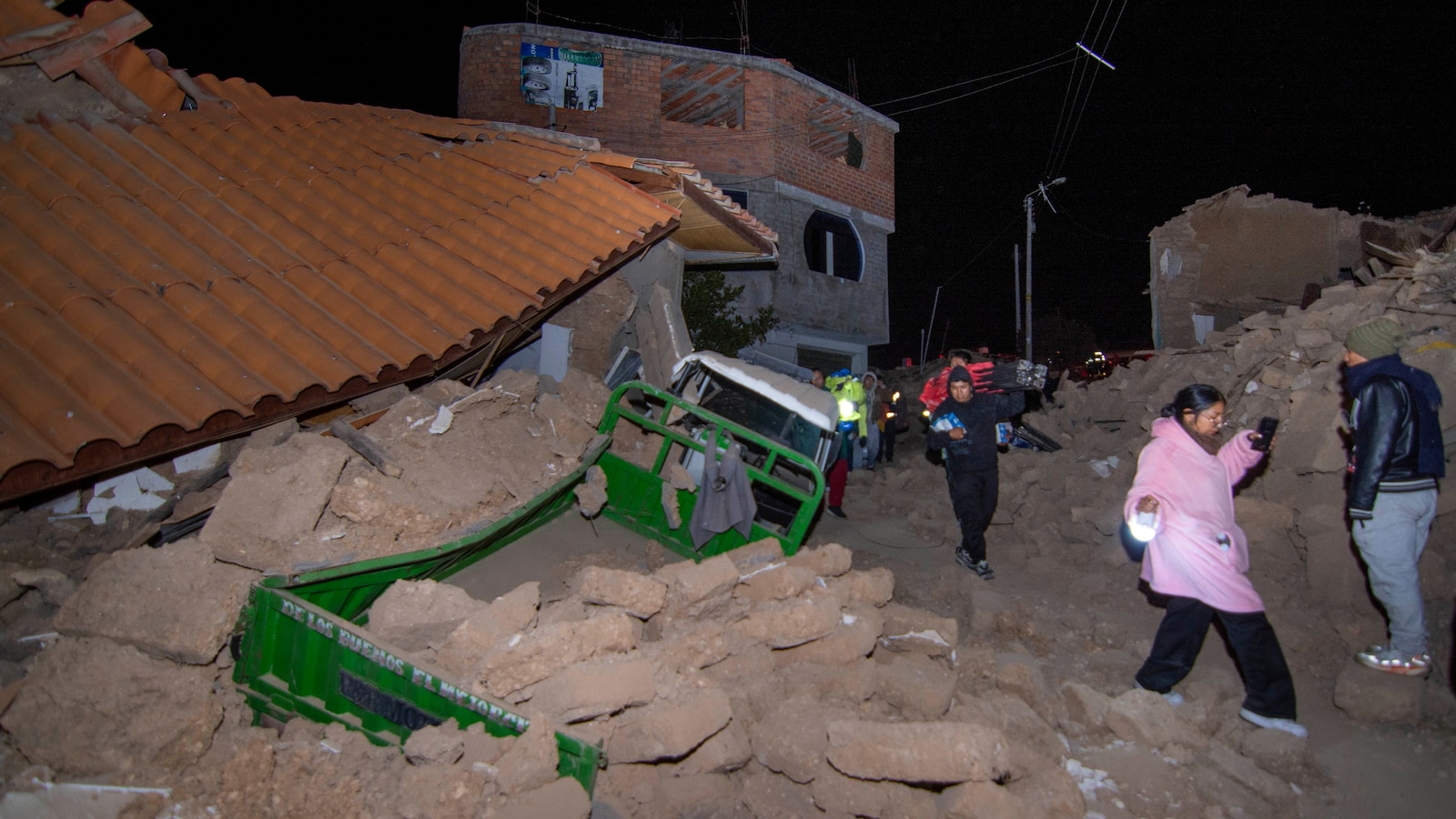
A 5.5 magnitude earthquake struck the Ayacucho region in Peru’s southern Andes on Monday, resulting in at least five deaths and causing significant structural damage to homes and infrastructure. According to the Instituto Geofísico del Perú (IGP), the tremor occurred at a depth of approximately 12 kilometers, with its epicenter located near the town of Sancos in the province of Huanca Sancos.
The seismic event, which occurred in the early morning hours, triggered landslides that blocked key transit routes, complicating emergency response efforts in the mountainous terrain. Local authorities, including officials from the Instituto Nacional de Defensa Civil (INDECI), confirmed that rescue teams were deployed to the affected areas to search for survivors and assess the extent of the destruction. The impact of the quake was felt across several provinces, where many traditional adobe structures—common in the Andean highlands—collapsed under the force of the shaking.
Geological Context and Seismic Activity in the Andes
Peru is situated within the “Ring of Fire,” a highly active seismic zone that encircles the Pacific Ocean, making the nation susceptible to frequent earthquakes. The Andes Mountains, formed by the subduction of the Nazca Plate beneath the South American Plate, are a primary driver of this regional tectonic activity. According to the United States Geological Survey (USGS), seismic events in this region often result in significant surface-level impacts due to the combination of shallow focal depths and the vulnerability of rural housing construction.
While a 5.5 magnitude earthquake is considered moderate in terms of energy release, the mountainous geography and the density of aging, unreinforced masonry structures amplify the risk to human life. Meteorological and geological agencies maintain constant monitoring of the region, as the area remains prone to aftershocks that can further destabilize damaged buildings and trigger additional slope failures in the steep Andean passes.
Emergency Response and Humanitarian Impact
The immediate aftermath of the earthquake saw a mobilization of regional emergency services. Local media outlets reported that residents in the hardest-hit zones were gathered in open areas as tremors continued throughout the day. The loss of life has prompted a swift coordination between the national government and regional authorities to provide temporary shelter, medical supplies, and food to families displaced by the disaster.
INDECI has advised citizens to remain vigilant and follow established safety protocols, which include moving to designated assembly points and avoiding buildings that show visible cracks or structural shifting. The government has prioritized the clearing of debris from roadways to ensure that ambulances and heavy machinery can reach isolated villages, where communication networks were temporarily disrupted by the power outages following the seismic event.
Assessing Long-Term Infrastructure Vulnerability
Beyond the immediate human toll, the earthquake highlights the ongoing challenge of seismic retrofitting in Peru’s rural provinces. Infrastructure experts have long pointed to the disparity between urban centers—where building codes are more strictly enforced—and remote Andean communities, where many dwellings do not meet modern earthquake-resistant standards. The destruction of homes in Huanca Sancos serves as a reminder of the vulnerability of these communities to moderate-intensity seismic activity.
As recovery efforts continue, the national government is expected to conduct a comprehensive assessment of public buildings, including schools and health clinics, to ensure they remain functional for the local population. The focus in the coming days will be on restoring basic services and providing financial support for the reconstruction of homes. Official updates regarding the status of search and rescue operations and the distribution of aid are available through the official portal of INDECI, which provides real-time alerts and safety guidance for the public.
The government has not yet set a date for a final report on the total economic damages, but preliminary assessments suggest that the loss of agricultural infrastructure and rural housing will require sustained support from the central administration. For updates on the recovery process and guidance on how to support affected families, residents and stakeholders are encouraged to monitor announcements from the Peruvian Ministry of Defense and regional government offices.
This is a developing story. Official updates will be provided as more data becomes available from regional emergency management offices. Please share your thoughts and questions in the comments section below.
Keep reading