Maintaining strong bone density requires a consistent focus on diet and active lifestyle choices well before age-related skeletal fragility begins to manifest, according to musculoskeletal health experts. While childhood advice often centers heavily on drinking milk for calcium, medical specialists emphasize that protecting the skeleton involves a varied nutritional approach extending far beyond dairy products.
Bone mass accumulates primarily during childhood and early adulthood before reaching a peak, explains Kate Ward, professor of global musculoskeletal health at the University of Southampton in the UK. Once past this peak development phase, individuals experience a natural decline in skeletal density over time. Globally, approximately 500 million people suffer from osteoporosis, a condition characterized by thinning and weakening bones, according to Julie Thompson of the Royal Osteoporosis Society.
Conditions like osteopenia and osteoporosis are frequently silent illnesses that present no visible symptoms until a life-altering fracture occurs. Hip fractures alone exceed 10 million cases annually worldwide among adults over the age of 55, carrying severe potential complications including pneumonia and heart attacks. Data indicates that roughly 30% of patients aged 60 and older pass away within a year of sustaining a hip fracture.
While postmenopausal women face heightened vulnerability to bone density loss, men are also affected as life expectancies rise. Bess Dawson-Hughes, professor of medicine at Tufts University and an expert in bone and muscle function, notes that osteoporosis was historically viewed primarily as a women’s health issue largely because men previously died from heart disease at earlier ages. To counteract skeletal decline, health researchers point to several nutrient-dense foods that supply vital minerals and proteins.
Dairy Products: Cheese, Yogurt, and Milk
Calcium, vitamin D, and proteins remain central pillars of skeletal health, supported by micronutrients like vitamin K, magnesium, zinc, and phosphorus. Dairy items are naturally rich sources of calcium, with a standard 200-milliliter glass of milk providing approximately 260 milligrams. Clinical findings from a recent study involving 7,195 older adults in residential care demonstrated that higher dairy and protein intake over a two-year period correlated with an 11% lower risk of falls and a 46% reduction in hip fractures.
Dietary recommendations for daily calcium intake differ by region. In the UK, adults are advised to consume around 700 milligrams daily, increasing to 1,000 milligrams for individuals at risk of osteoporosis, and 1,200 milligrams for postmenopausal women. In the United States, official guidelines suggest a daily intake between 1,000 and 1,200 milligrams depending on age and biological sex.
Soy Foods: Tofu, Edamame, and Tempeh
Non-dairy alternatives offer substantial mineral content, with soy products serving as prominent sources of plant-based calcium. According to Professor Ward, 100 grams of tofu contains roughly 200 milligrams of calcium, while edamame beans provide protein, calcium, and isoflavones that support long-term skeletal integrity. Isoflavones are naturally occurring plant compounds with estrogen-like activity.
A meta-analysis incorporating more than 9,000 postmenopausal women indicated that participants consuming soy isoflavone supplements experienced minor improvements in bone mineral density across the spine, hips, and forearm. Fermented soy options such as tempeh undergo a breakdown process that reduces anti-nutrients, enabling the human body to absorb mineral content more efficiently.
Chia Seeds
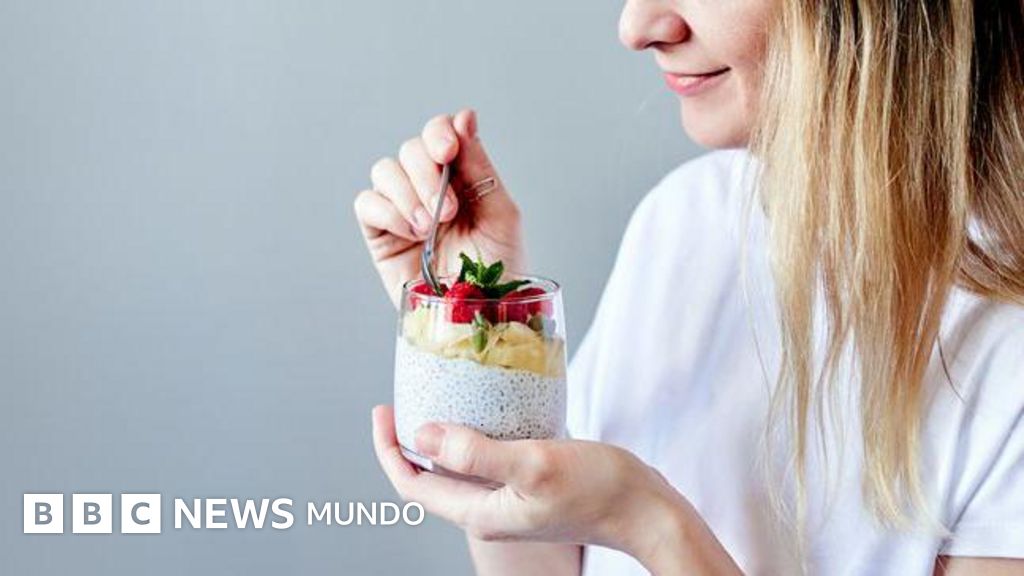
Chia seeds deliver concentrated amounts of calcium, magnesium, and phosphorus within compact serving sizes, with a single tablespoon containing approximately 95 milligrams of calcium. These seeds also supply omega-3 fatty acids, which help mitigate chronic inflammation. Unchecked systemic inflammation can accelerate the breakdown of older bone tissue faster than the body can rebuild it, gradually elevating osteoporosis risks.
Dried Fruits: Prunes and Figs
Dried fruits contribute notable mineral profiles to the diet, with two dried figs supplying about 100 milligrams of calcium alongside magnesium to support bone formation and mineral balance. Fruits also contain polyphenols—natural antioxidant and anti-inflammatory plant compounds that help slow skeletal degradation. A randomized controlled trial showed that women consuming 50 grams of prunes daily for one year experienced reduced bone loss compared to control groups.
Canned Fish: Sardines and Salmon
Canned seafood offers dual benefits for both skeletal and muscular systems. A small 60-gram can of sardines provides about 240 milligrams of calcium, covering up to 30% of daily nutritional requirements. Canned salmon delivers high protein levels essential for tissue repair and muscle maintenance alongside calcium. Professor Dawson-Hughes emphasizes that bones and muscles function as a unified physiological system, noting that preserving muscle strength directly minimizes fall risks and subsequent fractures.
Regarding dietary supplements, researchers emphasize caution and personalized evaluation. Amelia Moore, a researcher at the Osteoporosis Unit at Guy’s Hospital in London, notes that supplement efficacy varies significantly depending on population demographics. While vitamin D supplements can reduce fall risks in older demographics, excessive doses exceeding 100 micrograms daily can paradoxically increase fall hazards. Medical experts generally recommend obtaining essential vitamins through a balanced diet incorporating dairy, protein, leafy greens, and fish, reserving supplementation for diagnosed deficiencies or specific high-risk groups.
Worth a look