
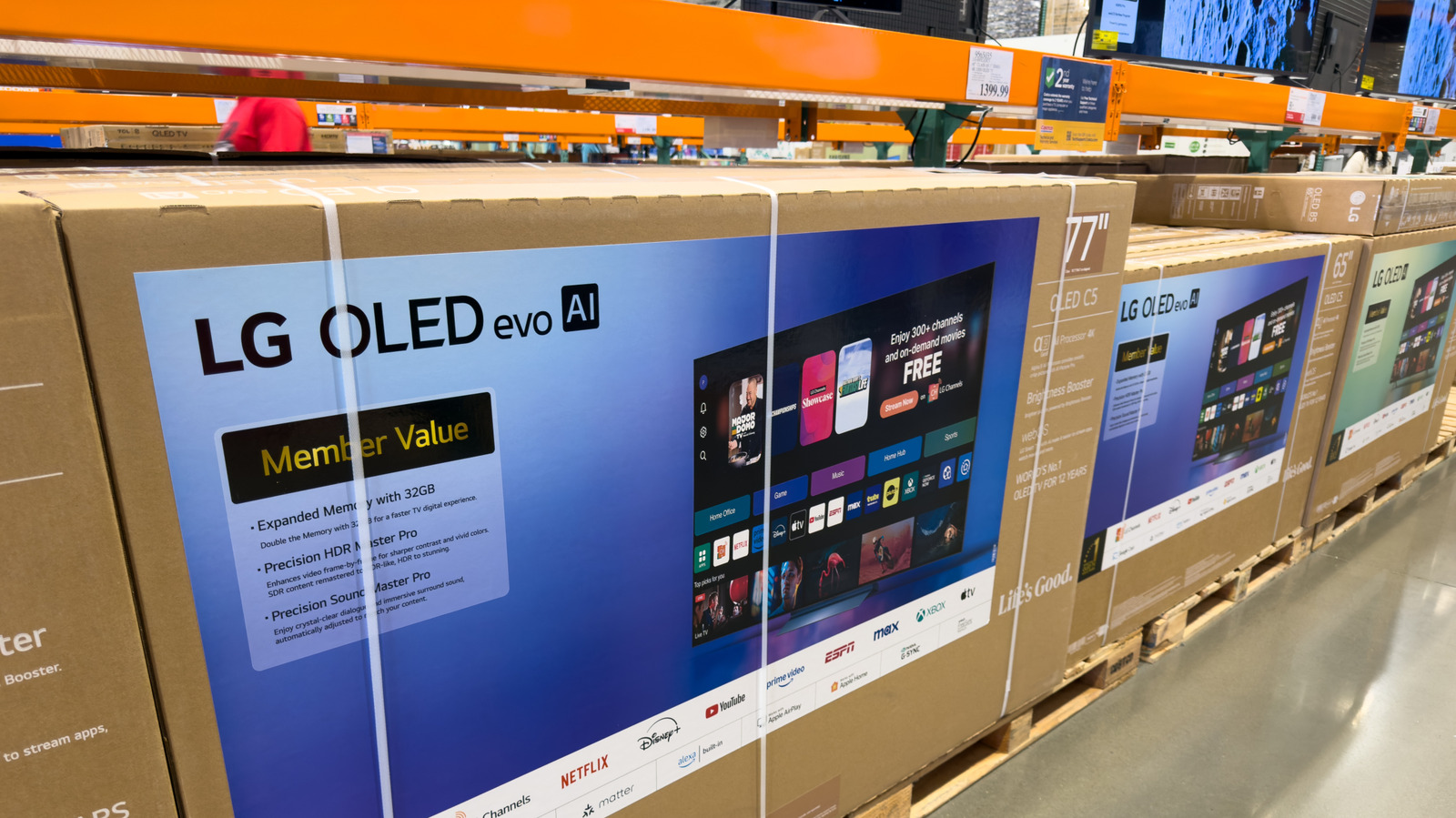
As of mid-2026, the market for high-end television displays remains dominated by organic light-emitting diode (OLED) technology, with manufacturers prioritizing higher peak brightness and improved longevity. Five models currently lead the industry in performance, according to recent reviews from major technology publications including Rtings and TechRadar. These displays utilize self-emissive pixels to achieve perfect black levels and high contrast ratios, which remain the primary benchmarks for home cinema quality.
The transition toward more efficient panel structures, such as Micro Lens Array (MLA) and Quantum Dot OLED (QD-OLED), has allowed manufacturers to mitigate historical risks like image retention while significantly increasing light output. For consumers, this means current OLED televisions are better suited for bright living rooms than the iterations released only three years ago. The following selections represent the current top performers across various categories, based on independent testing of color accuracy, motion handling, and gaming features.
LG G6 Series: The Benchmark for Brightness
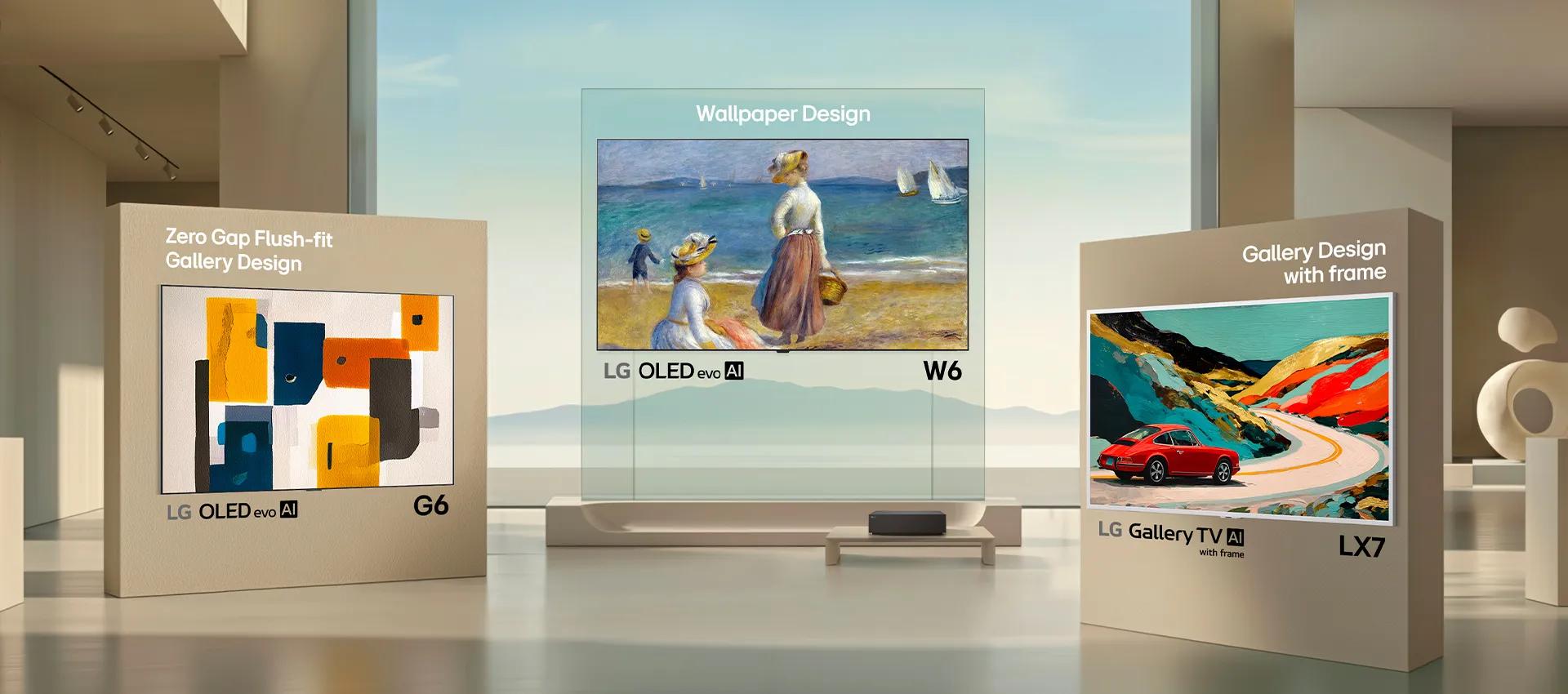
The LG G6 series continues to be cited by reviewers as a premier choice for users seeking a balance between high-end home theater performance and bright-room utility. According to official manufacturer specifications, the G6 utilizes third-generation MLA technology, which redirects light that would otherwise be trapped within the panel back toward the viewer. This design choice results in peak brightness levels that exceed 2,000 nits in small window tests, a significant jump from the 1,500-nit threshold common in 2024 models.

Beyond raw brightness, the G6 is recognized for its ultra-slim “Zero Gap” wall-mount design. Professional calibration reports from FlatPanelsHD note that the TV maintains near-perfect delta-E color accuracy out of the box, making it a reliable choice for cinephiles who prefer an “as-the-director-intended” picture profile. The integration of the latest Alpha 11 AI processor further aids in upscaling low-resolution content, a critical factor for users still relying on cable or older streaming services.
Sony Bravia XR A96L: Processing Excellence
Sony’s A96L remains the industry standard for motion processing and color accuracy. While other manufacturers focus heavily on peak light output, Sony’s advantage lies in the XR Cognitive Processor, which analyzes data across hundreds of thousands of individual elements simultaneously. Testing conducted by Sony’s engineering division indicates that this processor excels at mimicking how the human eye focuses on images, resulting in more natural skin tones and textures than competing algorithms.

The A96L is frequently recommended for users who prioritize streaming high-bitrate content. The inclusion of the “Bravia Core” streaming service allows users to access movies at bitrates up to 80 Mbps, which is significantly higher than the 15–25 Mbps typically offered by major platforms like Netflix or Disney+. This ensures that the A96L’s superior panel is not bottlenecked by heavy compression artifacts, a common issue in lower-end display hardware.
Samsung S95F: The QD-OLED Color Leader
The Samsung S95F utilizes Quantum Dot OLED (QD-OLED) technology, which combines the infinite contrast of OLED with the vibrant color volume of quantum dots. Unlike standard WOLED panels, which rely on a white subpixel to boost brightness, the S95F uses pure RGB pixels. This allows the television to maintain color saturation even at high brightness levels, a feat that is often difficult for traditional display technologies, according to industry analysis from DisplayMate.
For gamers, the S95F offers a distinct advantage with its four HDMI 2.1 ports, all supporting 4K resolution at 144Hz. The television also features a dedicated “Game Bar” interface that allows users to quickly toggle settings like Variable Refresh Rate (VRR) and Auto Low Latency Mode (ALLM) without exiting their game. These features have made it a top recommendation for PC and console gamers who require minimal input lag and high frame-rate stability.
Panasonic MZ2500: The Professional Choice
Panasonic’s MZ2500 series has earned a reputation for being one of the most accurate consumer displays available. Often used as a reference monitor in professional color-grading suites, the MZ2500 includes extensive calibration options that are rarely found in mass-market televisions. According to reports from What Hi-Fi?, the set’s ability to track the EOTF (Electro-Optical Transfer Function) curve with precision makes it the preferred choice for professional editors and enthusiasts who perform their own calibration.
The audio performance of the MZ2500 is also notable, featuring a built-in soundbar integrated into the chassis, designed in collaboration with Technics. While many users will still opt for a dedicated home theater system, the MZ2500 provides a superior out-of-the-box audio experience compared to its competitors, which typically rely on thin, downward-firing speakers. This “all-in-one” approach makes it an ideal solution for users who want high-end performance without the complexity of external audio hardware.
LG C6: The Value-Performance Standard
The LG C6 remains the most popular choice for the average consumer, offering 90% of the performance of the flagship G6 series at a lower price point. By omitting the MLA panel technology and the ultra-slim wall mount, LG is able to reduce the manufacturing cost while retaining the same high-speed processor and gaming capabilities found in their premium sets. According to Rtings testing data, the C6 provides excellent viewing angles and motion handling, making it suitable for a wide variety of living environments.
The C6 serves as a reminder that the gap between “good” and “best” has narrowed significantly in 2026. For most viewers, the difference in peak brightness between the C6 and the G6 is only noticeable in direct side-by-side comparisons. The C6 continues to be the most frequently purchased model in the OLED category, reflecting its position as the baseline for high-quality, reliable home entertainment.
Summary of 2026 OLED Leaders
| Model | Primary Strength | Best For |
|---|---|---|
| LG G6 | Peak Brightness (MLA) | Bright Rooms / Home Theater |
| Sony A96L | Motion Processing | High-Bitrate Streaming |
| Samsung S95F | Color Volume (QD-OLED) | Gaming / Vivid Content |
| Panasonic MZ2500 | Calibration Accuracy | Cinephiles / Professionals |
| LG C6 | Value | General Use |
The next major industry update is expected at the Consumer Electronics Show (CES) in January 2027, where manufacturers typically announce their new panel architectures. Until then, these five models represent the current technological ceiling for OLED displays. Readers are encouraged to check official retailer websites for local pricing and availability, as promotional discounts fluctuate throughout the year. Share your thoughts on these models in the comments section below.