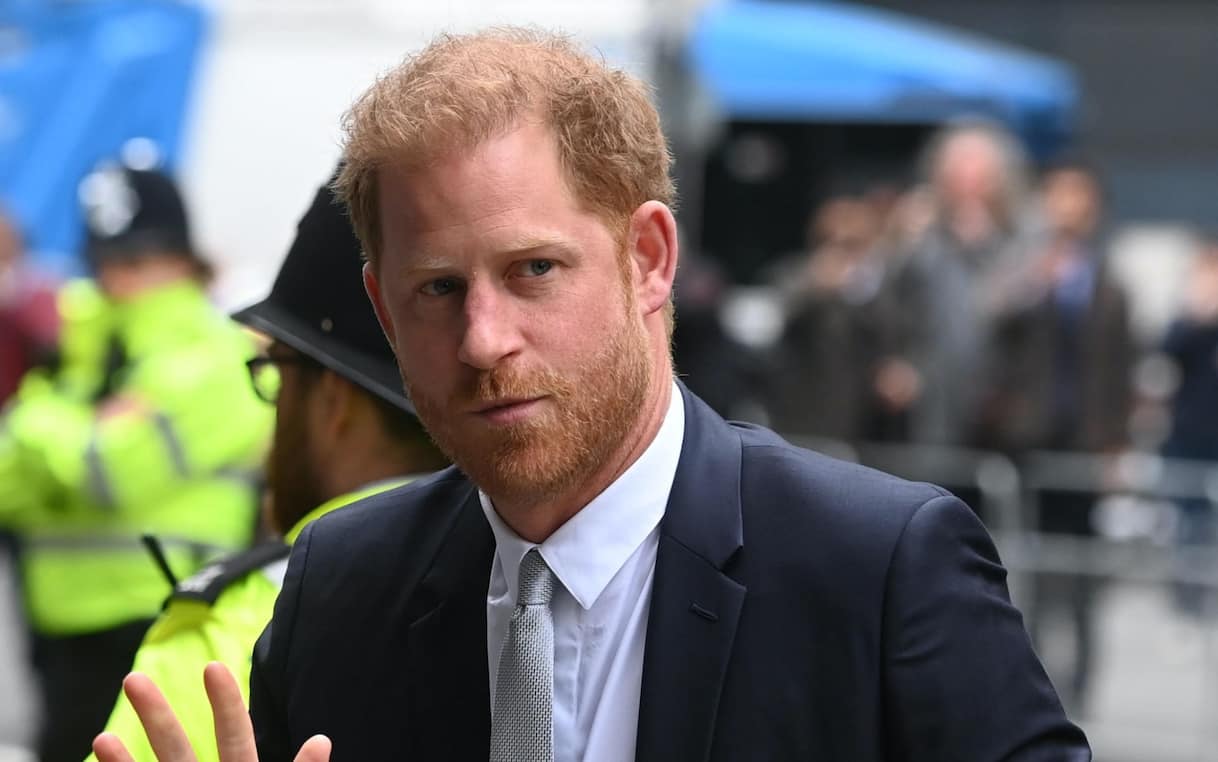
Prince Harry will not visit Buckingham Palace during his recent trip to the United Kingdom after the invitation was withdrawn due to a delayed response from the Duke, according to reports from Italian and British media outlets. The Prince of Sussex traveled to London for a five-day visit, but the planned meeting with the royal family did not materialize as originally intended.
The cancellation marks another instance of friction between the Duke of Sussex and the monarchy. While Harry’s itinerary included several engagements in the capital, the absence of a formal visit to the palace highlights the ongoing communication gaps between the royal household and the couple residing in California.
Meghan, the Duchess of Sussex, did not accompany her husband on this specific journey to London, differing from initial plans that suggested she might join the visit. The decision for the Duke to travel alone further underscores the fragmented nature of the current royal dynamics.
Why was the invitation to Buckingham Palace withdrawn?
The invitation for Prince Harry to visit Buckingham Palace was rescinded because the Duke’s office failed to confirm his attendance within the required timeframe. According to reports, the royal household operates on strict protocols for scheduling and security, and the “late response” from the Duke’s representatives made the logistics for a formal meeting untenable.

This administrative breakdown is viewed by royal commentators as a symptom of the broader estrangement between Harry and King Charles III. The lack of a timely confirmation suggests a disconnect in the coordination between the Sussexes’ private office and the official channels of the monarchy.
Who is affected by the change in travel plans?
The primary stakeholders in this shift are Prince Harry and the British Royal Family. For the Duke, the missed opportunity for a palace visit limits his ability to reconcile personal relations in a formal setting. For the monarchy, the cancellation avoids the potential security and PR complications of a high-profile visit that lacked firm coordination.

The Duchess of Sussex, Meghan, is also affected by the change in itinerary. Her absence from the five-day London trip indicates a strategic or personal decision to remain in the United States, potentially to avoid the intense media scrutiny that typically accompanies her visits to the UK.
What does this mean for the relationship between Harry and the King?
The withdrawal of the invitation suggests that the relationship between Prince Harry and King Charles III remains fragile. While the King has expressed a desire for family unity, the reliance on strict protocol—and the subsequent cancellation of a visit over a late reply—indicates that formal boundaries remain firmly in place.
This incident follows years of public tension, beginning with the couple’s decision to step back from senior royal duties in January 2020, as documented by the BBC. The inability to coordinate a simple visit to the palace reflects a lack of the seamless communication that once defined the royal inner circle.
How does this fit into the broader pattern of royal tensions?
This event is not an isolated incident but part of a continuing trend of “missed connections” and limited interactions. Since moving to the U.S., Prince Harry has had a varying degree of contact with his father and brother, Prince William. The pattern of late responses or cancelled plans often mirrors the volatility of their private negotiations.
Observers note that the royal family now treats the Sussexes more like private citizens or distant relatives than core members of the “firm.” By adhering to strict deadlines for invitations, the palace asserts its authority and protects the King’s schedule from the unpredictability often associated with the Duke’s visits.
For more information on the official schedules of the British monarchy, the public can refer to the Official Website of the Royal Family.
The next confirmed checkpoint regarding the Sussexes’ return to the UK has not been officially scheduled. Any future visits will likely depend on the resolution of ongoing security disputes and the willingness of both parties to adhere to palace protocols.
We invite our readers to share their perspectives on the evolving dynamics of the British Royal Family in the comments section below.