In recent years, the relationship between humans and their animal companions has undergone a profound transformation. No longer viewed merely as “property” or “guards,” pets—particularly dogs and cats—have ascended to the status of integral family members. This shift in the human-animal bond has brought with it a heightened sense of responsibility for owners, who are increasingly seeking professional guidance to ensure their companions live long, vibrant lives.
Maintaining pet health is a multifaceted endeavor that extends far beyond providing food and shelter. As veterinary science advances, pet owners are learning that proactive wellness is significantly more effective and less costly than reactive treatment. To navigate the complexities of modern pet care, experts emphasize a structured approach to health that addresses both physical and psychological needs.
For those looking to optimize the longevity of their companions, establishing a consistent wellness routine is essential. By adhering to a set of foundational pillars—ranging from nutritional precision to preventative medicine—owners can mitigate common health risks and enhance the quality of life for their pets. Below, we explore the five essential pet wellness guidelines supported by veterinary consensus.
1. Precision Nutrition and Hydration
The cornerstone of any healthy pet is a balanced and age-appropriate diet. Nutrition is not a “one size fits all” requirement; the caloric and nutrient needs of a growing puppy differ drastically from those of a senior cat. Improper nutrition is a leading contributor to pet obesity, which is linked to a myriad of health complications including diabetes, arthritis and cardiovascular disease.
Veterinary professionals recommend selecting high-quality foods that meet specific nutritional profiles. This includes a careful balance of proteins, fats, carbohydrates, vitamins, and minerals. It is also vital to consider life stages—such as growth, maintenance, or senior care—and specific health requirements, such as sensitive digestion or weight management. According to the American Veterinary Medical Association (AVMA), proper nutrition is fundamental to a pet’s overall health and well-being.
Hydration is equally critical. While many pets get a portion of their moisture from food, constant access to fresh, clean water is non-negotiable. Dehydration can lead to kidney issues and urinary tract infections, particularly in cats, who may have a lower natural thirst drive. Monitoring water intake and ensuring bowls are cleaned regularly are simple yet effective ways to maintain hydration levels.
2. The Preventative Medicine Shield
Preventative care is the most effective tool in a pet owner’s arsenal. This includes two critical components: vaccinations and parasite control. Vaccinations protect pets against highly contagious and potentially fatal diseases, such as rabies, distemper, and parvovirus. Staying current with a veterinarian-approved vaccination schedule is a key responsibility for every responsible owner.
Beyond viral threats, parasites pose a significant risk to pet health and, in some cases, human health. Heartworms, fleas, ticks, and intestinal worms can cause severe illness or death if left untreated. Heartworm disease, for instance, is transmitted by mosquitoes and can lead to fatal damage to the heart and lungs. Regular, year-round preventative treatments—whether via topical applications, oral medication, or injections—are essential to mitigate these risks.
The ASPCA emphasizes that consistent preventative measures are a cornerstone of responsible pet ownership, helping to prevent many common and serious ailments before they arise.
3. Routine Professional Veterinary Oversight
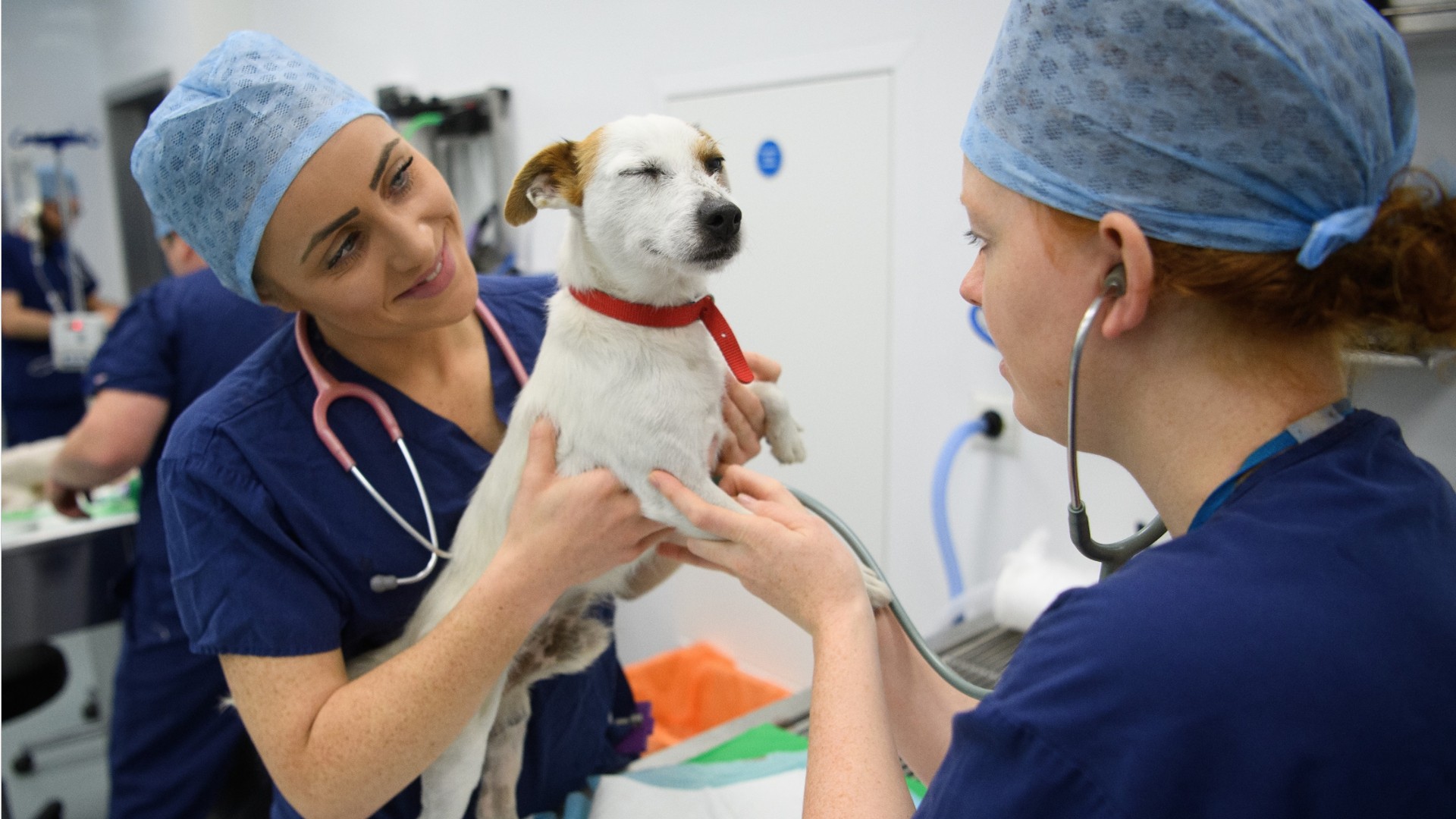
While daily care at home is vital, it cannot replace the expertise of a trained veterinarian. Regular wellness exams are necessary to detect health issues that may not be visible to the naked eye. Many serious conditions, such as kidney disease, hyperthyroidism, or early-stage cancer, can be asymptomatic in their initial stages.
For adult dogs and cats, an annual checkup is generally considered the minimum standard. However, for senior pets—typically those over the age of seven—veterinarians often recommend bi-annual exams. These frequent visits allow for more detailed blood work, urinalysis, and physical assessments, enabling early intervention which can significantly improve prognosis and reduce medical costs in the long term.
A professional exam also provides an opportunity for owners to discuss behavioral changes, dietary adjustments, or concerns about aging. This partnership between the owner and the veterinary professional ensures that the pet’s healthcare plan is continuously optimized as they age.
4. Physical Activity and Mental Stimulation
A healthy pet requires more than just physical sustenance; they require mental and physical engagement. Obesity is a growing epidemic in the pet world, often driven by sedentary lifestyles and inadequate mental stimulation. Physical exercise is vital for maintaining a healthy weight, strengthening muscles, and supporting joint health.
However, exercise must be tailored to the breed, age, and physical condition of the animal. While a high-energy Border Collie requires significant running and agility work, a senior Pug may only require short, gentle walks. Overexertion can lead to injury, so finding the “sweet spot” of activity is key.
Mental stimulation is equally important to prevent boredom and anxiety-related behaviors. Enrichment activities—such as puzzle feeders, interactive toys, scent work, or new training commands—help keep a pet’s mind sharp. For many animals, mental fatigue is just as satisfying as physical tiredness, and a stimulated pet is generally a calmer, more well-adjusted companion.
5. Dental Hygiene and External Grooming
Often overlooked by pet owners, oral health is a critical component of systemic wellness. Periodontal disease is one of the most common ailments in adult dogs and cats. Bacteria buildup on the teeth can lead to inflammation, pain, and tooth loss. More alarmingly, untreated oral infections can allow bacteria to enter the bloodstream, potentially causing damage to vital organs such as the heart, liver, and kidneys.

Regular teeth brushing, when possible, and the use of vet-approved dental chews can significantly reduce plaque and tartar accumulation. During routine veterinary exams, professionals can also perform dental cleanings under anesthesia if necessary to address deeper issues.
regular grooming—including brushing the coat, checking for skin irritations, and trimming nails—serves a dual purpose. It maintains the animal’s appearance and provides a “hands-on” opportunity for owners to check for lumps, bumps, or parasites that might otherwise go unnoticed. Maintaining skin and coat health is a direct reflection of the pet’s internal nutritional and systemic health.
Key Takeaways for Pet Wellness
- Tailor Nutrition: Use age-appropriate, high-quality food and ensure constant access to fresh water.
- Prioritize Prevention: Stay current on all vaccinations and maintain year-round parasite control.
- Schedule Regular Exams: Annual checkups (or bi-annual for seniors) are essential for early disease detection.
- Engage Mind and Body: Combine physical exercise with mental enrichment to prevent obesity and anxiety.
- Don’t Ignore Dental Care: Maintain oral hygiene to prevent systemic health complications.
Frequently Asked Questions
How often should I take my pet to the vet?
For most healthy adult pets, an annual wellness exam is recommended. However, senior pets (typically 7+ years) often benefit from checkups every six months to monitor age-related changes more closely.
Can I use human food to supplement my pet’s diet?
While some human foods are safe, many are toxic to pets (such as chocolate, grapes, or onions). It is always best to consult your veterinarian before introducing new foods or supplements into your pet’s diet.
Why is mental stimulation important for indoor cats?
Indoor cats can become bored and sedentary, leading to weight gain and behavioral issues like excessive grooming or aggression. Interactive play and environmental enrichment are vital for their psychological well-being.
How can I tell if my pet is in pain?
Pets are experts at hiding discomfort. Signs of pain can include changes in appetite, lethargy, hiding, irritability, or changes in grooming habits. If you notice any sudden behavioral shifts, consult a veterinarian immediately.
The next step in your pet’s wellness journey is a proactive consultation. We recommend scheduling a baseline wellness exam with your local veterinarian to establish a personalized healthcare roadmap for your companion.
What are your best tips for keeping your pets healthy and happy? Share your experiences and questions in the comments below, and don’t forget to share this guide with fellow pet lovers!
Worth a look
- Nintendo Switch Online Adds Super Mario Sunshine and Virtual Boy Games
- Ed Sheeran’s Secret Weapon: Why More Pop Stars Need His Songwriting Magic
- Paris Court Rules on Economic Substance in Intra-Group Royalties (newsdirectory3.com)
- Honduras Court Rules Former President Juan Orlando Hernández Be Tried While Free (world-today-news.com)