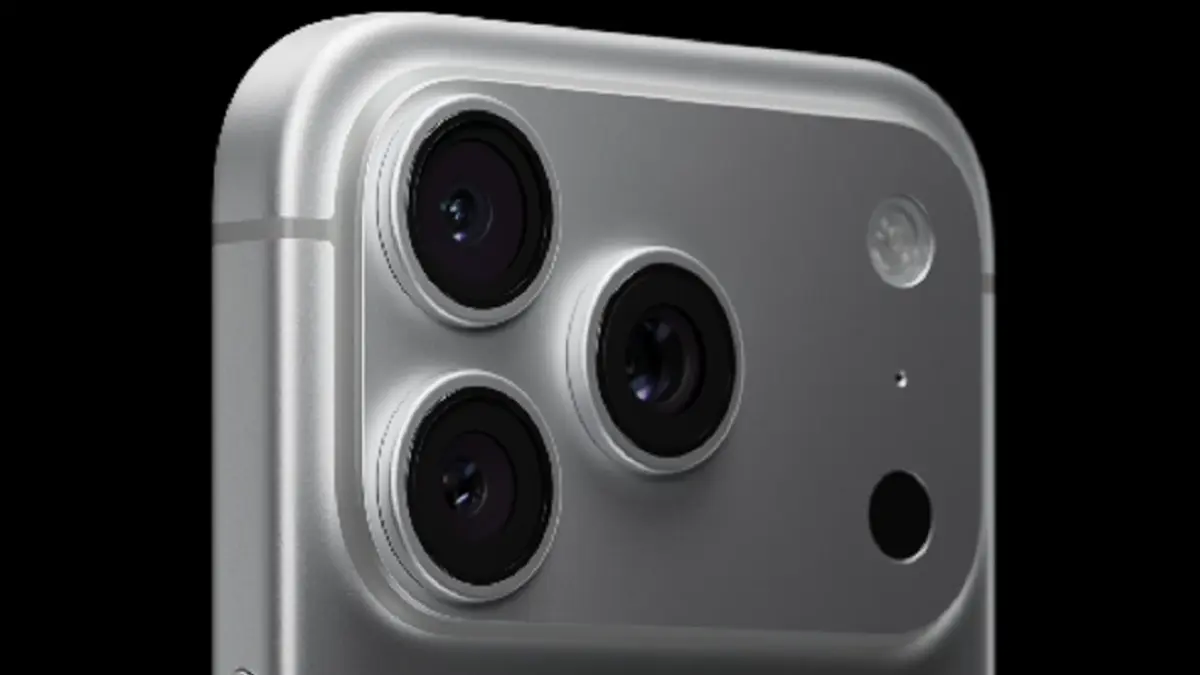
Apple has removed several hardware and software features from the iPhone over the last decade, including the 3.5mm headphone jack, 3D Touch, and the physical home button, to prioritize wireless connectivity, bezel-less displays, and streamlined internal architecture. These changes, while facilitating the growth of the AirPods ecosystem and the adoption of Face ID, remain points of contention among users who prefer tactile control and universal hardware standards.
The evolution of the iPhone reflects a consistent strategy of removing legacy ports and physical inputs in favor of software-driven interactions. Since the launch of the iPhone 7 in 2016, the company has systematically phased out components that occupied internal space or conflicted with new design goals, such as water resistance and larger battery capacities. This shift has often forced a transition in user behavior, moving from analog connections to digital, cloud-based, or wireless alternatives.
Industry analysts note that these removals often precede the launch of a new proprietary accessory or service. The removal of the audio jack coincided with the development of wireless audio protocols, while the elimination of the home button allowed for the implementation of edge-to-edge OLED screens. Each transition has been met with varying levels of consumer acceptance, though most legacy features have been replaced by functional equivalents that operate via different mechanisms.
Why did Apple remove the 3.5mm headphone jack?
Apple removed the 3.5mm headphone jack starting with the iPhone 7, released on September 16, 2016. The company cited the need to reclaim internal space for a larger battery and to improve the device’s water and dust resistance. By eliminating the physical opening required for the jack, Apple reduced a primary point of entry for liquids, contributing to the device’s IP67 rating.
The removal forced users to choose between using a Lightning-to-3.5mm adapter, switching to Lightning-connector headphones, or adopting Bluetooth wireless earbuds. This transition paved the way for the launch of AirPods in December 2016, which utilized the W1 chip to streamline the pairing process between Apple devices. This move shifted the audio experience from a universal analog standard to a wireless ecosystem, increasing the company’s wearables revenue.

Critics of the decision argue that the removal compromised audio quality for professional users and increased electronic waste due to the reliance on batteries in wireless earbuds. Unlike the 3.5mm jack, which provides a direct analog signal with zero latency, Bluetooth audio introduces a slight delay and relies on compression codecs, which can affect high-fidelity sound reproduction. Despite these complaints, the industry trend followed Apple’s lead, with Samsung and Google removing the jack from their flagship devices in subsequent years.
What happened to 3D Touch and why was it replaced?
Apple introduced 3D Touch with the iPhone 6s in 2015, a technology that allowed the screen to detect the amount of pressure applied by a user’s finger. This created a third dimension of interaction, enabling “Peek and Pop” features where a light press would preview content and a hard press would open a menu or app. The technology relied on a specialized capacitive layer beneath the display and a Taptic Engine to provide haptic feedback that mimicked a physical click.

The feature was discontinued starting with the iPhone 11 series in 2019, replaced by Haptic Touch. According to Apple Support, Haptic Touch differs from 3D Touch because it relies on the duration of the press (long-press) rather than the force of the pressure. This change simplified the hardware requirements, removing the pressure-sensitive layer from the display assembly, which reduced manufacturing costs and potential points of hardware failure.
The transition to Haptic Touch was viewed by some users as a downgrade in utility. 3D Touch allowed for faster shortcuts and a more intuitive way to interact with apps like Camera and Messages without needing to hold a finger down for a set amount of time. However, Apple’s shift toward Haptic Touch standardized the interaction across all iOS devices, including those with smaller screens or different display technologies, ensuring a consistent user experience across the entire product line.
How did the removal of the Home Button change iPhone security?
The physical home button, a staple of iPhone design since 2007, was removed with the release of the iPhone X on November 3, 2017. This removal was necessary to accommodate the “all-screen” design, which eliminated the top and bottom bezels to maximize display area. Along with the button, Apple phased out the front-facing Touch ID fingerprint sensor in favor of Face ID.
Face ID utilizes a TrueDepth camera system that projects and analyzes over 30,000 invisible dots to create a precise map of the user’s face. This biometric system offered a more seamless unlocking experience and provided a higher level of security for banking and payment apps compared to the capacitive fingerprint sensor. While Touch ID remained available on the SE models and the side buttons of the iPad, the flagship iPhone line moved entirely toward facial recognition.
The removal of the home button also required a complete overhaul of iOS navigation. Apple introduced gesture-based controls, such as swiping up from the bottom to go home or swiping across the bottom to switch apps. While the learning curve was steep for some users, the gesture system allowed for more efficient use of the larger screen and removed a mechanical component that was prone to wear and tear over time.
Why is Apple phasing out the physical SIM card slot?
Apple began the transition from physical SIM cards to eSIM (embedded SIM) technology with the iPhone 14 series in the United States, released in September 2022. For U.S. models of the iPhone 14, 14 Plus, 14 Pro, and 14 Pro Max, Apple removed the physical SIM tray entirely, requiring all users to activate their cellular plans via eSIM. This move allows users to switch carriers or add secondary lines digitally without needing a physical piece of plastic.
The shift to eSIM provides several technical advantages. By removing the SIM tray, Apple freed up more internal space for battery capacity and reduced the number of openings in the chassis, further enhancing water resistance. From a security standpoint, eSIMs are more difficult for thieves to remove or swap, making it harder to hijack a phone number for unauthorized access to two-factor authentication accounts.
However, the removal of the SIM slot has created challenges for international travelers and users who frequently switch carriers in regions where eSIM adoption is low. In many markets outside the U.S., Apple continues to provide physical SIM slots to accommodate local infrastructure. The transition reflects a broader industry move toward “digital-first” connectivity, though it remains dependent on the willingness of global telecommunications providers to update their activation systems.
What led to the replacement of the Lightning port with USB-C?
After more than a decade of using the proprietary Lightning connector, Apple transitioned the iPhone to USB-C starting with the iPhone 15 series in September 2023. This change was driven largely by the European Union’s Common Charger Directive, which mandated a universal charging standard for all small electronic devices to reduce electronic waste. The regulation required a transition to USB-C by the end of 2024 to eliminate the need for multiple cables for different brands.

The adoption of USB-C provides significant functional upgrades over Lightning. While the Lightning port was limited in data transfer speeds, the USB-C port on the iPhone 15 Pro models supports USB 3 speeds, allowing for data transfer rates up to 10Gbps. This is particularly beneficial for professional photographers and videographers who need to move large ProRes video files from the device to a computer quickly.
Furthermore, USB-C enables “reverse charging,” allowing the iPhone to charge other small accessories, such as AirPods or an Apple Watch, via a cable. This standardization simplifies the user experience by allowing a single cable to charge a MacBook, iPad, and iPhone. While Apple resisted the change for years to maintain its Made for iPhone (MFi) licensing revenue, the legal mandate from the EU made the transition inevitable.
Comparison of Removed vs. Replacement Features
The following table summarizes the transition of key iPhone hardware features and the technology that replaced them.
| Removed Feature | Replacement | Primary Reason for Change | Year Removed |
|---|---|---|---|
| 3.5mm Audio Jack | AirPods / Lightning Adapter | Internal space & Water resistance | 2016 |
| 3D Touch | Haptic Touch | Hardware simplification & Consistency | 2019 |
| Home Button | Face ID & Gestures | Bezel-less display design | 2017 |
| Physical SIM (US) | eSIM | Security & Internal space | 2022 |
| Lightning Port | USB-C | EU Regulatory compliance | 2023 |
The trend of removing physical components suggests that Apple is moving toward a “portless” future. By replacing physical buttons and ports with haptic feedback and wireless charging, the company can create devices that are more durable, more water-resistant, and more aesthetically minimal. However, this transition often places the burden of adaptation on the consumer, who must purchase new accessories or learn new interaction patterns.
For users who still value these missing features, third-party solutions remain available. Dongles for the audio jack and specialized cases that mimic the feel of physical buttons allow some to maintain their preferred workflow. Nevertheless, the trajectory of the iPhone indicates that Apple will continue to prioritize software-defined hardware over legacy physical interfaces.
The next major hardware milestone for the iPhone is expected to be the further integration of AI-driven hardware, potentially leading to the removal of more physical sensors in favor of advanced software processing. Apple’s official hardware updates are typically announced during its annual September keynote events.
Do you miss any of these features, or do you prefer the current streamlined design? Share your thoughts in the comments below.