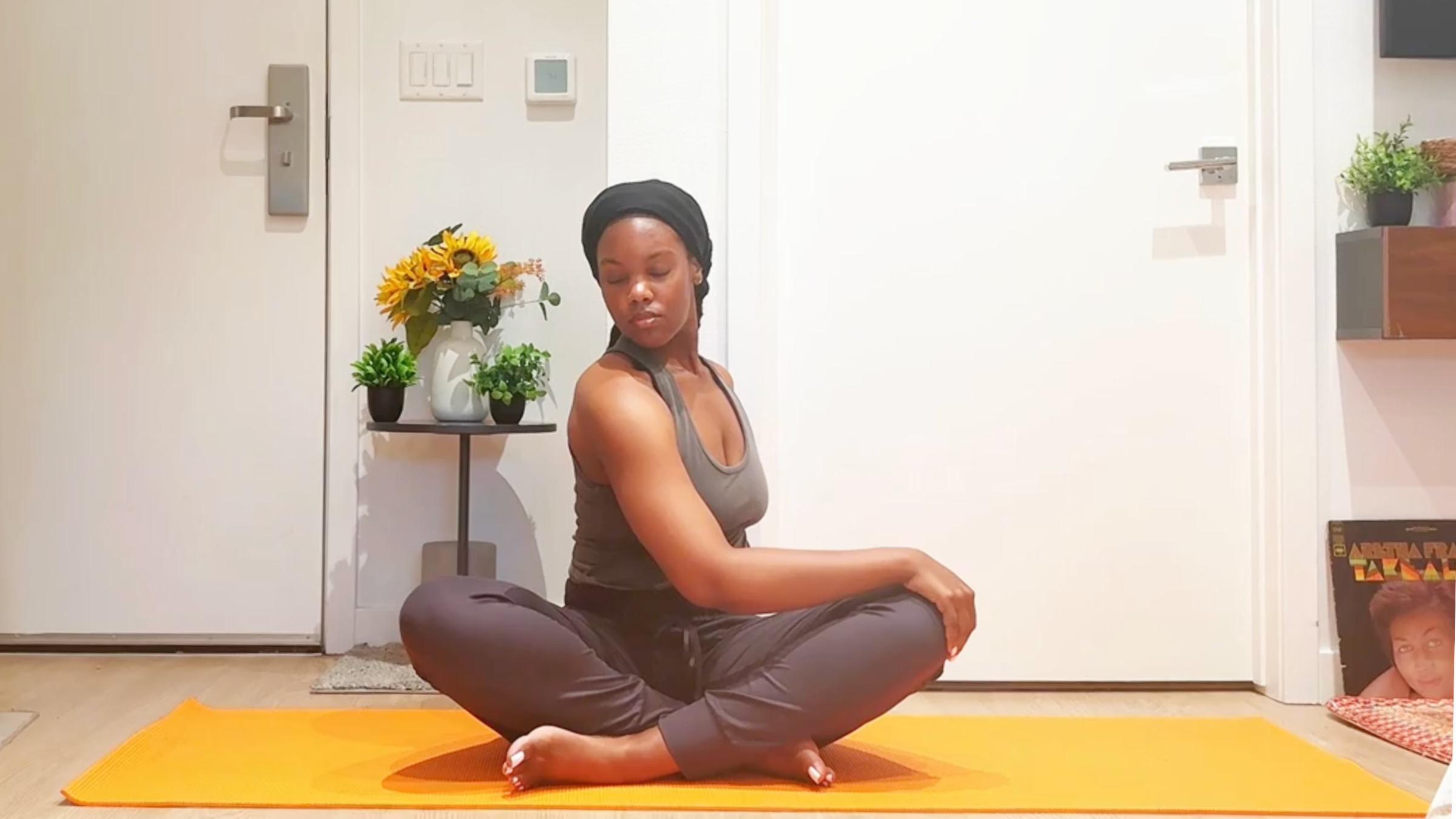
As a physician who has spent over a decade in clinical practice and medical journalism, I have observed a significant shift in the musculoskeletal complaints presented in modern clinics. From the bustling corridors of Berlin to offices worldwide, the rise of “tech neck”—a term describing the strain placed on the cervical spine by prolonged forward-leaning postures—has become a near-universal health concern. While acute discomfort often arises from poor sleep or ergonomics, the solution does not always require complex medical intervention. A consistent, five-minute seated yoga routine can serve as an effective, accessible tool for managing muscle tension and improving range of motion.
When we discuss neck pain, we are often addressing the complex interplay between the levator scapulae, upper trapezius, and the deep cervical flexors. According to the Mayo Clinic, neck pain is frequently linked to muscle strain, poor posture, and degenerative changes, though This proves rarely a symptom of a serious underlying condition. However, the prevalence of sedentary work environments has exacerbated these issues, making intentional movement breaks a necessity rather than a luxury for desk-bound professionals.
Understanding the Mechanics of Cervical Tension
The human head weighs approximately 10 to 12 pounds in a neutral position. As we tilt our heads forward to view smartphones or monitors, the effective force on the cervical spine increases significantly, sometimes reaching up to 60 pounds at a 60-degree angle. This mechanical stress, often explored in studies regarding cervical spine posture, leads to chronic fatigue of the neck musculature. When these muscles remain in a shortened or overstretched state for hours, they develop trigger points and inflammation, manifesting as stiffness or localized pain.
For those looking to mitigate this, seated yoga offers a low-impact solution that can be performed in almost any environment without specialized equipment. The objective is not to “stretch until it hurts,” but to gently guide the muscles through a full range of motion. By focusing on thoracic mobility and cervical alignment, People can counteract the “slump” that characterizes much of our daily physical activity.
A Targeted 5-Minute Seated Routine
To begin, ensure your chair is stable and your feet are planted firmly on the floor. Proper alignment starts with the pelvis; sitting at the edge of your chair can help maintain the natural lumbar curve. The following movements are designed to be performed with deliberate, gradual breathing, which helps downregulate the nervous system and encourages muscle relaxation.

- Neck Tilts: Slowly drop your right ear toward your right shoulder. Keep your shoulders relaxed and down. Hold for five deep breaths, then switch sides. This targets the upper trapezius.
- Chin Tucks: While keeping your gaze forward, draw your chin straight back as if creating a “double chin.” This engages the deep neck flexors, which are often weak in those with forward-head posture.
- Seated Cat-Cow: Place your hands on your knees. As you inhale, lift your chest and gaze upward (cow). As you exhale, round your spine and drop your chin to your chest (cat). This promotes thoracic spine mobility, which directly impacts cervical tension.
- Neck Rotations: Gently turn your head to look over your right shoulder, hold for three breaths, then repeat on the left. Avoid forcing the movement; let the breath guide the depth.
if you experience radiating pain, numbness, or tingling in your arms, these are indicators of potential nerve involvement and warrant a professional evaluation by a primary care physician or a physical therapist. The National Health Service (NHS) emphasizes that while most neck pain resolves with movement and time, persistent symptoms should always be assessed to rule out disc-related issues or cervical radiculopathy.
Integrating Movement into the Workday
The efficacy of these stretches relies on consistency rather than intensity. Setting a recurring timer for every 60 to 90 minutes can serve as a vital cue to recalibrate your posture. In my clinical experience, patients who integrate “micro-breaks” into their workflow report significantly lower levels of end-of-day fatigue. This is supported by principles of occupational health, which advocate for frequent, brief changes in posture to prevent musculoskeletal disorders.
Beyond the physical benefits, these five minutes of movement provide a cognitive reset. Chronic pain is often amplified by stress; by focusing on the breath and the physical sensations of the stretch, you are also engaging in a form of mindfulness. This dual approach—addressing the physical structure and the psychological response to stress—is the cornerstone of holistic health management.
When to Consult a Professional
While yoga is a powerful preventative and management tool, it is not a cure-all for every cervical condition. If your neck pain follows a recent trauma, such as a fall or a vehicular accident, or if it is accompanied by fever, unexplained weight loss, or severe headaches, you must seek medical advice immediately. These can be “red flag” symptoms that require diagnostic imaging or specialized neurological assessment.
According to current guidance from the National Institute of Arthritis and Musculoskeletal and Skin Diseases, early intervention for neck pain typically involves conservative measures, including physical therapy, heat or cold application, and lifestyle modifications. Yoga fits perfectly within this conservative framework, provided it is practiced with an awareness of your body’s limitations.
As we continue to navigate a digital-first world, our health depends on our ability to adapt our habits to our environment. I encourage you to view these five minutes as a non-negotiable appointment with your own well-being. By prioritizing the health of your cervical spine today, you are investing in your mobility and comfort for the years to come.
Are you currently incorporating movement breaks into your daily routine? I welcome your questions and experiences in the comments section below. For those seeking further guidance on ergonomic optimization, I recommend reviewing the latest updates from your local health authority or consulting with an occupational health specialist. Stay informed, stay active, and prioritize your health.
Keep reading