
Maintaining balance after age 60 is essential for preserving independence and preventing fall-related injuries. While many people turn to yoga for flexibility, functional balance exercises—which mimic the movements required for daily tasks like walking, climbing stairs, and recovering from a stumble—can be more effective for maintaining mobility in later life.
Heike Yates, a 65-year-old Midlife Fitness Expert, ACE Certified Personal Trainer, Pilates Coach, Author, and Host of the Pursue Your Spark Podcast, who has been in the fitness industry for more than 40 years, emphasizes that dynamic balance training is vital for the nervous system. By incorporating a short, daily routine, older adults can improve communication between the brain, inner ear, and muscles, helping to mitigate the stiffness often experienced upon waking. These movements specifically challenge weight shifting, coordination, and reaction time, which are key factors in reducing the risk of falls.
Understanding Functional Balance
Unlike static yoga poses, which are often held in place, functional balance exercises focus on the body’s ability to remain stable during movement. As individuals age, natural muscle mass loss can affect postural control. Engaging in specific, daily movements helps activate the core and abdominal muscles, providing the stability necessary for routine errands and household tasks.
The following five exercises are designed to wake up the nervous system and build the foundational strength needed for confident, independent movement.
1. Sit-to-Stand
This move is a functional staple because it mirrors the act of getting in and out of a chair, a movement essential for maintaining daily independence. To perform this, start by sitting at the edge of a sturdy chair with your feet positioned directly under your knees. Lean forward slightly and stand up without relying on your hands or knees for support. Use a slow, controlled motion to sit back down.
2. Single-Leg Stand
Standing on one leg directly translates to the balance required for walking, dressing, and climbing stairs. Stand on a flat surface with your feet hip-width apart. Shift your weight onto one foot and lift the other off the ground. Keep your core engaged, shoulders stacked over your ribs, and hips level. The time begins once your leg comes off the floor and stops when your foot touches the ground. Repeat on the other side.
3. Heel-to-Toe Walk
This exercise challenges your balance while in motion, which is crucial for improving gait and coordination. Begin by standing tall, then walk in a straight line by placing one foot directly in front of the other, touching your heel to your toe with each step.
4. Standing March
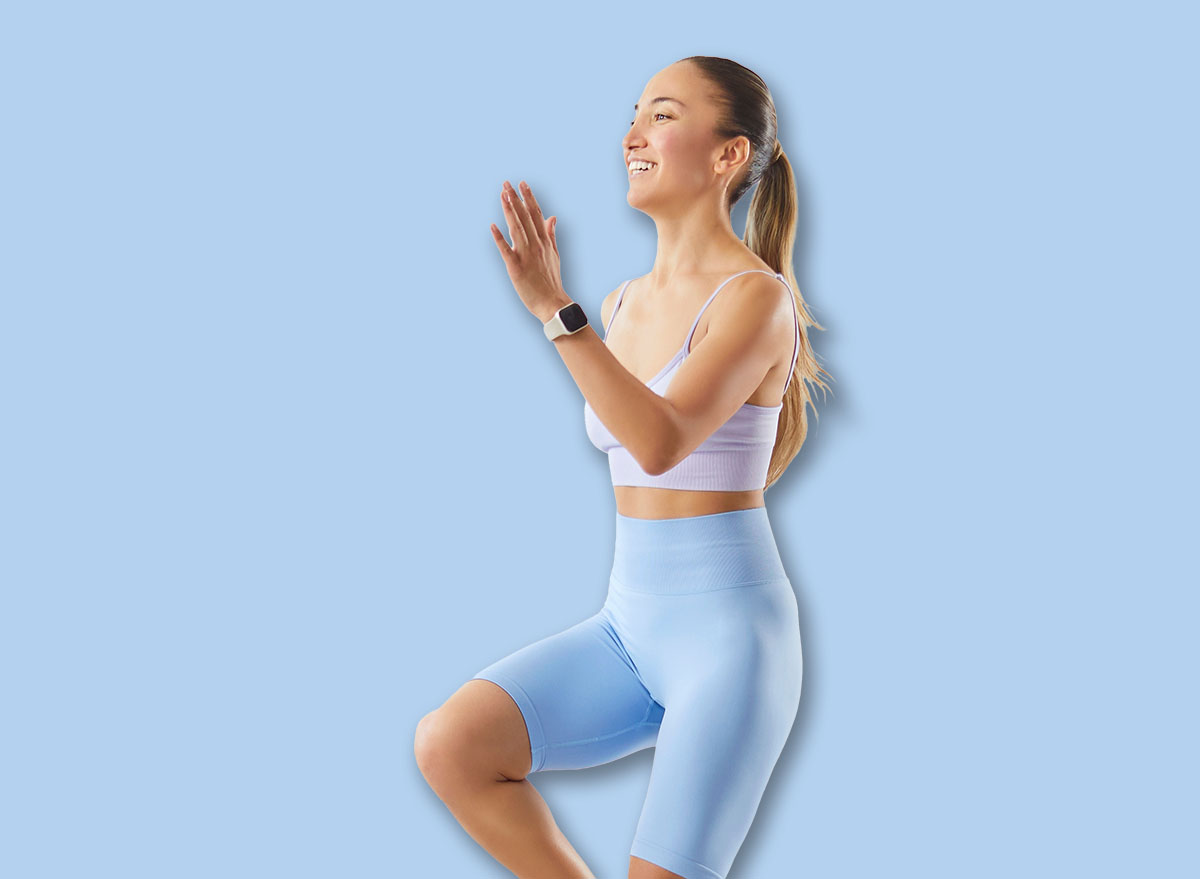
Marching in place is an effective way to strengthen the hips and core while practicing the weight-shifting necessary for safe walking. With your feet shoulder-width apart and knees soft, keep your spine long and cross your arms high in a “genie” position. Lift one knee toward your chest, lower it, and then repeat with the other leg.
5. Clock Reach
This movement trains the body to react to changes in direction, improving overall stability from multiple angles. While standing on one leg with the standing knee slightly bent, imagine you are the center of a clock face. Reach your lifted foot toward 12 o’clock, 3 o’clock, 6 o’clock, and 9 o’clock, returning to the center after each reach. Repeat the process on the opposite leg.
Prioritizing Stability for Long-Term Health
The primary goal of these exercises is to enhance the body’s ability to maintain equilibrium during everyday activities. Consistent practice can help build the strength and confidence required to remain active regardless of age.