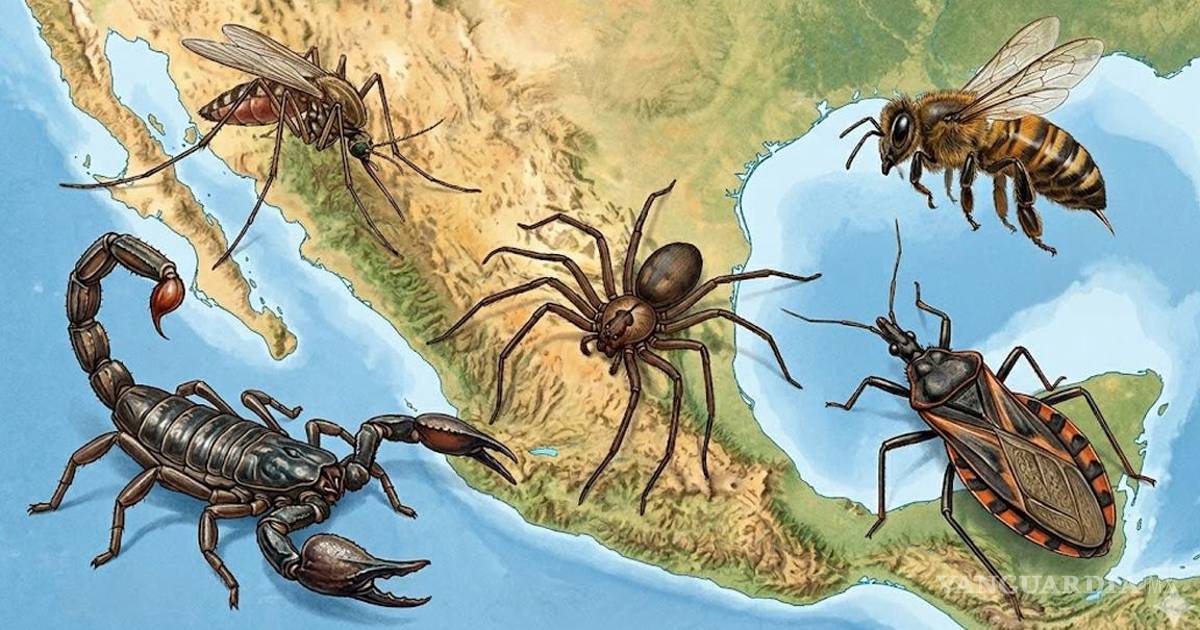
As the seasonal rains descend across much of Mexico, transforming the landscape from sun-scorched plains to lush, humid environments, a secondary biological shift occurs. While the moisture is vital for agriculture and local ecosystems, it also triggers a predictable surge in the populations of various insect species. For public health officials and residents alike, this transition marks the beginning of a heightened period of vigilance.
From a clinical perspective, the risk is not merely the presence of insects, but the specific biological roles they play as vectors for disease or as sources of potent venom. The combination of increased humidity, stagnant water accumulation, and rising temperatures creates an ideal breeding ground for species that can cause significant morbidity and, in some cases, mortality. Understanding the specific threats posed by these organisms is the first step in effective prevention and harm reduction.
In this report, we examine the primary biological threats identified during the rainy season in Mexico, focusing on the mechanisms of their impact on human health and the evidence-based strategies required to mitigate these risks.
The Mosquito: A Vector for Viral Pathogens
Perhaps the most significant public health concern during the rainy season is the proliferation of the Aedes aegypti mosquito. Unlike many other insects that pose a direct physical threat through stings, the danger of the mosquito is its role as a highly efficient biological vector. As rainfall increases, the likelihood of finding small, stagnant water reservoirs—such as discarded containers, clogged gutters, or even small depressions in the soil—rises exponentially. These sites serve as the primary breeding grounds for mosquito larvae.
The Aedes aegypti species is primarily responsible for transmitting several debilitating viral infections that are endemic to tropical and subtropical regions, including Mexico. These include:
- Dengue Fever: A viral infection that can range from mild flu-like symptoms to severe Dengue Hemorrhagic Fever, which can lead to internal bleeding and organ failure.
- Zika Virus: Noted for its potential to cause neurological complications, including Guillain-Barré syndrome, and its well-documented link to congenital Zika syndrome in newborns.
- Chikungunya: Characterized by sudden onset of fever and severe, often debilitating joint pain that can persist for months.
Medical professionals emphasize that prevention must focus on “source reduction.” This involves the systematic removal of standing water to disrupt the mosquito lifecycle. Because Aedes aegypti is a daytime biter, personal protection such as the use of repellents containing DEET or Picaridin is essential even during daylight hours. The use of physical barriers, such as window screens and insecticide-treated bed nets, remains a cornerstone of community-level protection.
Arachnid Risks: Scorpions and the Violin Spider
While mosquitoes represent a widespread viral threat, certain arachnids present a more immediate, acute danger through their neurotoxic and dermonecrotic venoms. In Mexico, two specific groups warrant particular attention during the wetter, more humid months.
Scorpions (Centruroides species)
Scorpions, particularly those in the Centruroides genus, are frequently reported during the rainy season. As their natural habitats become flooded, these creatures often seek refuge in human dwellings, frequently hiding in dark, cool areas such as shoes, clothing, or under furniture. The venom of these scorpions is neurotoxic, meaning it attacks the nervous system. Symptoms of a significant sting can include intense localized pain, muscle twitching, rapid heart rate, and in severe cases, respiratory distress or neurological impairment.
The Violin Spider (Loxosceles)
The violin spider, or recluse spider (Loxosceles), presents a different clinical challenge. These spiders are known for their “dermonecrotic” venom. Unlike the immediate pain of a scorpion sting, a bite from a violin spider may initially appear innocuous, only to develop into a significant skin lesion over several hours or days. The venom causes tissue death (necrosis) around the bite site, which can lead to deep, slow-healing ulcers and, in rare systemic cases, hemolysis (the destruction of red blood cells).
To mitigate these risks, health experts recommend “environmental hygiene”: keeping homes free of clutter where spiders might hide, sealing cracks in walls, and ensuring that footwear and clothing are inspected before use, especially if they have been stored in damp or dark areas.
The Kissing Bug and the Threat of Chagas Disease
A more insidious threat often overlooked in the immediate chaos of seasonal insect surges is the “kissing bug,” a member of the Triatominae subfamily. These insects are known for their habit of biting humans, often on the face near the mouth or eyes, while they sleep—hence the name. While the bite itself may be minor, the biological risk is profound.

Kissing bugs are the primary vectors for Trypanosoma cruzi, the protozoan parasite that causes Chagas disease. The transmission typically occurs when the insect defecates near the bite site. the person then inadvertently rubs the parasite-laden feces into the wound or into mucous membranes like the eyes. Chagas disease is particularly dangerous due to its chronic nature. While the acute phase may pass with minimal symptoms, the chronic phase can lead to severe, life-threatening complications, including:
- Cardiomyopathy: Enlargement and weakening of the heart muscle, leading to heart failure.
- Digestive Issues: Damage to the nerves of the digestive tract, causing conditions like megaesophagus or megacolon.
Effective management of kissing bugs involves improving housing structures to eliminate crevices where they may reside and implementing strict pest control measures in rural and peri-urban areas where these insects are most prevalent.
Clinical Guidance: When to Seek Medical Attention
For individuals residing in or traveling through areas affected by these seasonal surges, recognizing the transition from a localized reaction to a systemic medical emergency is critical. Early intervention is often the deciding factor in clinical outcomes.
Seek immediate medical evaluation if you experience:
- High fever accompanied by severe headache or joint pain: This may indicate a mosquito-borne viral infection like Dengue.
- Difficulty breathing or rapid, irregular heartbeat: This can be a sign of severe scorpion envenomation or advanced Chagas complications.
- A spreading, dark, or necrotic skin lesion: This requires urgent assessment for potential Loxosceles envenomation.
- Severe abdominal pain or swelling: This may indicate complications from Chagas or severe gastrointestinal distress related to other infections.
Note: In the event of a suspected venomous bite or sting, avoid attempting to “suck out” the venom or applying makeshift tourniquets, as these can exacerbate tissue damage. Keep the affected limb immobilized and seek professional medical care immediately.
Summary of Key Prevention Strategies
| Threat Type | Primary Target | Key Prevention Method |
|---|---|---|
| Viral Vectors (Mosquitoes) | Dengue, Zika, Chikungunya | Eliminate standing water; use DEET/Picaridin. |
| Neurotoxic (Scorpions) | Nervous system disruption | Inspect shoes/clothing; seal home crevices. |
| Necrotic (Violin Spiders) | Skin/tissue damage | Reduce household clutter; maintain dry environments. |
| Parasitic (Kissing Bugs) | Chagas Disease | Improve housing integrity; use bed nets. |
As we move further into the rainy season, local health authorities in various Mexican states are expected to release updated epidemiological reports and localized advisories. Residents are encouraged to monitor official communications from their municipal or state health departments for specific regional risk assessments.
For more updates on global public health trends and infectious disease management, subscribe to our newsletter and share this guide with your community.
Related reading